Technical Roadmap & Future Outlook
The global power infrastructure is undergoing a seismic shift toward digitalization and resilience. As VLF (Very Low Frequency) High-Voltage Generator technology matures, China’s leading factories are pivoting from simple testing equipment to integrated diagnostic ecosystems. Traditional DC testing of high-voltage cables, particularly XLPE-insulated types, has proven detrimental due to the accumulation of space charges that can cause premature insulation failure. The transition to 0.1Hz VLF technology represents a critical milestone in preventative maintenance.
Looking toward 2030, the technical roadmap for China VLF High-Voltage Generator exporters includes the integration of Partial Discharge (PD) mapping and AI-driven predictive analytics. This allow utilities to not only "pass/fail" a cable but to locate precise degradation points within a subterranean network, saving billions in emergency repair costs.

Transitioning from mechanical switching to high-speed IGBT modules for cleaner wave output.

Cloud-based data logging and remote monitoring for real-time compliance reporting.

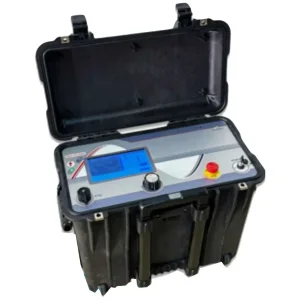
Lightweight, man-portable units designed for rugged field conditions in offshore wind farms.
 Bangzhao Electric: Core Authority & E-E-A-T
Established in 2008, Bangzhao Electric Co., Ltd has consolidated its position as a Tier-1 manufacturer in the power electronics sector. With a robust team comprising the domestic top 100 engineers, we specialize in high-voltage VLF generators, PCS bi-directional energy storage, and marine inverters.
Our commitment to R&D is evidenced by our investment strategy: more than 20% of annual sales is reinvested into technological innovation. This rigorous approach has secured numerous patents and international certifications, making us a preferred partner for Fortune 500 energy firms.
VLF testing for medium-voltage collector cables in solar and wind farms. Ensuring zero-downtime during peak generation periods.
Specialized VLF generators for submarine cable withstand tests, complying with CCS and international maritime standards.
Diagnostic tools for underground urban networks, supporting the transition to automated load balancing and high-reliability grids.
The advantage of a China VLF High-Voltage Generator factory lies not just in cost, but in "Supply Chain Density." At Bangzhao Electric, our production facility utilizes a vertically integrated model where critical components—from high-voltage transformers to digital control boards—are developed in-house. This reduces lead times by 40% compared to European competitors.
Every unit undergoes a 72-hour high-load burn-in test before shipment.
Strategically maintained stockpiles of high-grade copper and semiconductors ensure stability during global shortages.
OEM/ODM support for specific voltage ranges (30kV to 120kV) tailored to regional grid specs.
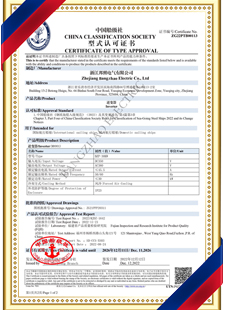
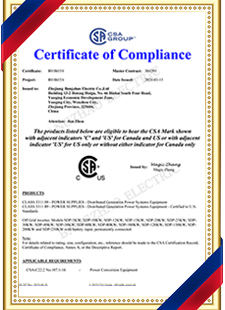
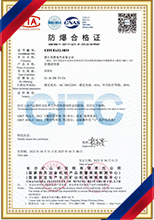
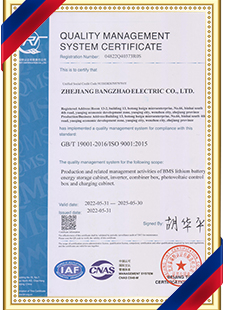
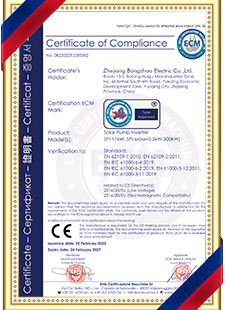
Navigating international standards like IEEE 400.2 and IEC 60060 is non-negotiable for global exporters. Bangzhao VLF generators are designed with multi-language interfaces and regional voltage compatibility (110V/220V/380V).
Our localized support includes:
Large enterprises seek more than just hardware. They require Interoperability. Our systems export testing data in standard formats (CSV/PDF) compatible with major Asset Management Systems (AMS).
DC testing creates space charges that can damage the cable insulation permanently. VLF (0.1Hz) provides the stress of an AC test without the massive power requirements, ensuring a safe and effective diagnostic without damaging the cable's structure.
This depends on the load capacitance. Our high-power units can test cables up to 20-30 kilometers in length, depending on the specific capacitance per kilometer of the DUT (Device Under Test).
Yes, our flagship VLF series integrates high-precision Tan Delta bridges and Partial Discharge diagnostic modules to provide a full "health check" of the insulation system.
Standard units are available in 2-4 weeks. Highly customized voltage or power configurations typically require 6-8 weeks, including full stress testing.
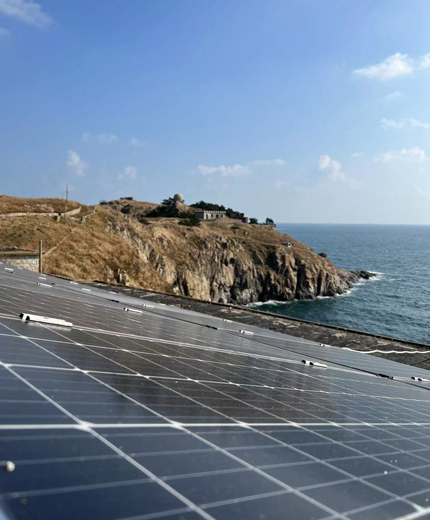
Standalone PV systems for remote islands, ensuring power stability in extreme salt-mist environments.
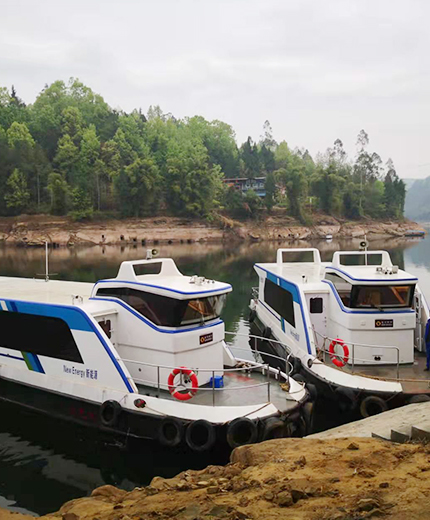
CCS-approved lithium-ion storage for navigation and communication facilities on commercial vessels.
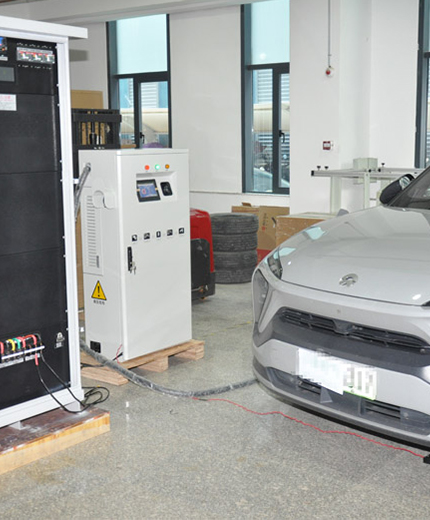
High-voltage charging piles integrated with solar storage for low-carbon transport hubs.
 Bangzhao Electric
 Featured Power Solutions