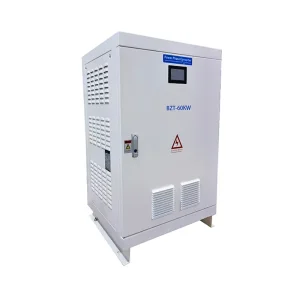
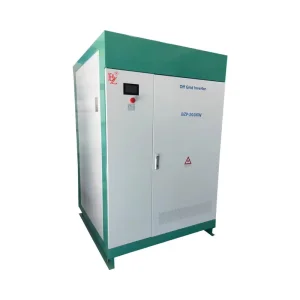
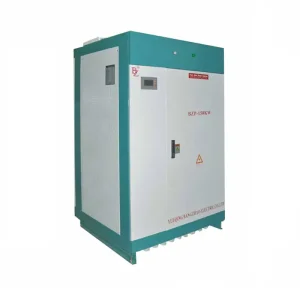
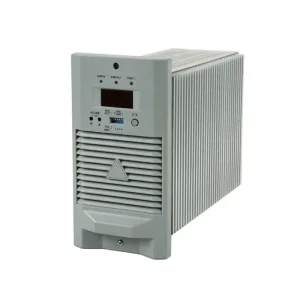
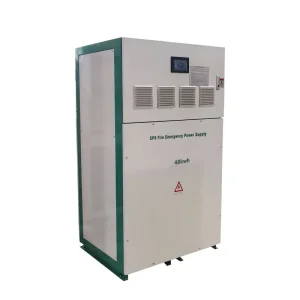
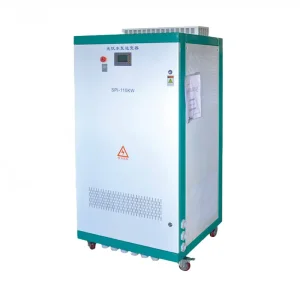
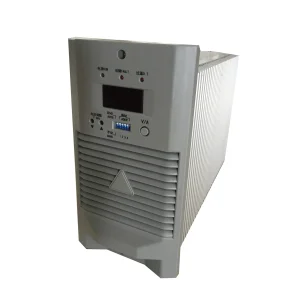
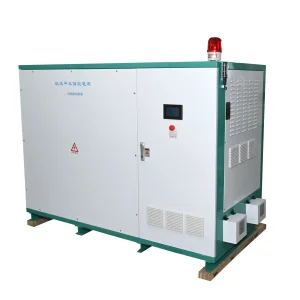
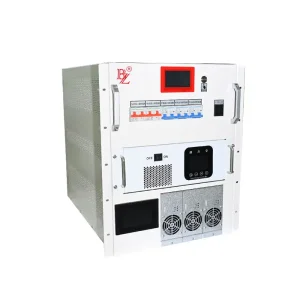
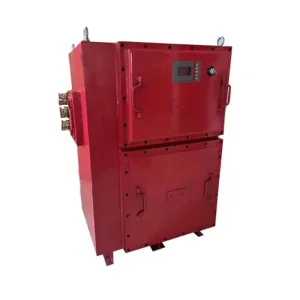
In the evolving landscape of global renewable energy, the choice of inverter technology serves as the backbone of system reliability. Unlike high-frequency alternatives that prioritize compactness, Low Frequency (LF) solar inverters represent the pinnacle of robustness. By utilizing massive copper-wound isolation transformers, these units are specifically engineered to handle high-surge industrial loads, motor startups, and harsh environmental conditions.
As a leading China Low Frequency Solar Inverter Factory, our manufacturing philosophy centers on "Information Gain"—we provide more than just power; we provide longevity. Our systems are the preferred choice for off-grid electrification, marine propulsion systems, and critical industrial infrastructure where system downtime is not an option.
As global grids face instability, LF inverters are trending as the preferred solution for robust microgrids, providing better galvanic isolation and surge protection.
Technological advancement is pushing towards hybrid systems. We are integrating PCS (Power Conversion Systems) that seamlessly bridge solar, wind, and battery storage.
Modernization includes RS485 and remote monitoring capabilities, allowing facility managers to oversee performance in real-time, regardless of the site's remoteness.
1. Remote Island Electrification: Our LF inverters are designed to withstand high humidity and salt spray, providing stable AC power for island communities relying on solar panels and batteries.
2. Oil & Gas Extraction: Solar-powered oil pump systems require high starting torque. Our LF inverters manage the inductive load spikes of pump motors, replacing diesel generators and reducing carbon footprints.
3. Heavy Industrial Automation: In factories with motor-heavy loads, the robust nature of our isolation-type inverters ensures consistent voltage, preventing tripping and protecting sensitive control equipment.
Q: Why choose a Low Frequency Inverter over a High Frequency one?
A: LF inverters offer superior peak power capabilities and galvanic isolation. If your load includes motors, pumps, or compressors, the LF architecture is vastly more reliable and durable.
Q: How do you ensure product quality at scale?
A: We invest over 20% of annual sales into R&D. Every unit undergoes rigorous stress testing at our facility, ensuring compatibility with global voltage standards and environmental compliance.
Q: Can you customize systems for specific project requirements?
A: Yes. We specialize in custom power electronics. From input/output voltage configuration to enclosure IP ratings (IP54/IP65), we engineer solutions tailored to your unique site specifications.
 Bangzhao Electric