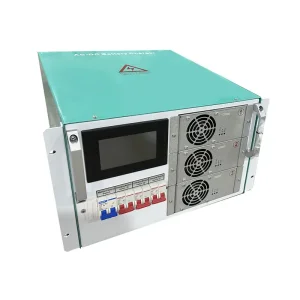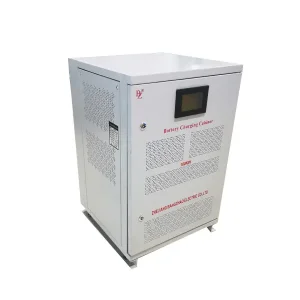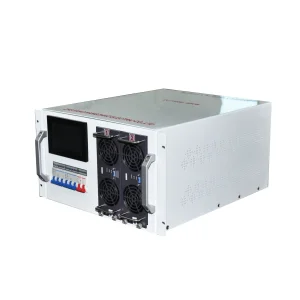
Custom EPS Fire Emergency Power Supply Factories, Exporter

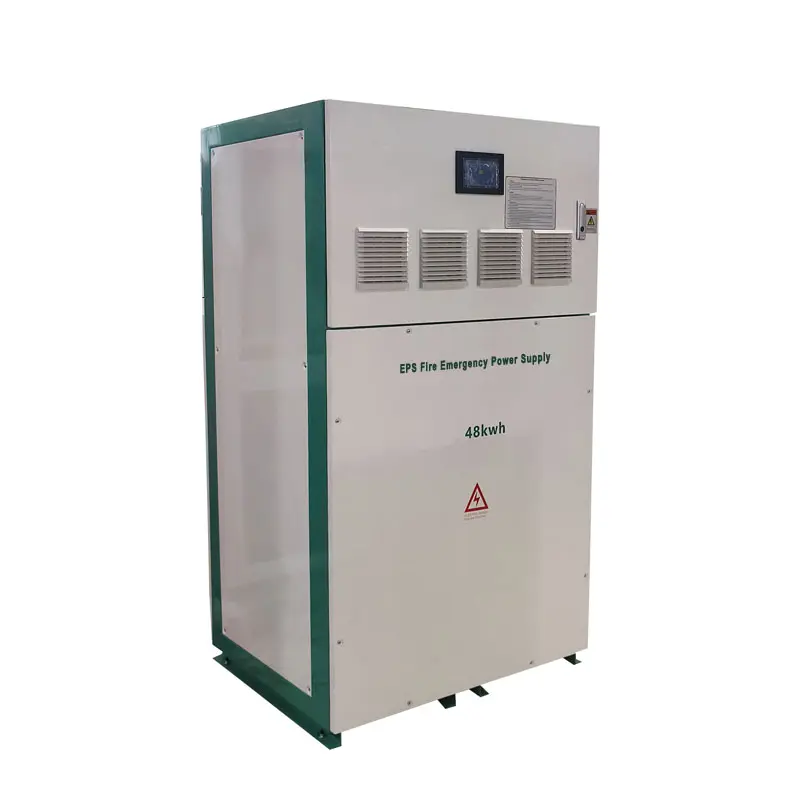
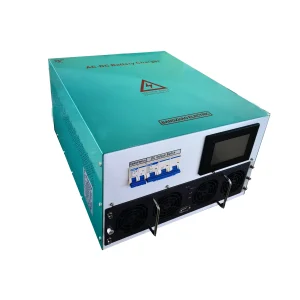
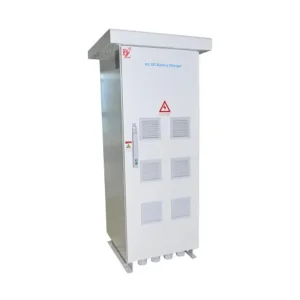
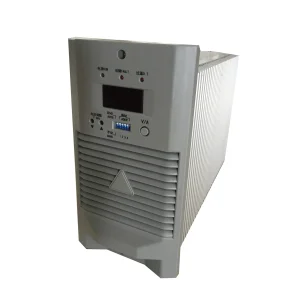
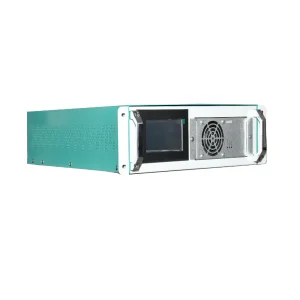
The EPS (Emergency Power Supply) fire emergency power supply is a centralized emergency power source specifically designed for fire protection. Its primary function is to rapidly provide stable and reliable electrical support to fire protection facilities—such as emergency lighting, fire pumps, fire elevators, and fire alarm systems—during mains power failures or interruptions, ensuring uninterrupted power supply to safeguard lives and property.

Product Description

EPS fire emergency power supplies can be categorized into the following three types based on their application:

Emergency Lighting Type

Primarily used to provide centralized power supply for emergency lighting fixtures during building fires or emergencies.

Hybrid Type

Capable of supporting both emergency lighting and mixed loads such as fire pumps and fire elevators.

Power Inverter Type

Specifically designed for power loads like electric motors, providing a variable-frequency three-phase emergency power system that supports soft motor starts.

Technical Features

1 High Reliability: Incorporates redundant design with forced start, overload operation, and segmented battery management to ensure continuous power supply.
2 Rapid Switchover: Switching time between utility power and emergency power typically under 5 seconds (millisecond-level for select models).
3 Intelligent Management: Equipped with smart monitoring and alarm functions to track real-time power status and battery health.
4 High Adaptability: Capable of handling capacitive, inductive, and mixed loads with robust overload capacity and surge resistance.

Application Scenarios

EPS fire emergency power supplies are widely deployed in the following scenarios:

Building Fire Protection
Power support for emergency lighting, fire pumps, elevators, and alarm systems.
Medical Facilities
Critical emergency power for operating rooms and intensive care units.
Public Infrastructure
Backup power for road lighting, tunnel illumination, and mining operations.
Industrial Production
Standby power for high-demand equipment in chemical and metallurgical industries.

Technical Specifications

Rated Capacity 16kwh ~ 800kwh
AC Input Phase 3 phase 4 wire + PE
Voltage 380V ± 15%
Frequency 50Hz ± 5%
Emergency Output Voltage 380V ± 3%
Frequency 50/60Hz ± 0.5Hz
Wave Form Pure Sine Wave
THD <5% (0-100% Under linear load)
Inverter Efficiency >92%
Overload Capacity 120% 35s
Battery Type Lifepo4
Voltage 153 ~ 614VDC
Standby Time 1 ~ 24H (Customizable configuration)
Charging Time 1 ~ 24H (Customizable configuration)
Conversion Time <0.5s
Protection Emergency state overload, output open/short-circuit, battery under-voltage protection
Alert Under-voltage, connection failure, charger malfunction, sustained overload, inverter failure
Ambient Temperature -20°C ~ 55°C
Altitude <2000m
Noise <55dB (Emergency mode)

Frequently Asked Questions

Q: What are the main types of EPS fire emergency power supplies?
A: They are categorized into three types: Emergency Lighting Type for lighting fixtures, Hybrid Type for mixed loads like fire pumps, and Power Inverter Type for motor-driven equipment.
Q: How fast can the EPS system switch during a power failure?
A: The conversion time is exceptionally fast, typically under 0.5 seconds, ensuring instantaneous power supply for critical fire protection systems.
Q: What type of battery is used in these emergency systems?
A: These systems utilize high-performance LiFePO4 (Lithium Iron Phosphate) batteries, known for their safety, stability, and long life cycle.
Q: Can EPS power supplies handle complex industrial loads?
A: Yes, they are designed with high adaptability to handle capacitive, inductive, and mixed loads with robust overload and surge resistance.
Q: What safety protections are built into the EPS system?
A: The systems include overload protection, output short-circuit protection, battery under-voltage protection, and comprehensive intelligent alarms for system failures.
Q: What is the typical standby time for these units?
A: The standby time can be configured between 1 to 24 hours based on specific building design requirements and safety regulations.

Related Products