 Bangzhao Electric
1. The Paradigm Shift in Off-Grid Power: The Mechanics of Diesel-Battery Hybridization
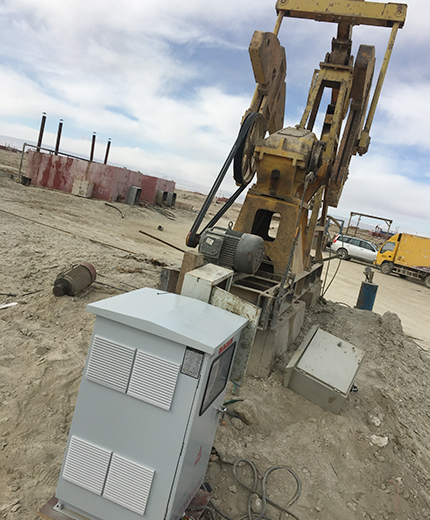
For decades, remote mines, island communities, maritime vessels, and distant construction zones have relied exclusively on diesel generator sets (gen-sets) for base-load and peak power. While diesel gen-sets offer quick start-up times and high energy density, they suffer from deep operating inefficiencies. Under low-load or highly dynamic load profiles, diesel engines run inefficiently, leading to high Specific Fuel Consumption (SFC), excessive soot/carbon emissions, and accelerated mechanical wear.
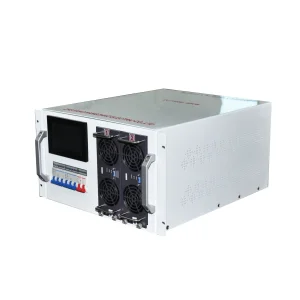
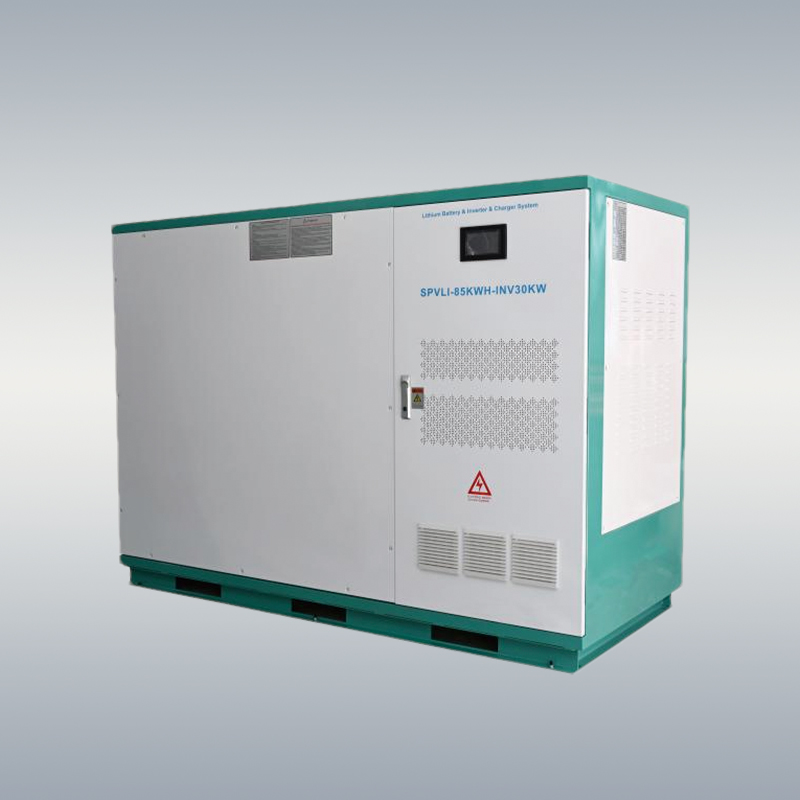
Diesel-Battery Hybrid Energy Storage Systems (BESS) resolve this challenge by decoupling power generation from immediate demand. In this configuration, the battery array acts as a dynamic cushion. When load requirements are low, excess generator capacity charges the battery at optimal engine efficiency. When loads spike beyond peak gen-set thresholds, the battery discharges instantaneously via high-power bidirectional PCS (Power Conversion Systems). This buffer allows the diesel engines to run consistently within their sweet spot (typically 75% to 85% load) or turn off entirely, reducing fuel burn and operating runtime dramatically.
SEO Insight & Technical Spec: Implementing a hybrid system with grid-forming bidirectional inverters delivers virtual inertia, allowing the generator sets to completely shut down during periods of low load, realizing up to 40% fuel savings and cutting maintenance intervals by up to 50%.
2. Key Architecture of Industrial Hybrid Topologies
A high-performance hybrid system combines several power electronic layers to ensure sub-millisecond response rates, voltage stabilization, and frequency control:
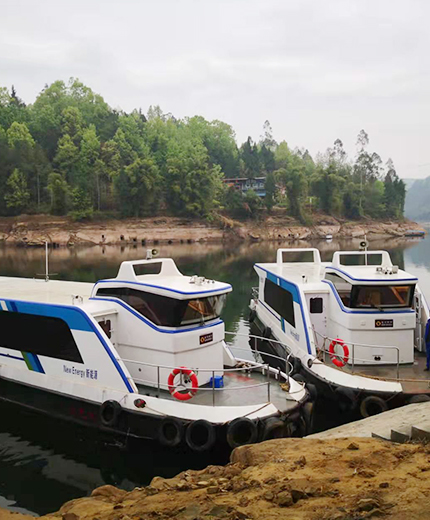
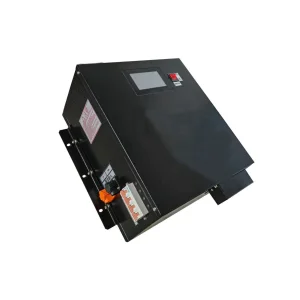
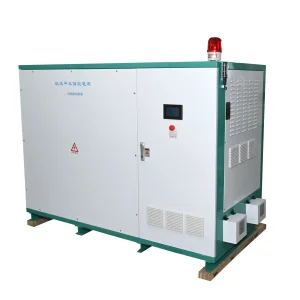
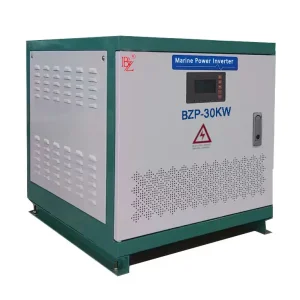
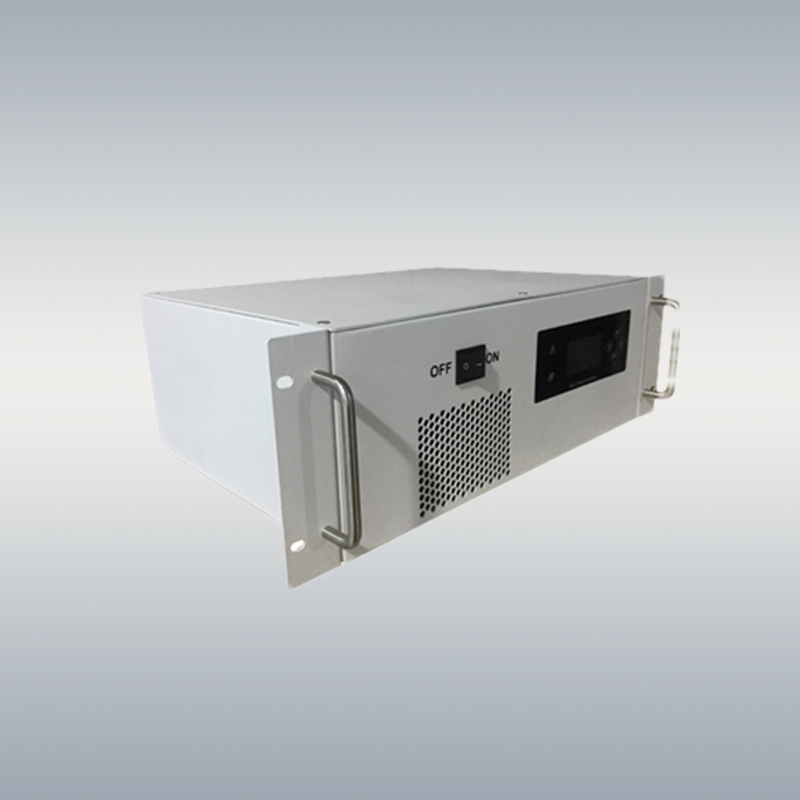
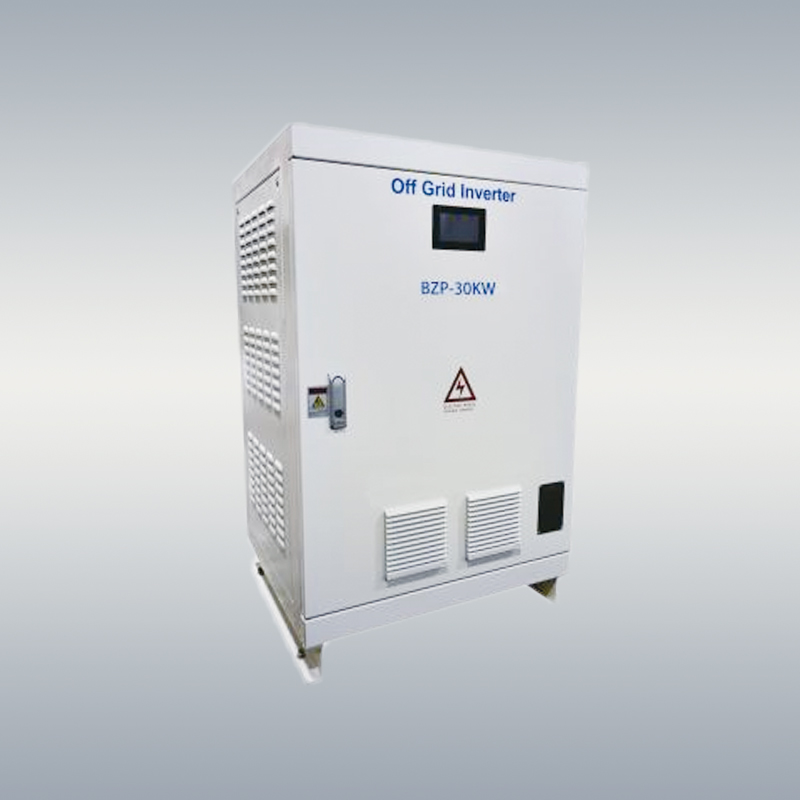
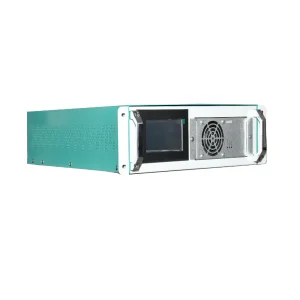
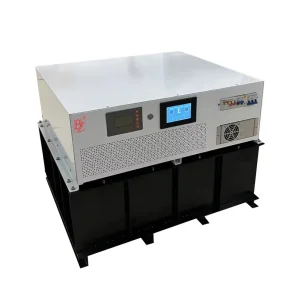
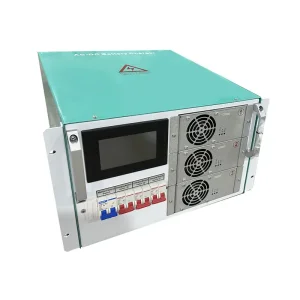
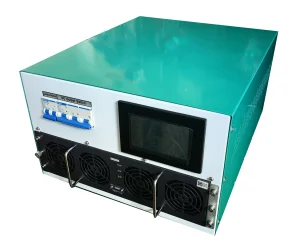
- Grid-Forming Bidirectional PCS: Acts as the nervous system of the BESS, establishing voltage and frequency grids. In marine environments, non-isolated marine inverters with high efficiency (exceeding 93%) manage shipboard loads.
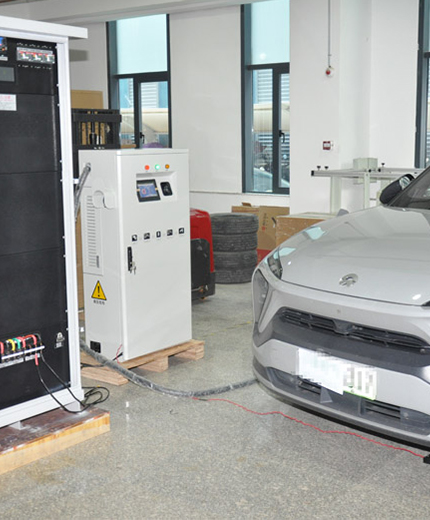
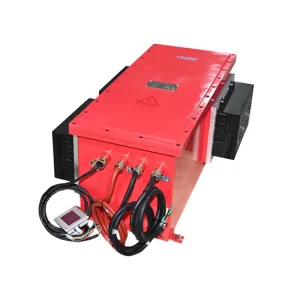
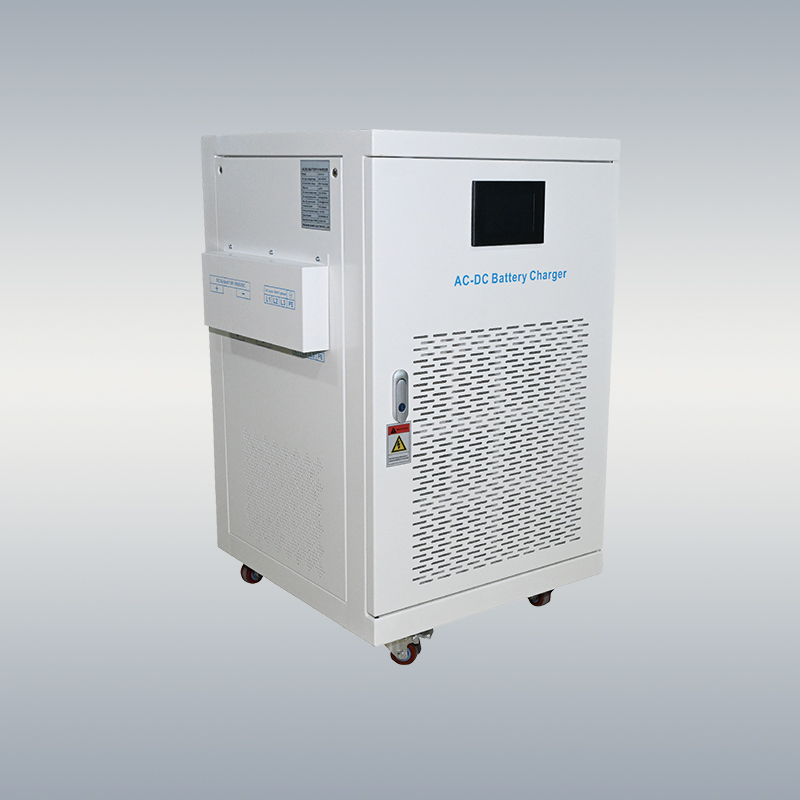
- DC-DC Converters & High-Voltage Battery Chargers: Systems utilize charger architectures spanning 50-750VDC to 650-1500VDC to handle modern high-voltage LFP (Lithium Iron Phosphate) chemistries efficiently.
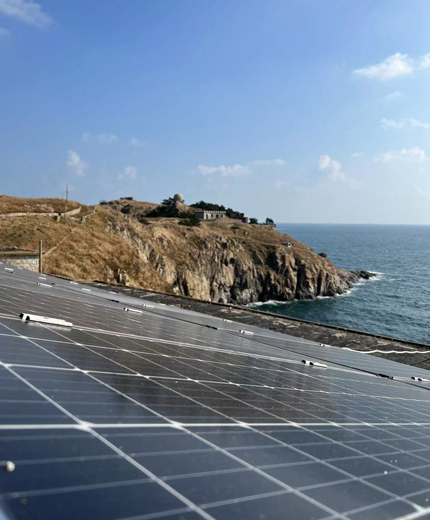
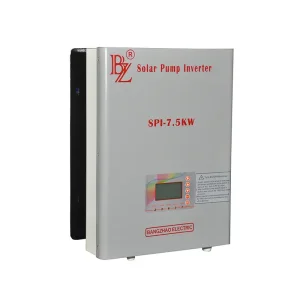
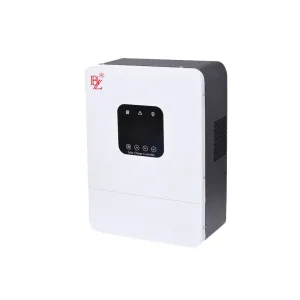
- PV/Wind Renewable Integrators: Deploying MPPT regulators (such as 500-800VDC high-voltage solar controllers) allows supplementary solar or wind inputs to directly offset generator load without secondary conversion stages.
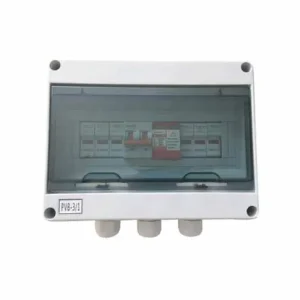
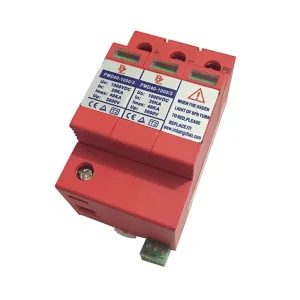
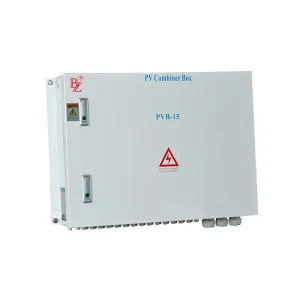
- Dynamic Surge Protection & Combiner Boxes: High-risk industrial grids require DC combiner boxes with high-capacity SPDs and 1000VDC-20KA surge protection to mitigate lightning or switching transients.
3. Key Drivers for Global EPCs and Energy Developers
Global procurement teams demand hybrid storage solutions that address multiple financial and technical challenges. Key purchasing criteria include:
- Levelized Cost of Storage (LCOS): Buyers prioritize systems that maximize cycle lifetime (usually >6000 cycles at 80% DOD) and minimize round-trip conversion losses.
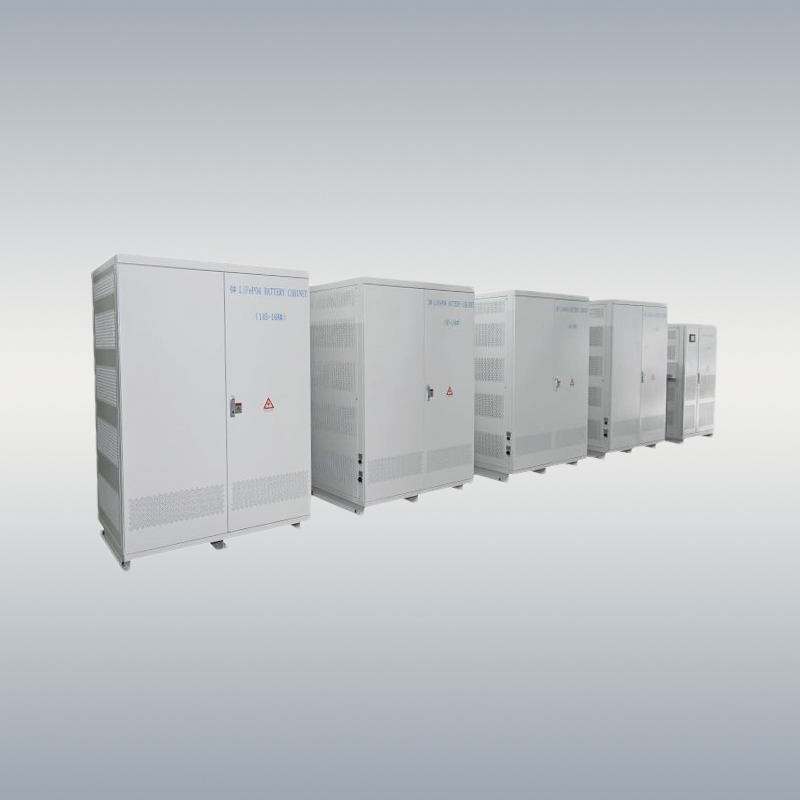
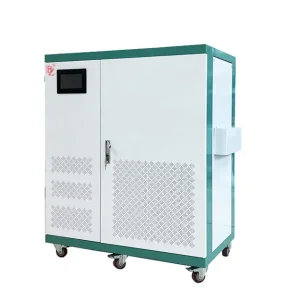
- Modularity and Rapid Deployment: Containerized (20ft/40ft) ISO designs that integrate cooling (liquid or forced-air), fire suppression (NFPA 2010 / Aerosol), and BMS inside a single enclosure.
- Microgrid Control System (EMS/PMS) Integration: The ability to seamlessly interface with PLC platforms using industrial Modbus TCP/IP or CANbus protocol layers for automated gen-set dispatch.
4. Emerging Global Industry Trends
The transition toward absolute zero emission targets is accelerating. Industrial systems are moving from standard lead-acid batteries to high-voltage LFP and sodium-ion technologies. Simultaneously, Grid-Forming Inverters are replacing older grid-following structures. This allows microgrids to operate stable grids without relying on rotating machinery for system strength, enabling 100% renewable penetration during high-generation periods.