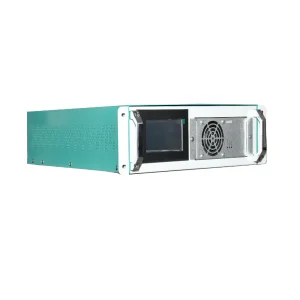
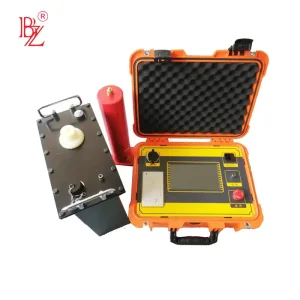
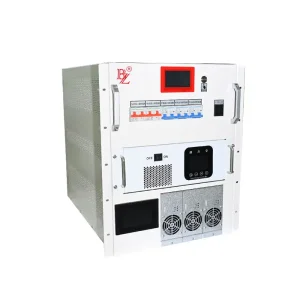
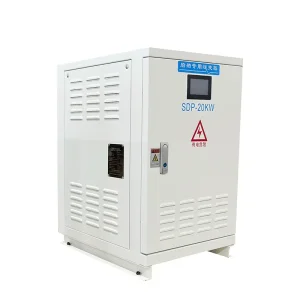
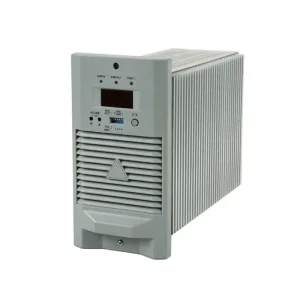
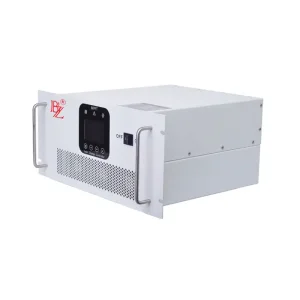
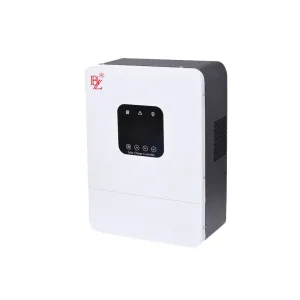
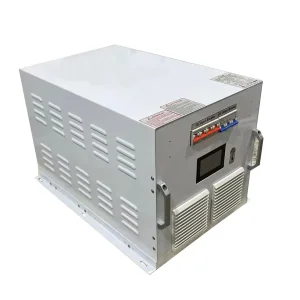
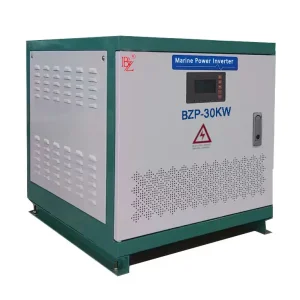
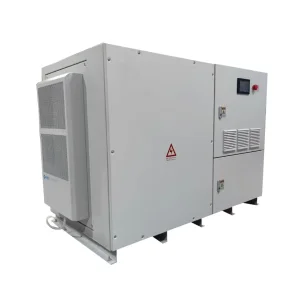
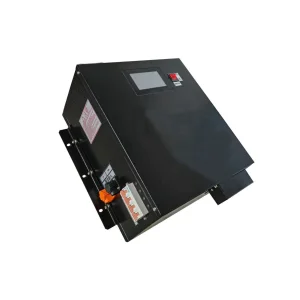
Explore our flagship high-performance industrial power converters, amplifiers, charge controllers, and battery charger architectures designed for mission-critical operations.
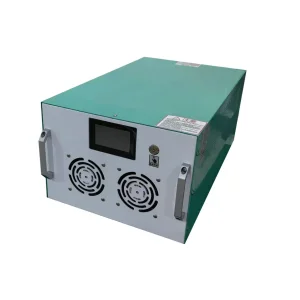
The global demand for high-efficiency AC-DC power supplies is undergoing a massive transformation. Rapid advancements in smart grid infrastructure, marine automation, electric vehicle charging stations, and industrial process control have elevated requirements beyond simple voltage regulation. Contemporary power conversion demands strict conformance to low electromagnetic interference (EMI), ultra-high dynamic load responses, wide operating temperature thresholds, and stringent safety standards.
Industrial frameworks rely heavily on switched-mode power supplies (SMPS) and heavy-duty AC-DC rectifiers to drive automated assembly lines, high-rate telecom centers, and specialized marine electronics. As clean energy integration speeds up, converters must successfully mitigate utility harmonics, preserve high power factors, and run with minimal thermal losses—demands that traditional linear power supplies can no longer satisfy.
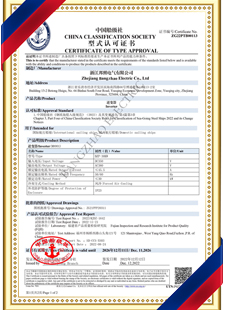
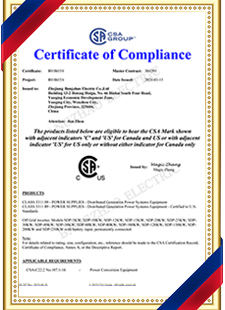
Supplying power conversion equipment internationally requires complying with complex regional certifications. In the European Union, CE marking and ErP directives dictate standby power limits. In North America, UL/cUL listings dictate structural isolation criteria. In maritime applications, components must conform to Classification Societies like the CCS (China Classification Society), ensuring resilience under extreme vibration, moisture, and salt mist corrosion environments.
Established in 2008, Bangzhao Electric Co., Ltd. stands as a pioneering force in custom power system engineering and global supply. Our high-performance products are designed by a specialized R&D team featuring top domestic power engineers. Over the past decade, we have formulated and delivered over 12 comprehensive power system solutions tailored for severe environmental challenges.
Regarding technology innovation as our core business driver, we reinvest more than 20% of our annual sales directly back into technical research, development, and state-of-the-art power laboratories. This heavy investment has successfully secured a broad portfolio of proprietary utility patents, safety qualifications, and global export credentials.
Our core manufacturing philosophy centers on "Integrity, Rigor, and Pragmatism." We understand that high-power inverters, phase converters, and industrial chargers represent the lifeblood of our customers' infrastructure. By designing for reliability, thermal equilibrium, and maximum efficiency, we ensure that every system leaving our factory is optimized for decades of uninterrupted service.
Whether configuring high-voltage MPPT regulators for off-grid solar farms, CCS-compliant converters for maritime hulls, or robust frequency conversion systems for complex industrial tools, we prioritize engineering depth. This dedication establishes us as a trusted OEM/ODM partner for tier-one global enterprises across 60+ countries.
Established Year
System Solutions
Industry Patents & Certs
Cooperating Countries
Evaluating upcoming paradigm shifts in high-power electronics, advanced semiconductor substrates, and microgrid digital interfaces.
The industry is rapidly transitioning from silicon-based power components to Silicon Carbide (SiC) and Gallium Nitride (GaN). These wide bandgap materials allow converters to operate at higher switching frequencies, substantially shrinking filter footprints, reducing cooling requirements, and achieving peak efficiency metrics above 98%.
Analog controllers are being phased out in favor of high-speed Digital Signal Processors (DSPs). DSP control allows for dynamic tuning of power factor correction (PFC), adaptive loop compensation, real-time diagnostic reporting via CANbus/Modbus protocols, and smart predictive failure algorithms.
Modern commercial frameworks demand that power systems do not merely consume energy but actively assist the local grid. Bidirectional PCS systems allow excess stored battery power to be fed back into the main utility grid, lowering operating costs and providing stability during peak-shaving operations.
Analyzing the performance of customized power conversion systems in remote locations, oil rigs, marine hulls, and smart energy hubs.
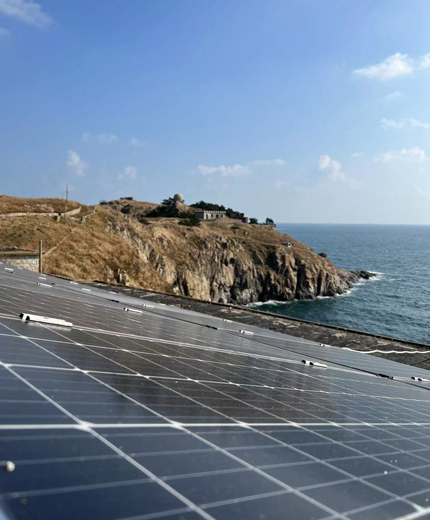
Deploying energy systems in remote environments requires extreme ruggedization. Our system integrates solar panels, industrial-frequency off-grid inverters, and battery storage to ensure energy self-sufficiency under high humidity and saline exposure, eliminating dependency on fossil fuels.
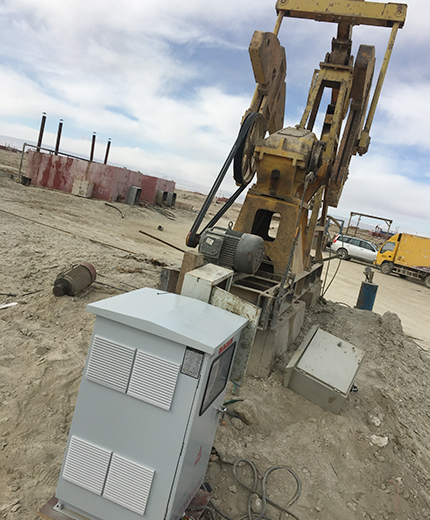
Operating deep oil pumps requires massive torque and high start-up currents. This green solar water pumping framework utilizes a heavy-duty industrial frequency isolation inverter to handle severe start-up loads, guaranteeing continuous operations in remote fields.
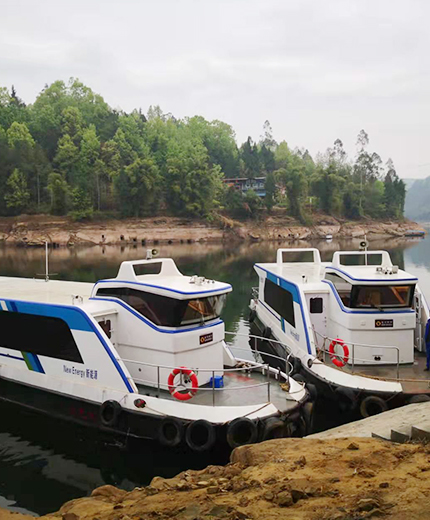
Designed strictly under CCS Classification guidelines. This installation supplies frequency and voltage stabilization to navigational computers and critical propulsion circuits, featuring high anti-interference topology and low harmonic distortion.
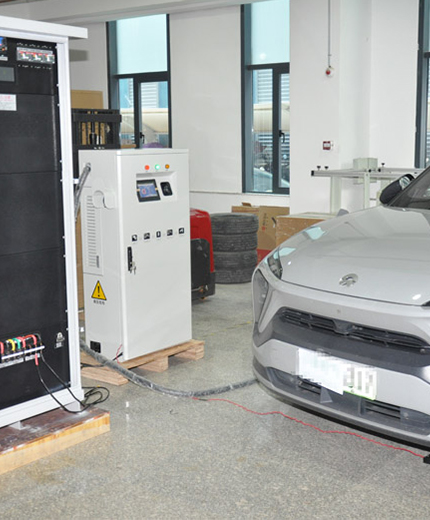
Bridging local solar/wind power feeds with EV charging requirements. This storage block acts as a grid stabilizer, utilizing intelligent bidirectionality to shave peak loads, capture renewable overflows, and protect the regional utility grid.
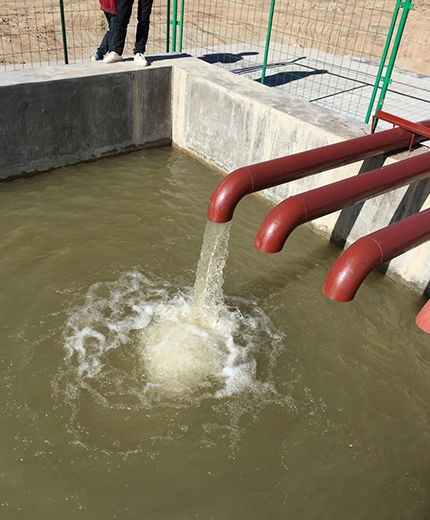
This zero-carbon implementation drives heavy three-phase AC pumps for agricultural irrigation. Complete with auto-start functions based on ambient solar irradiance levels and utility/solar dual-input capabilities for non-stop performance.
We configure solutions from 10kW to 1MW. Our engineering team customizes industrial phase converters, high-voltage battery charging banks, and outdoor cabinets for client specifications globally.
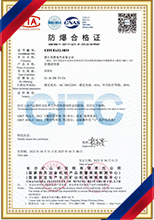
A look at our factory certifications, quality-assurance honors, and global manufacturing facilities.
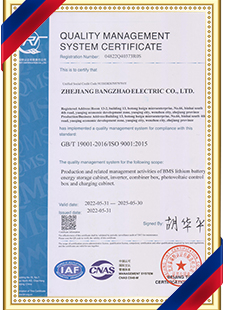
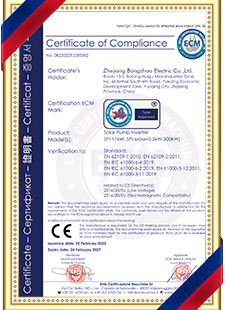
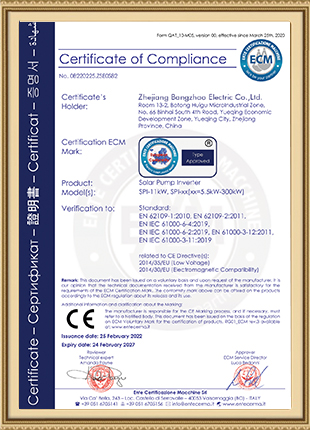
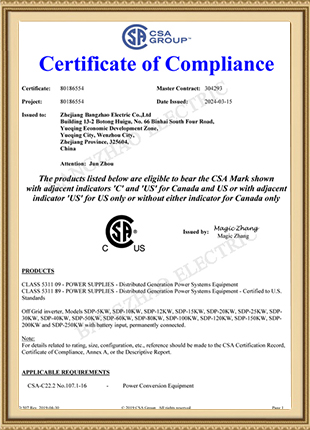
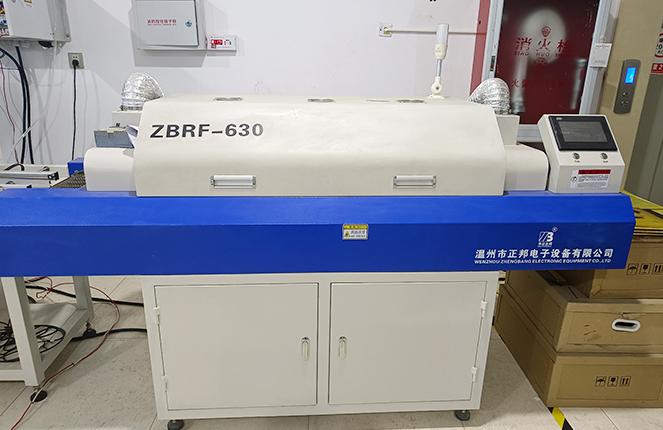
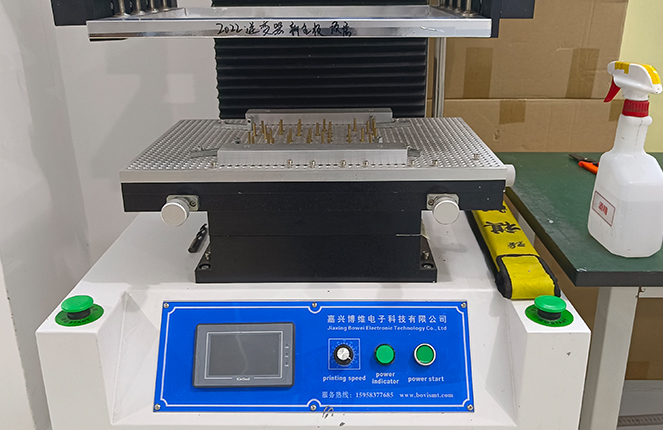
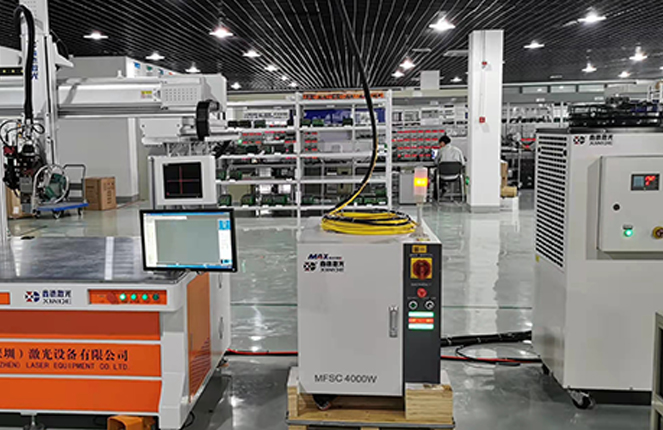
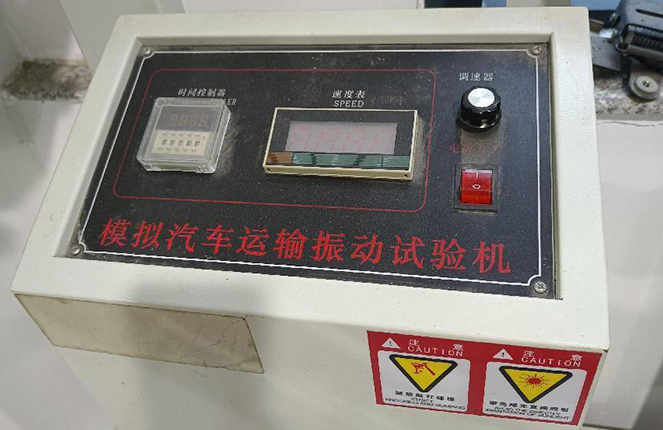
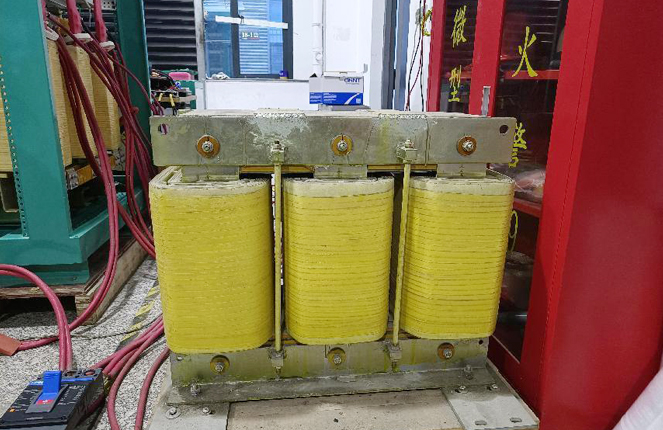
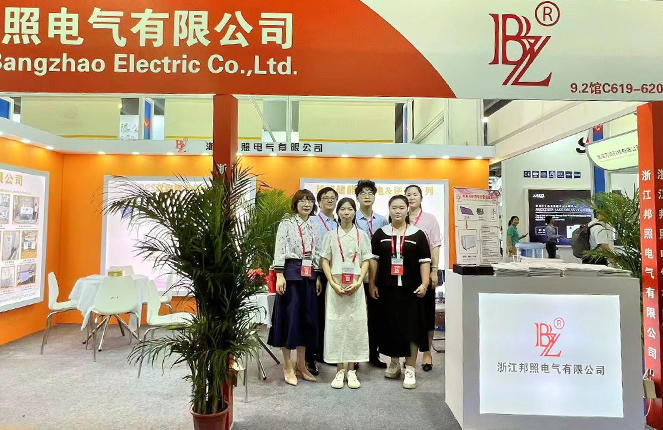
Observe our systems during operational testing, welding, and final QA phases inside the factory floors.
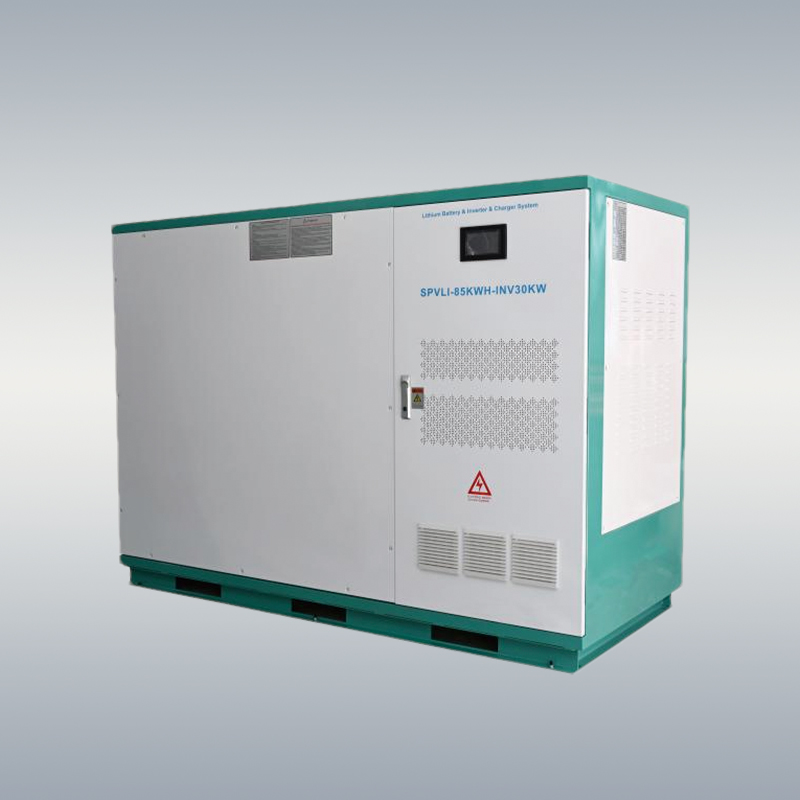

86kWh Storage System Tour
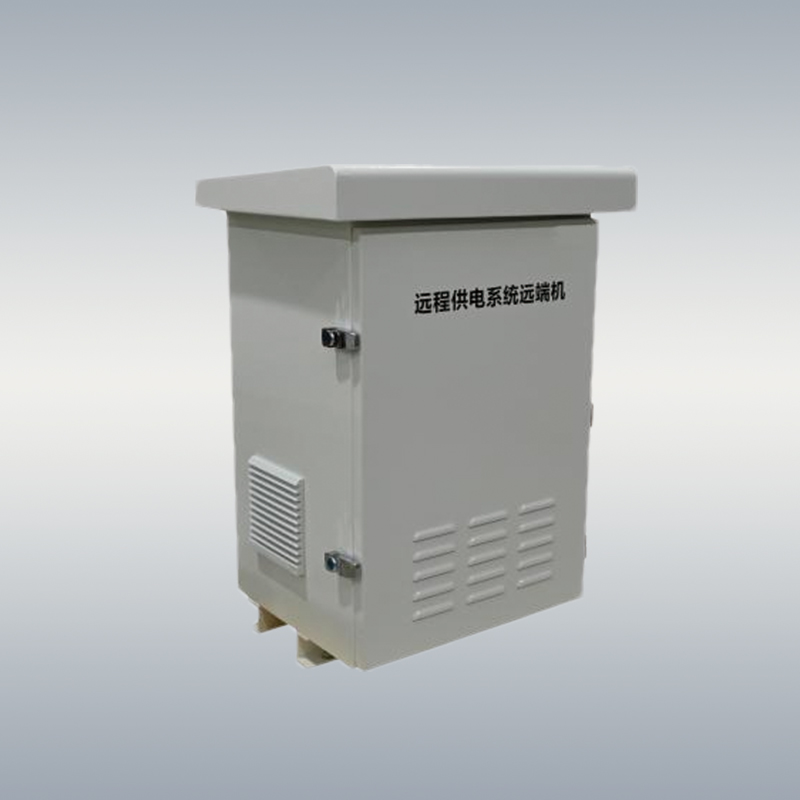
Outdoor Power Inverter Demo
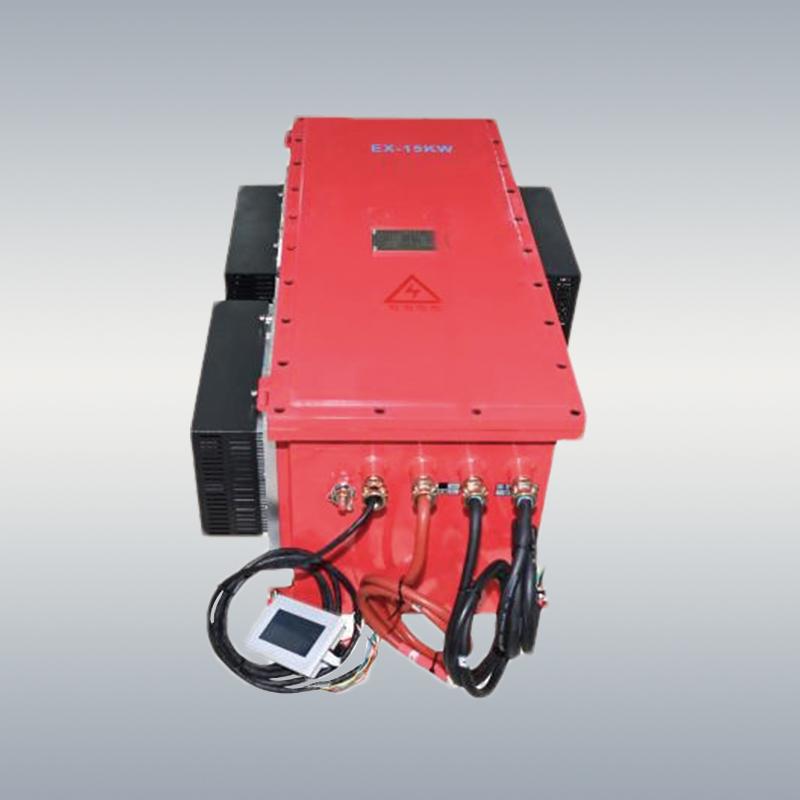
Explosion-Proof Inverter Testing
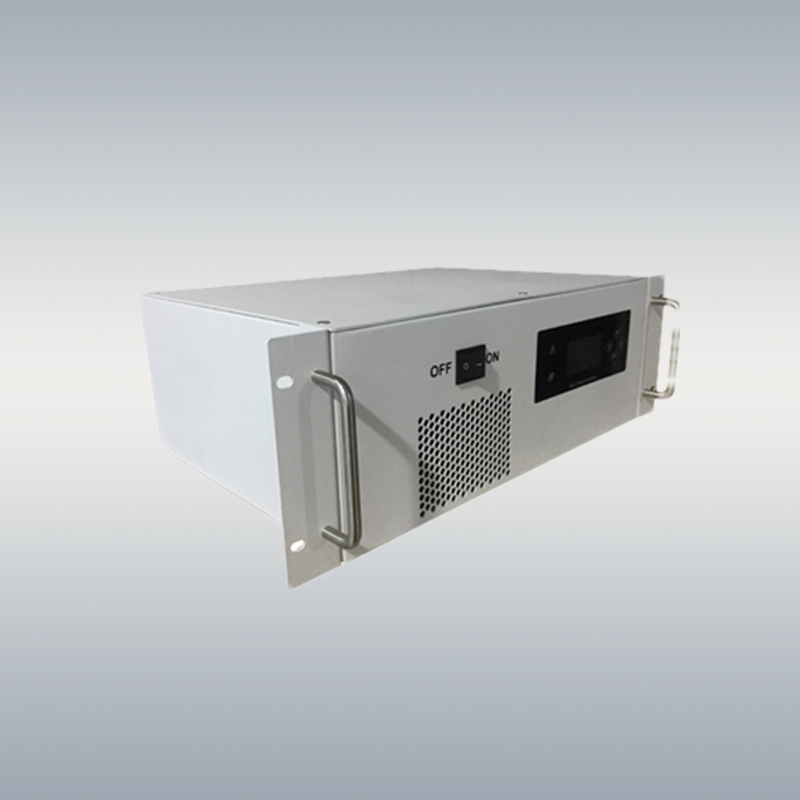
Rack Mount Solar Controller
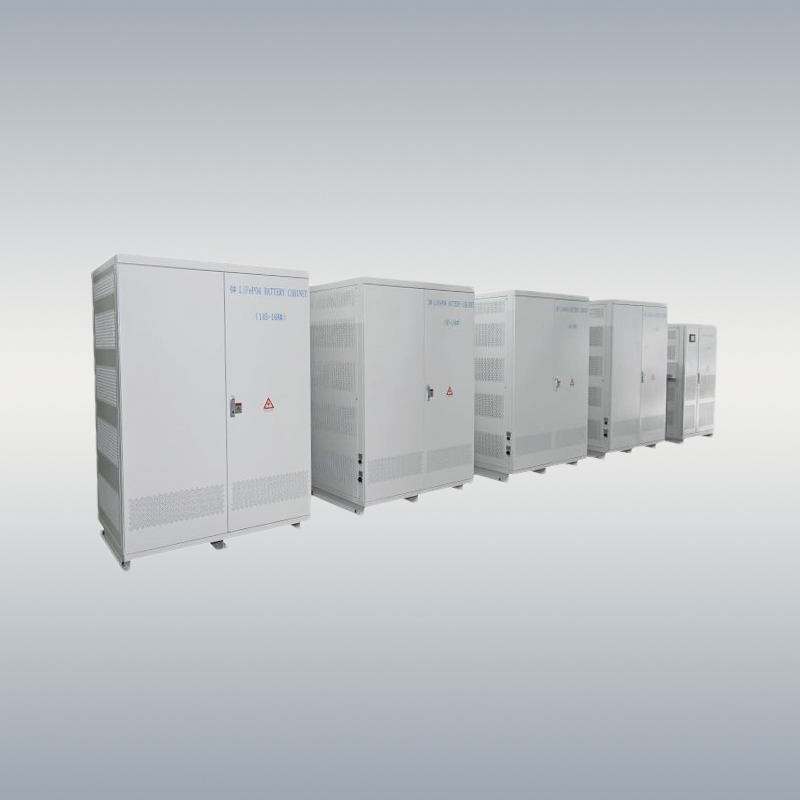
600kWh Cell Laser Welding
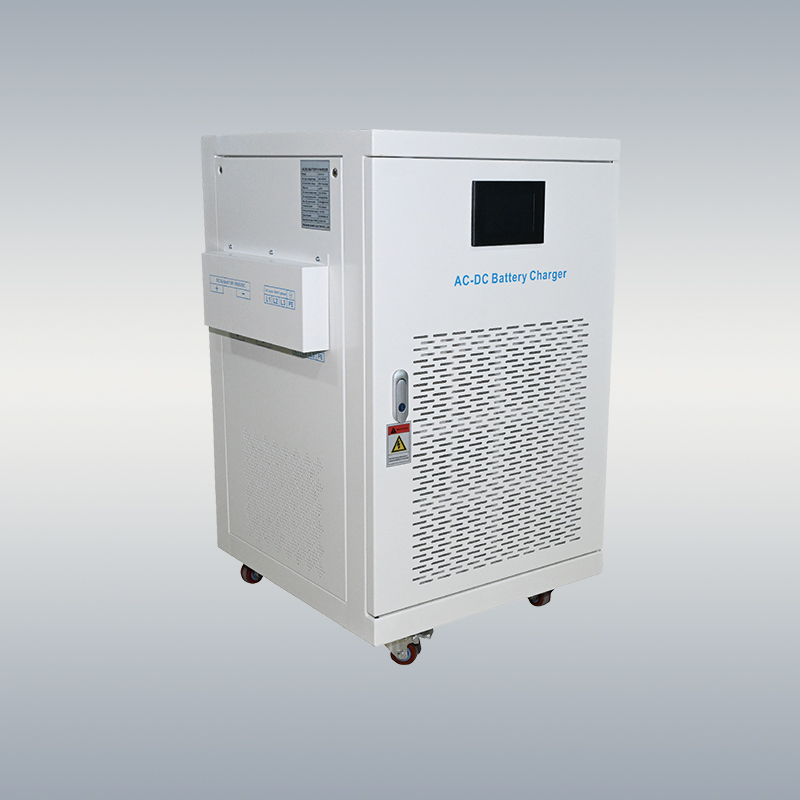
3-Phase AC-DC Battery Charger
In-depth structural and electrical answers curated by our senior R&D engineering leads to assist system designers and procurement coordinators.
Isolated inverters feature an internal high-frequency or low-frequency transformer that physically decouples the input circuit from the output load (galvanic isolation). This protects delicate components from electrical feedback, fault currents, and noise. Non-isolated versions have higher conversion efficiency (often exceeding 97%) and are smaller, but lack protection against dynamic feedback, making isolated structures preferred for marine and hazardous environments.
High-power AC-DC chargers operating at elevated current rates generate substantial heat. Active cooling using variable-speed smart fans protects the system by adjusting airflow based on internal temperature sensors. This reduces components thermal fatigue, stabilizes the ESR (Equivalent Series Resistance) of electrolytic capacitors, and increases the MTBF (Mean Time Between Failures) by up to 40% under sustained continuous load conditions.
China Classification Society (CCS) certification guarantees that the power converter is engineered to survive marine conditions. It certifies compliance against sustained vibrations, high ambient salt spray, continuous high humidity, and voltage fluctuations standard on ship grids. CCS certified marine converters feature conformal coated circuit boards, anti-vibration structural anchors, and specialized EMC filters to prevent interference with maritime navigation systems.
Static phase converters convert split-phase or single-phase input utility feeds into three-phase output profiles using solid-state switching circuits. Unlike rotary converters, they have no moving mechanical parts, resulting in quiet operation, near-zero maintenance requirements, and superior reliability. Static converters are highly efficient for fixed-load machinery, CNC devices, and heavy-duty industrial air compressors.
By shifting to high-voltage arrays (typically between 500VDC to 800VDC), power plants minimize line resistance losses, allowing for smaller cabling cross-sections. A high-voltage MPPT (Maximum Power Point Tracking) solar regulator continuously adjusts to track the solar array's peak output under shifting atmospheric light profiles, boosting solar collection efficiency by up to 30% compared to PWM setups.
Explore our secondary lineup of custom marine inverters, hybrid energy storage stations, digital solar controller blocks, and custom chargers.
 Bangzhao Electric