Home >
Power Phase Converter >
High-Quality power phase converter 120/240V split phase to 120/208V 3 phase Manufacturer, Suppliers
1 / 1
High-Quality power phase converter 120/240V split phase to 120/208V 3 phase Manufacturer, Suppliers
power phase converter 120/240V split phase to 120/208V 3 phaseÂ
Phase-splitting to three-phase power converters are devices that transform single-phase or two-phase alternating current into standard three-phase alternating current, primarily addressing the following application requirements:
Powering three-phase equipment: Providing stable power supply for three-phase loads such as industrial motors, CNC machine tools, and lifts, particularly in areas without three-phase mains or subject to power restrictions. Voltage matching and step-up: Elevates single-phase 240V to three-phase 380V to meet equipment rated voltage requirements. Phase compensation and balancing: Generates three-phase power with a 120° phase shift through algorithmic control, preventing power imbalance issues that may arise during single-to-three-phase conversion.
Converts single-phase alternating current into direct current (AC-DC), providing a stable DC source for subsequent inversion.
Inverter Stage
Utilises high-frequency switching devices (e.g., IGBT, MOSFET, IPM) and PWM modulation technology to convert DC to three-phase AC (DC-AC), precisely controlling output voltage, frequency, and phase.
Phase Generation Algorithm
Employs techniques such as SVPWM (Spatial Vector Pulse Width Modulation) to generate accurate three-phase sine waves, ensuring 120° phase separation and low waveform distortion.
●Rapid Dynamic Response: Exhibits short transient response times, adapting to sudden load variations.
●Comprehensive Protection Features: Incorporates short-circuit, overload, and overtemperature protection to ensure safe equipment operation.
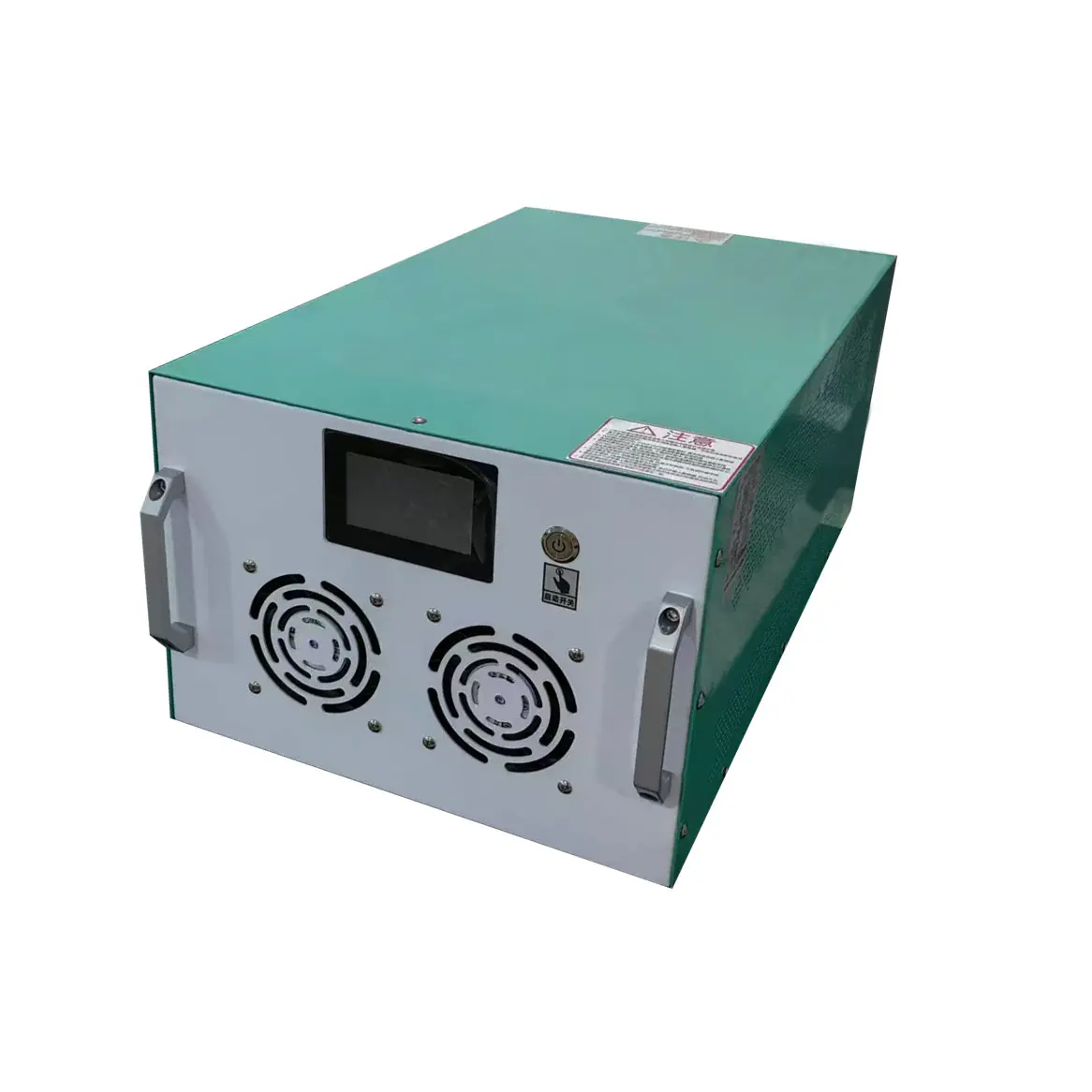
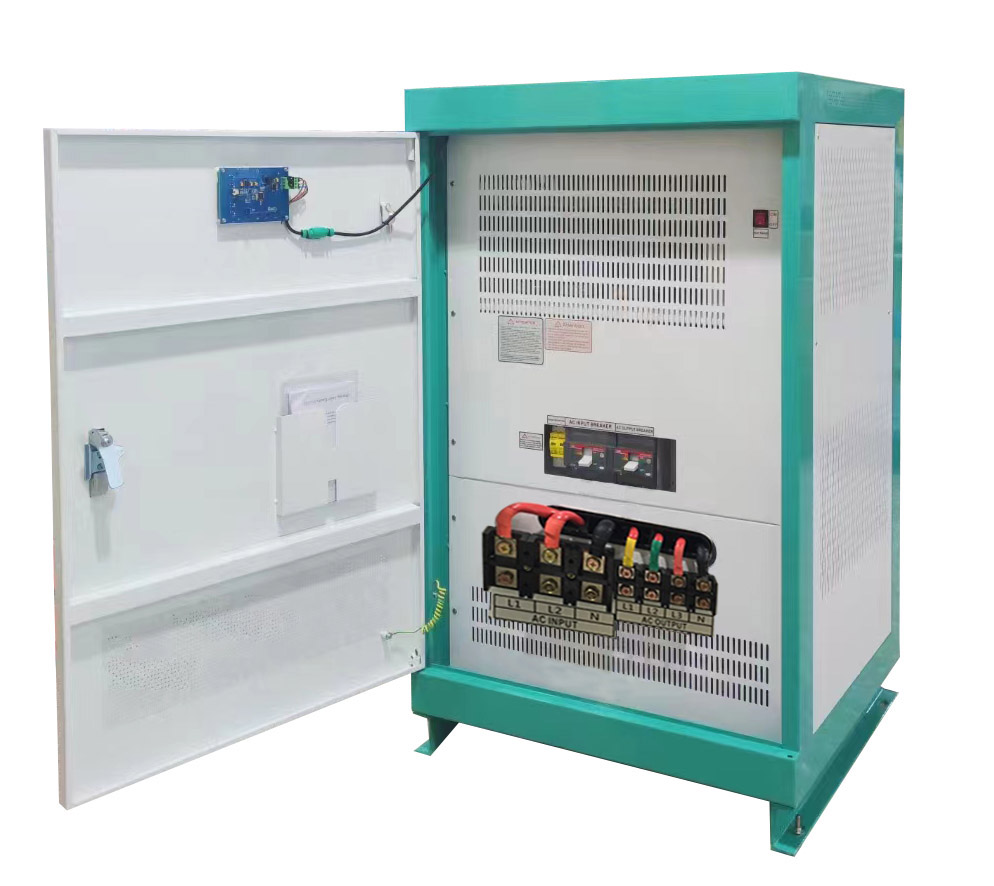
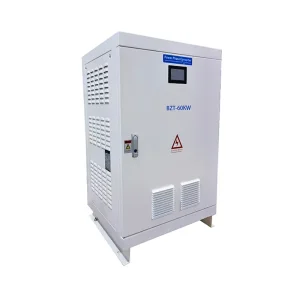
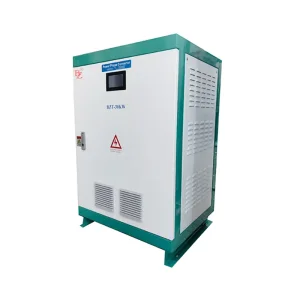
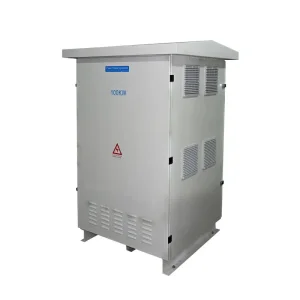
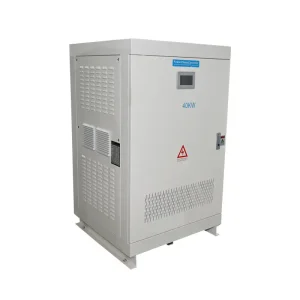
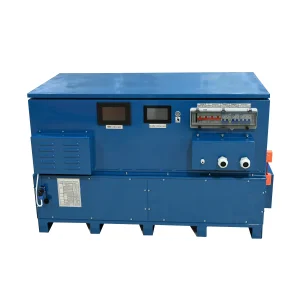
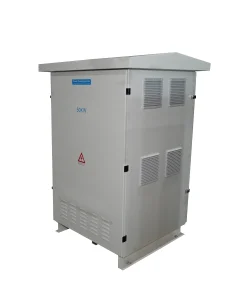
Stand Type Converter
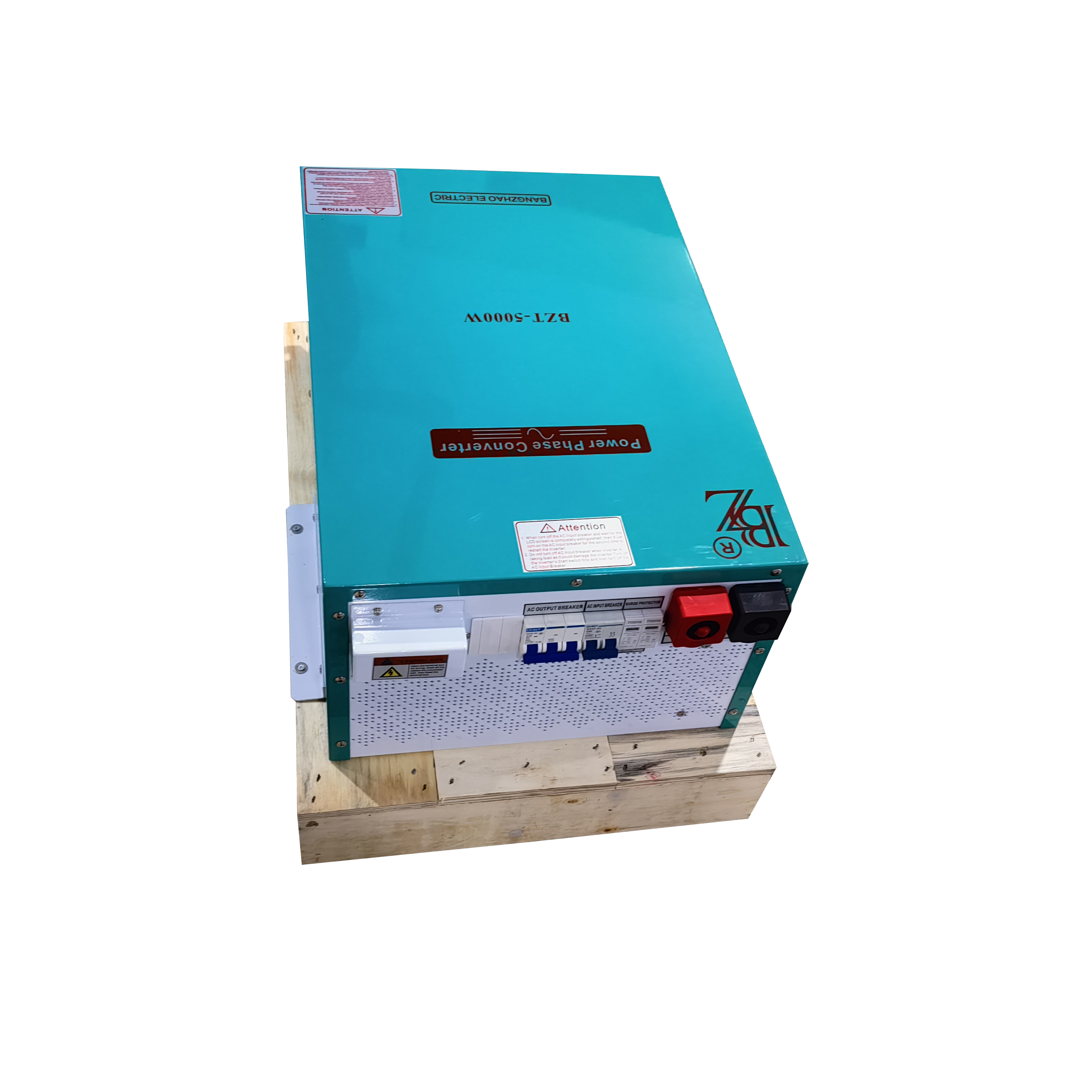
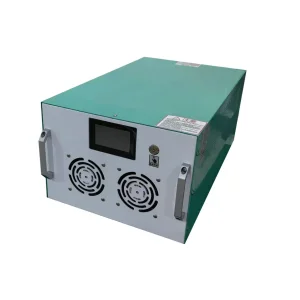
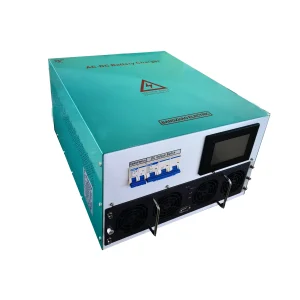
Rack Type Converter
Operational Principles & Features
▶Principle: Integrates rectification, inversion and control modules to generate three-phase electricity via the SVPWM algorithm.
▶Applications: High-precision motor drives, off-grid renewable energy systems, industrial automation, etc.
▶Features: Produces pure output waveforms and supports variable-frequency speed control, though at a higher cost.
Industrial & Commercial Applications
Industrial Motor Drives: In factories lacking three-phase power, phase-splitting converters supply equipment such as CNC machine tools and compressors, ensuring uninterrupted production.
Case Study: An automotive components factory utilised converters to transform single-phase 220V into three-phase 380V, driving a 15kW motor with 90% efficiency and stable operation.
Off-Grid New Energy: Within photovoltaic and wind power systems, converts single-phase DC to three-phase AC for load operation, enhancing energy utilisation efficiency.
Case Study: A distributed PV project employs converters to achieve seamless integration between single-phase PV panel outputs and three-phase AC load operation.
Emergency Power & Standby Systems: Serves as supplementary three-phase power assurance for critical facilities such as data centres and hospitals, complementing UPS (Uninterruptible Power Supply) systems.
Case Study: A hospital utilised a phase-splitting three-phase converter to power operating theatre lifts during mains failure, ensuring safe patient transfer.
Selection and Usage Recommendations
Power Matching: Select converter capacity based on load power, typically allowing a 20%-30% margin to accommodate start-up surges.
Example: For driving a 7.5kW motor, a converter rated at 10kVA or above is recommended.
Waveform Quality: For inductive loads such as motors, prioritise output waveform distortion rate (THD) – select products with THD < 5%.
Environmental Adaptability: In high-temperature, humid, or vibration-prone environments, opt for converters with mains-frequency isolation transformers to enhance stability.
Frequently Asked Questions
Q1: What is the main advantage of an AC-DC-AC conversion structure?
It provides a high-quality, stable three-phase output with precise control over voltage and frequency, ensuring low waveform distortion compared to simpler methods.
Q2: Can these converters be used for CNC machines in residential areas?
Yes, they are ideal for locations where only single-phase power is available but industrial-grade three-phase equipment like CNC tools needs to be operated.
Q3: How much power margin should I leave when choosing a converter?
It is recommended to allow a 20% to 30% margin above the total load power to handle initial start-up current surges safely.
Q4: Are these converters compatible with solar power systems?
Absolutely. They are frequently used in off-grid renewable energy setups to bridge the gap between single-phase generation and three-phase AC loads.
Q5: What safety protections are typically included?
Standard protection features include short-circuit protection, overload protection, and overtemperature protection to safeguard both the converter and the connected equipment.
Q6: What is the efficiency rating of these phase converters?
High-quality converters typically achieve a conversion efficiency exceeding 94%, ensuring minimal energy loss during the transformation process.
 Bangzhao Electric