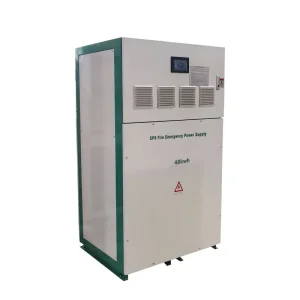
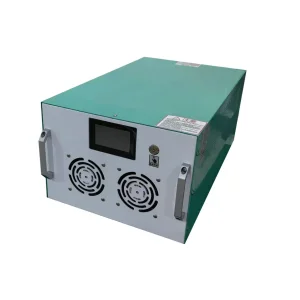
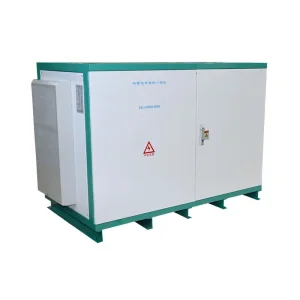
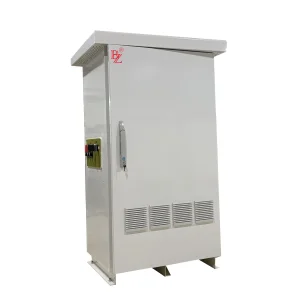
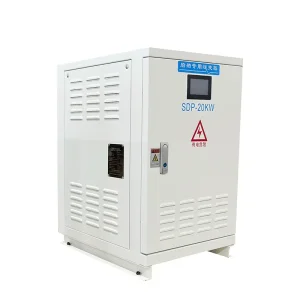
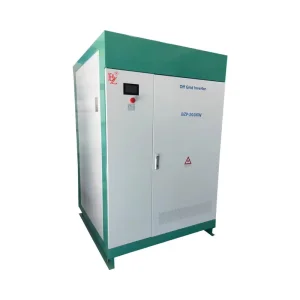
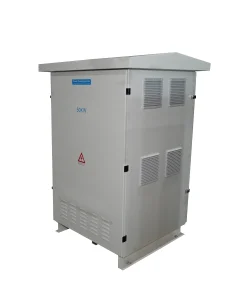
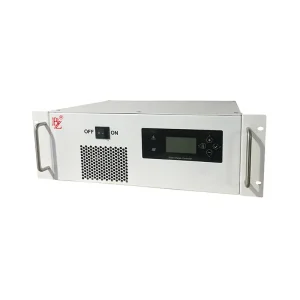
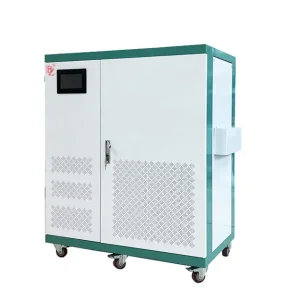
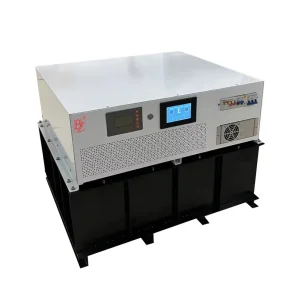
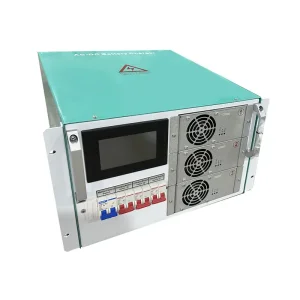
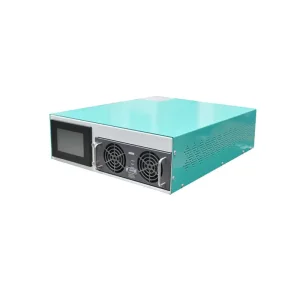
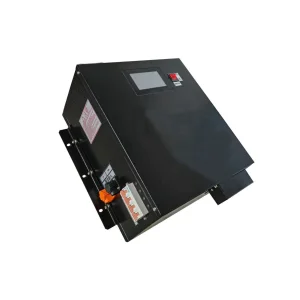
The global maritime industry is undergoing a historic shift towards electrification and decarbonization. As a premier Custom Low Frequency Isolation Boat Inverter Supplier, we recognize that vessels—ranging from luxury yachts to industrial tankers—now require power systems that are more than just "functional." They must be resilient against the harsh saline environments of the open sea while managing complex, high-surge loads from desalination plants, air conditioning units, and sophisticated navigation radars.
Currently, the market is bifurcated between high-frequency (HF) and low-frequency (LF) architectures. While HF inverters are lighter, the industrial and commercial maritime sectors overwhelmingly prefer LF isolation inverters due to their massive iron cores and copper transformers, which provide unmatched thermal stability and harmonic filtration.
Why is "Isolation" a non-negotiable requirement for professional boat suppliers? Galvanic isolation creates a physical barrier between the DC battery input and the AC output. On a vessel, where the hull often serves as a grounding point, any leakage current can lead to catastrophic electrolytic corrosion. Our low frequency isolation inverters use heavy-duty toroidal transformers to ensure that electrical noise and surges from the motor loads do not feedback into the sensitive lithium battery management systems (BMS).
Bangzhao Electric Co., Ltd, established in 2008, has carved a niche as a high-performance power product pioneer. Our core engineering team consists of top-tier professionals who have spent over a decade perfecting system solutions for Lithium battery storage, Pure sine wave inverters, and Explosion-proof power systems.
We are not just a manufacturer; we are a strategic partner providing localized application scenarios and customized technical roadmaps for clients in over 60 countries.
The next generation of boat inverters will not be isolated silos. They will be integrated via NMEA 2000 or CAN bus protocols into the vessel's central management system. Bangzhao is already developing AI-driven predictive maintenance modules that analyze harmonic distortions to warn captains of motor failures before they occur.
As maritime solar and wind power become standard, inverters must handle varying DC inputs. Our current roadmap includes 400V-800V wide-voltage off-grid inverters designed to work seamlessly with high-voltage marine lithium banks, reducing cabling weight and increasing overall efficiency to over 94%.
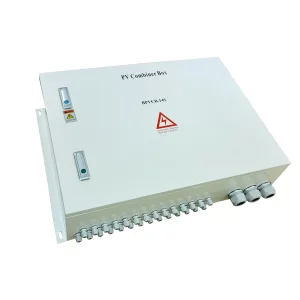
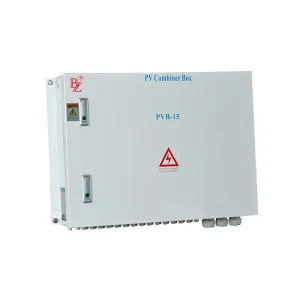
We provide comprehensive solutions that combine PV combiner boxes, MPPT controllers, and LF inverters to allow vessels to run entirely on renewable energy while docked, eliminating the need for noisy and polluting diesel generators.
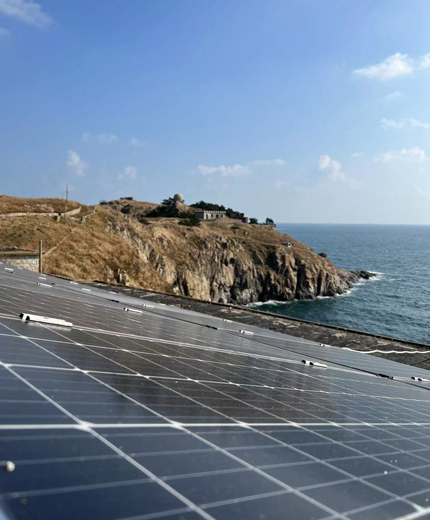
Providing stable AC power in remote island resorts where grid connection is impossible. Our LF inverters handle the high startup current of massive refrigeration units.

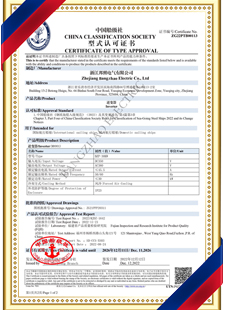
Integrated with CCS-approved battery packs for commercial fishing vessels, ensuring that navigation and life-support systems remain active during engine maintenance.

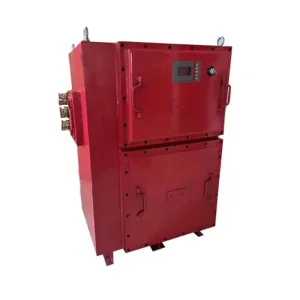
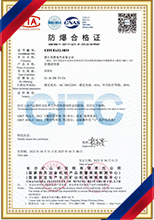
Explosion-proof inverters designed for hazardous environments where reliability is measured in safety-seconds, not just hours.
Company Profile & Facility Tour
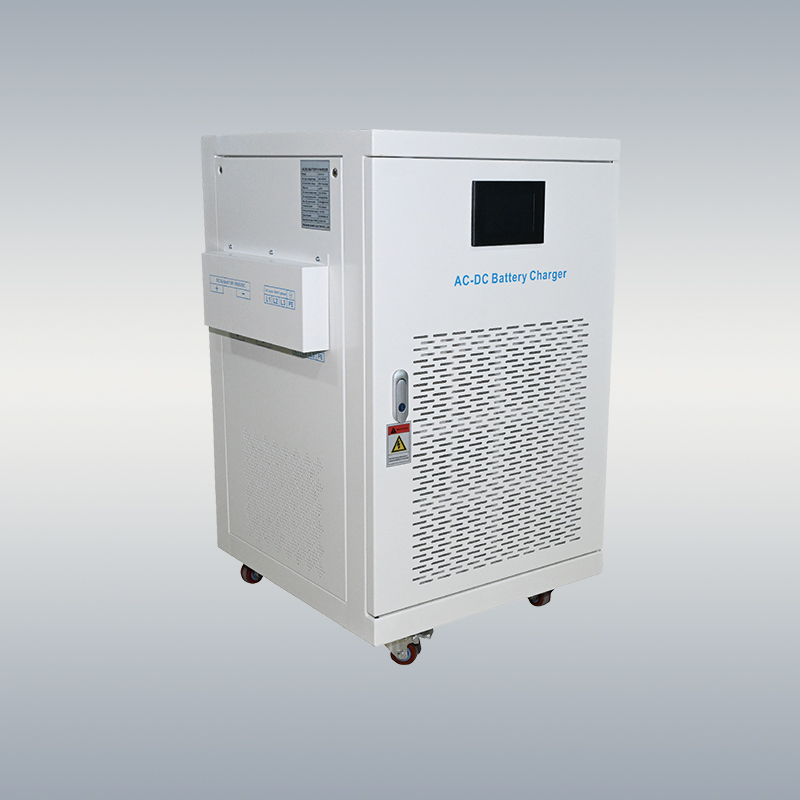
3 Phase AC-DC Battery Charger Production
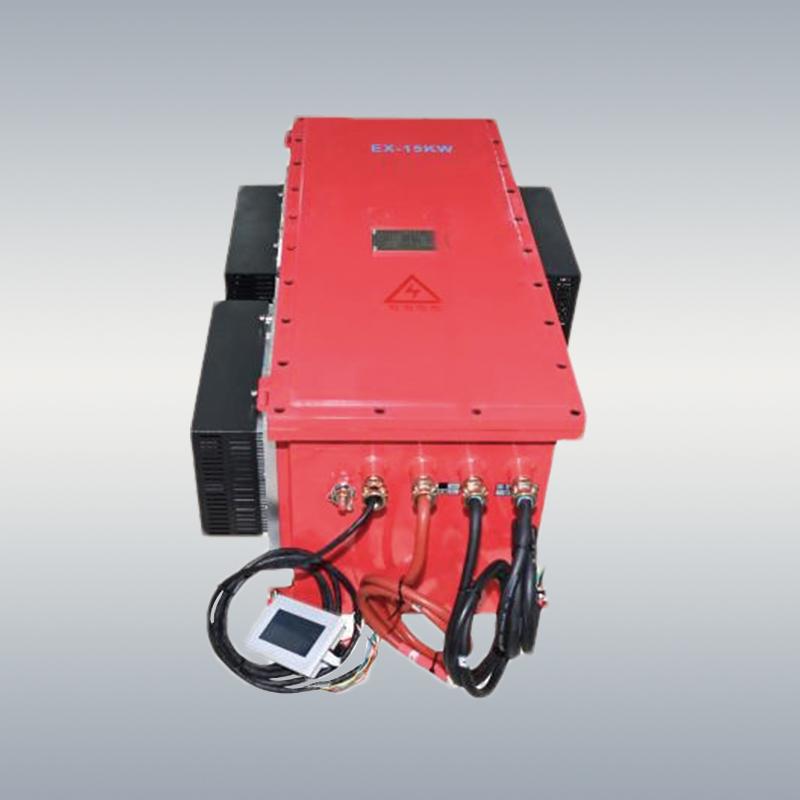
Explosion-proof Inverter Testing
 Bangzhao Electric