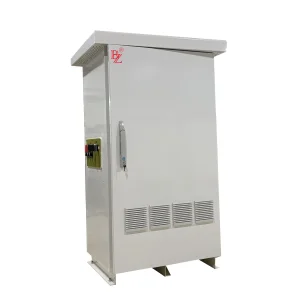
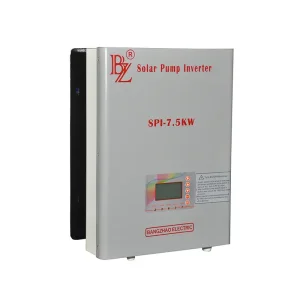
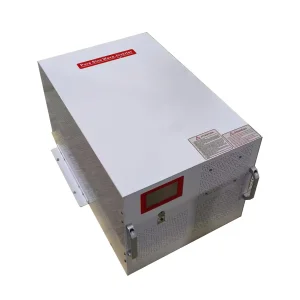
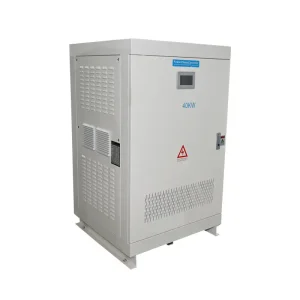
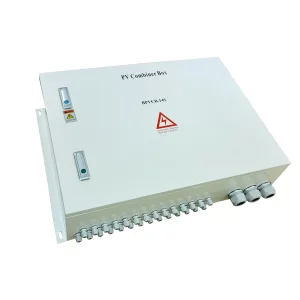
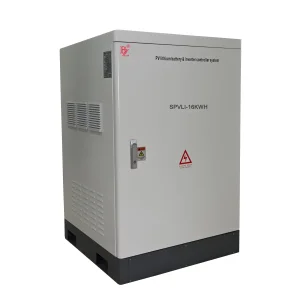
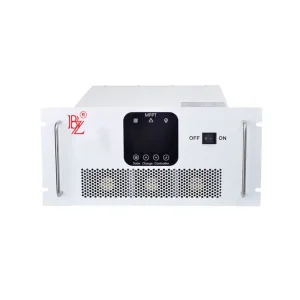
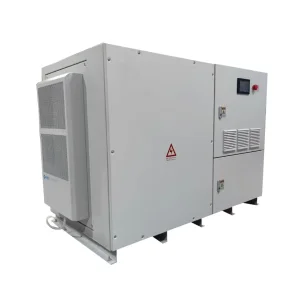
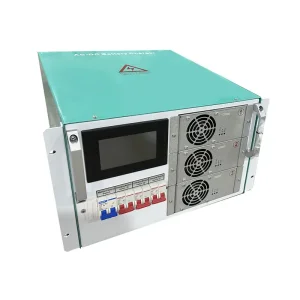
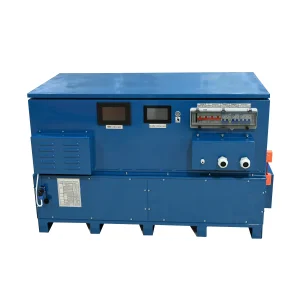
The solar electric inverter industry is undergoing a seismic shift. No longer just a component for DC-to-AC conversion, the modern inverter is the "intelligent brain" of the energy system. As China remains the powerhouse for solar technology exports, the focus has shifted from mere price competition to Information Gain through technical superiority and system-wide integration.
Recent data indicates that global demand for high-efficiency string inverters and modular central inverters is growing at a CAGR of 15.6%. In China, suppliers like Bangzhao Electric are pioneering the use of Silicon Carbide (SiC) and Gallium Nitride (GaN) power devices to push conversion efficiencies beyond 99%, significantly reducing the Total Cost of Ownership (TCO) for utility-scale projects.
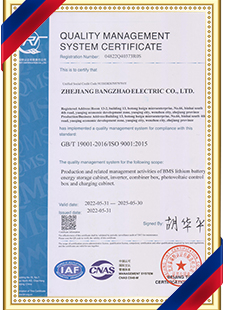
Bangzhao Electric Co.,Ltd was established in 2008 and is a specialized leader in developing and supplying high-performance power products. Our technical edge stems from a domestic team of top 100 engineers. Over the past decade, we have provided comprehensive system solutions including Lithium battery storage, PCS bi-directional energy storage, Pure sine wave inverters, and Marine-grade power systems.
Our commitment: "Integrity, Rigorous, Pragmatic." We invest over 20% of annual sales into R&D to ensure our global partners receive the most advanced technology available.
Established Year
Proven Solutions
Export Countries
Utilizing off-grid industrial frequency inverters and PV controllers to provide stable power in harsh, salt-mist environments. Our systems ensure 24/7 self-sufficiency for remote communities.
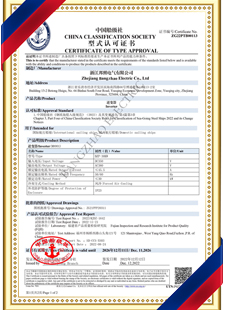
CCS-approved lithium energy storage and low-frequency isolation inverters designed specifically for navigation, communication, and onboard living facilities with high vibration resistance.
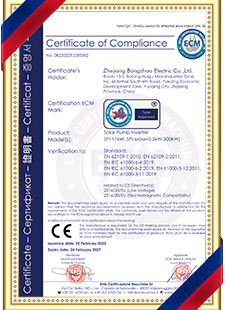
Three-phase AC water pump direct-drive systems with utility complementarity. Ideal for agricultural irrigation in areas without grid access, ensuring zero carbon emissions.
To provide true Information Gain for procurement officers, it is essential to understand the shifts in inverter architecture:

 Bangzhao Electric