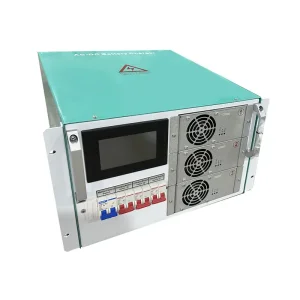
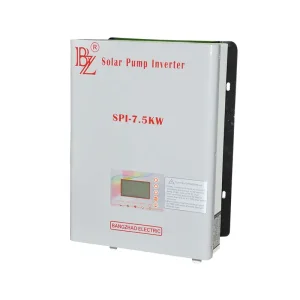
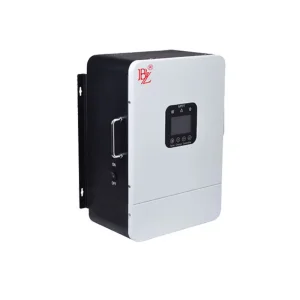
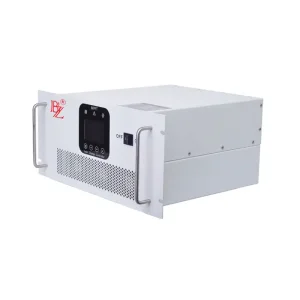
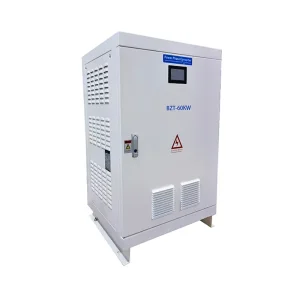
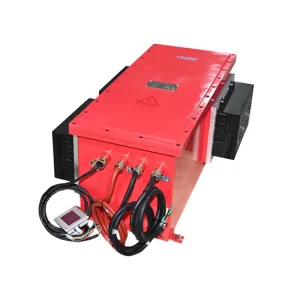
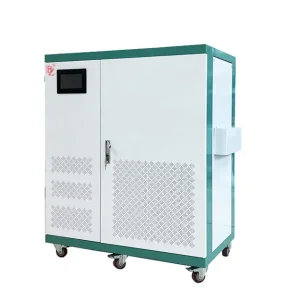
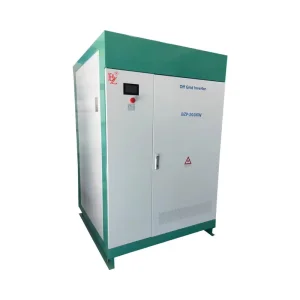
The global transition towards sustainable energy deployment requires scalable, efficient, and exceptionally reliable infrastructure. Historically, power architectures operated at lower voltage thresholds (typically 12V to 48V). However, modern requirements in electric vehicle (EV) charging stations, megawatt-scale industrial microgrids, grid-connected battery energy storage systems (BESS), and heavy marine applications have driven the adoption of high-voltage lithium battery systems. These platforms operate anywhere from 400VDC to upwards of 1000VDC.
At these higher voltage profiles, the thermodynamic and electrical behaviors of power systems change dramatically. Higher voltage directly reduces the active current draw required to transmit equivalent power metrics (using the foundational formula \(P = V \times I\)). By keeping current values low, system engineers can mitigate conduction losses (which scale quadratically with current: \(P_{loss} = I^2 R\)), minimize thermal dissipation profiles, and dramatically scale down cable cross-sectional area demands. As a result, systems experience reduced weight, minimized installation footprints, and lower structural copper costs.
Crucial to unlocking these system advantages is the high-voltage lithium charger. Modern high-voltage topologies must manage extreme dynamic load transitions, offer ultra-precise galvanic isolation, minimize total harmonic distortion (THD) back injected into grid nodes, and guarantee safety protocols to prevent catastrophic battery thermal runaway. These requirements have accelerated the integration of Wide Bandgap (WBG) semiconductors, such as Silicon Carbide (SiC) and Gallium Nitride (GaN), replacing traditional silicon-based metal-oxide-semiconductor field-effect transistors (MOSFETs) and insulated-gate bipolar transistors (IGBTs).
Integration of Silicon Carbide (SiC) switches allows for faster switching frequencies, reducing the physical size of inductors and capacitors while maintaining over 98% efficiency thresholds.
Intelligent liquid-cooled or forced-air internal thermal paths minimize heat generation, sustaining continuous power delivery even in demanding outdoor or hot desert climates.
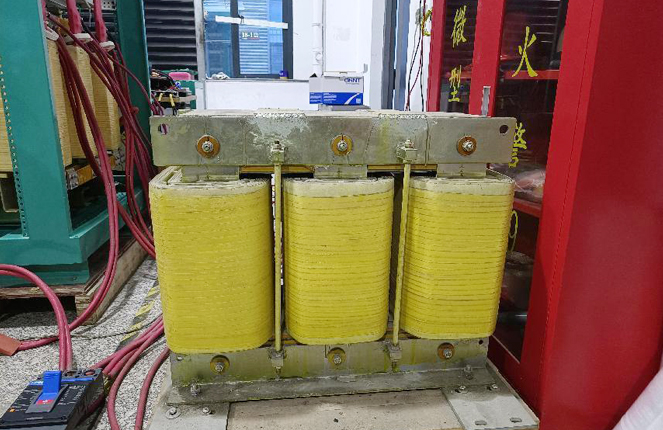
Industrial-grade transformers guarantee complete isolation between high-voltage DC output buses and the utility grid, ensuring safe operator environments and equipment protection.
From an architectural standpoint, contemporary high-voltage lithium chargers utilize resonant topologies like LLT or phase-shifted full-bridge (PSFB) designs. These techniques allow for Zero Voltage Switching (ZVS) or Zero Current Switching (ZCS), minimizing electromagnetic interference (EMI) footprints and boosting reliability. As industrial demand grows, purchasing managers seek out specialized manufacturers capable of engineering custom-tailored charging platforms that conform to specific battery chemistry behaviors, including Lithium Iron Phosphate (LiFePO4), Lithium Titanate Oxide (LTO), and Nickel Manganese Cobalt (NMC).
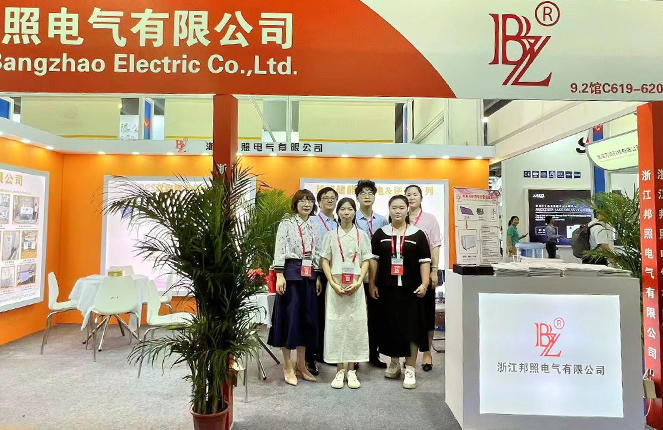
Established in 2008, Bangzhao Electric Co., Ltd has positioned itself at the forefront of high-performance power electronics engineering. Our technological edge is driven by a core development team comprising domestic top-tier engineers. With over 15 years of industry presence, we specialize in developing, manufacturing, and supporting premium power solutions. Our comprehensive portfolio includes high-voltage Lithium Battery Energy Storage Systems (BESS), PCS bi-directional energy storage power systems, high-efficiency solar pump inverters, marine isolation inverters, explosion-proof power units, and advanced AC-DC high-voltage chargers.
At Bangzhao, technological innovation and customer-centric integration serve as the cornerstone of our operations. We re-invest more than 20% of our annual sales revenue back into our research and development divisions. This consistent investment supports our engineering teams as they work to secure advanced certifications and global patent designs. By working closely with international system integrators and EPC contractors, we deliver tailored systems that perform reliably in extreme environments, from remote marine installations to desert pumping applications.
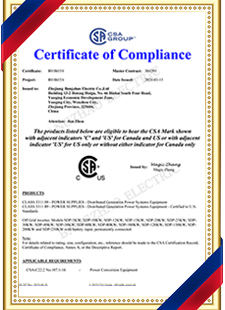
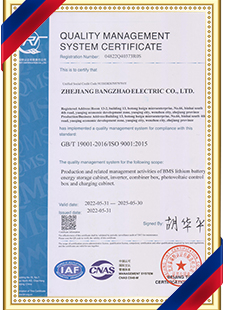
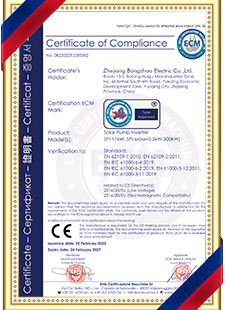
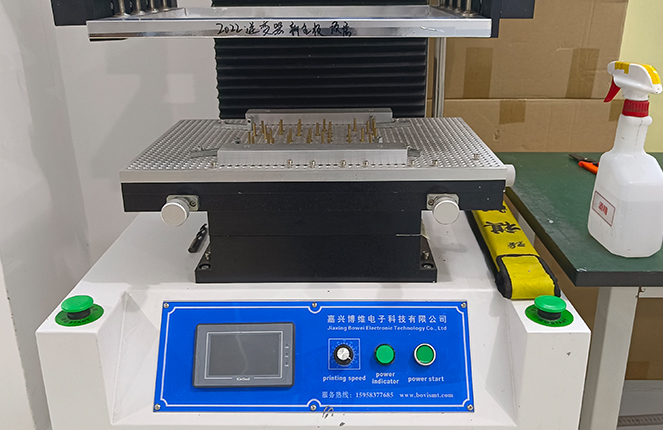
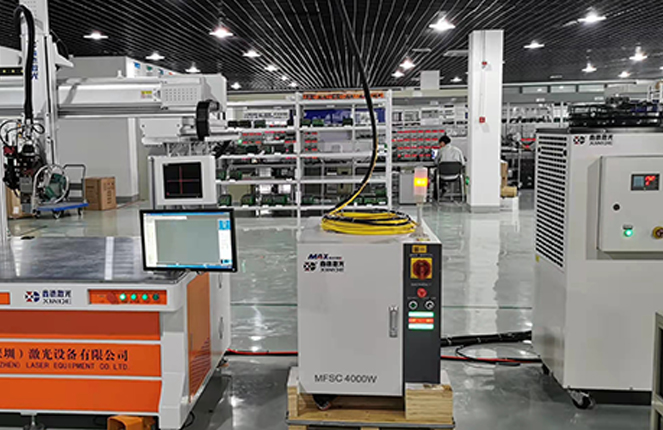
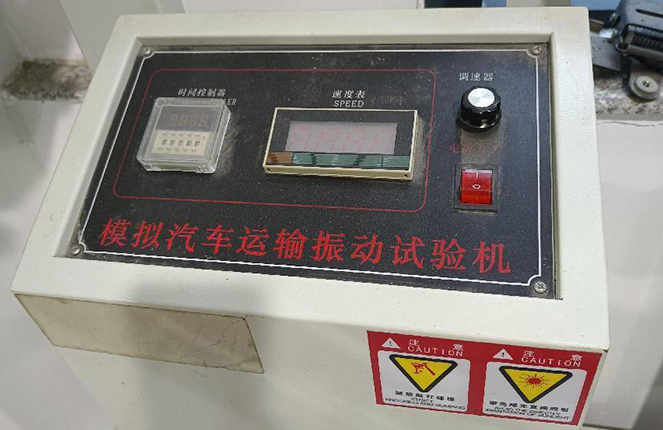
Our commitment to rigorous, pragmatic engineering is reflected in our ISO 9001 compliance, strict QA testing lines, and the international certifications awarded to our product families. Below are authentic representations of our qualification honors, testing documentation, and engineering assembly capabilities:


As multinational enterprises scale up decarbonization projects, the procurement requirements for utility-grade chargers have shifted. Standard off-the-shelf equipment cannot satisfy the dynamic loads, varied communication requirements, and extreme physical environments of industrial projects. Modern global sourcing managers prioritize several key design benchmarks when selecting high-voltage charging systems:
Furthermore, sourcing professionals seek manufacturing partners capable of offering custom system designs. This includes designing chargers with specific IP ratings (IP54/IP65 for outdoor installations), integrating explosion-proof enclosures for chemical and oil extraction sites, or manufacturing isolated converters for marine vessels. Working directly with an OEM/ODM supplier like Bangzhao allows EPC firms to optimize performance metrics, streamline installation steps, and reduce overall project costs.
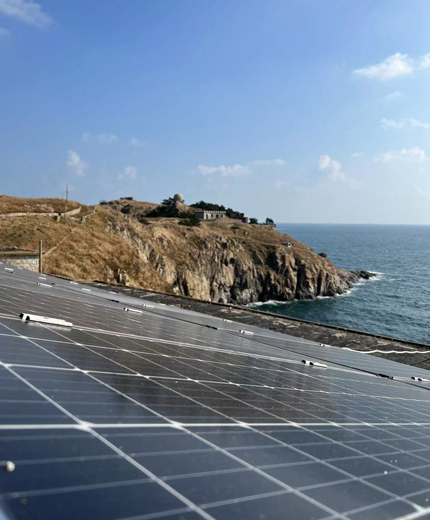
This off-grid system utilizes solar arrays to convert sunlight into electricity, storing it in high-capacity lithium batteries to provide a stable power supply for remote island communities. Our industrial-frequency off-grid inverters and PV controllers are engineered to withstand humid, high-saline marine environments, ensuring long-term operational stability.
Explore Project >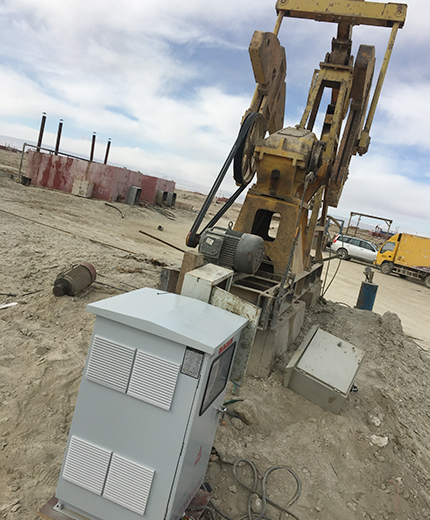
This application utilizes solar arrays to power deep-well oil pumping units, reducing fuel reliance and carbon footprints in isolated extraction zones. Our high-voltage PV oil pump inverters feature high power conversion efficiency, modular power blocks, industrial-frequency isolation, and robust overload capacities for reliable start-ups.
Explore Project >
Designed for onboard auxiliary power and propulsion systems, this setup operates in demanding marine environments. The charging system stabilizes incoming grid lines, provides low-frequency galvanic isolation, and mitigates electromagnetic interference (EMI) to meet CCS marine certification standards.
Explore Project >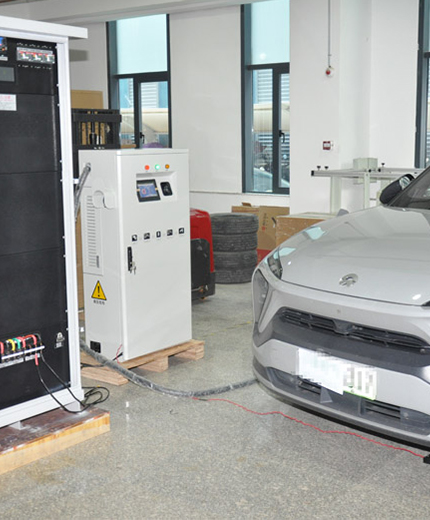
This system integrates solar and wind generation with high-voltage energy storage to deliver high-capacity vehicle charging. By storing energy during low-demand periods, the system buffers local grid connections, helps shave peak utility charges, and provides clean power to vehicles.
Explore Project >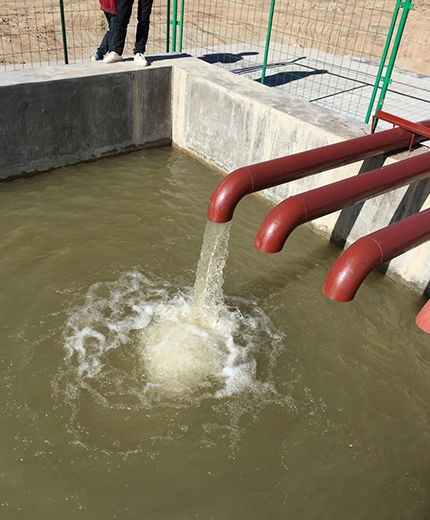
This solar-direct pumping system provides water distribution for agricultural irrigation and municipal supply. Compatible with utility grid backups, the system features a 99% efficient MPPT controller, offering an off-grid water management solution with low ongoing maintenance needs.
Explore Project >As microgrids and utility-scale solar-plus-storage systems grow in scale, high-voltage battery chargers must adapt to more complex operational roles. Modern systems are expected to do more than simply deliver current to a load; they must function as active grid-interactive power devices capable of dynamic grid stabilization.
Our long-term engineering roadmap focuses on three main technological goals:
Next-generation high-voltage lithium chargers utilize bidirectional active bridge topologies (DAB). This design allows power to flow both into the battery and back out to the grid or local loads when needed. In peak shaving or grid frequency regulation applications, the charger acts as a fast-response utility asset, injecting power within milliseconds to help stabilize grid voltages.
By using solid-state transformer technology, we can eliminate bulky low-frequency transformers. This reduces the weight and physical volume of our isolation chargers by over 50%, while also improving system efficiency. This is a critical feature for marine applications, space-limited offshore platforms, and mobile military support units.
Our future charging systems will integrate machine learning algorithms to monitor charging trends in real time. By analyzing voltage responses and thermal curves at high speeds, the charger can identify minor internal resistance changes in the battery pack. This helps detect potential cell anomalies before they lead to thermal issues, protecting the user's investment.
Increases high-voltage power density, improves system reliability, and reduces the layout footprint in high-density installations.
Enables microgrid energy systems to participate in grid ancillary markets and support load shaving strategies.
Monitors voltage and temperature trends to optimize charge paths and extend battery life cycles.
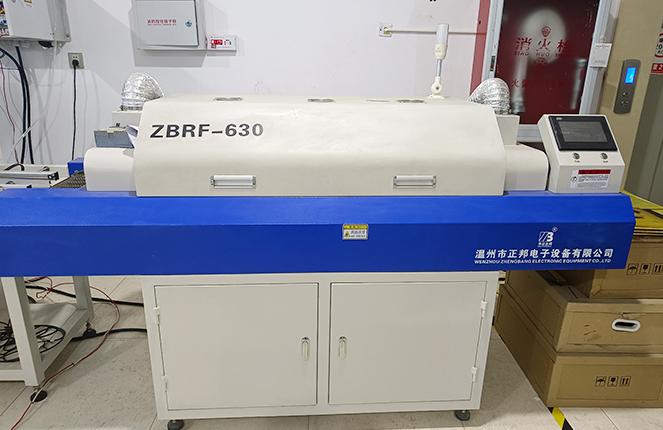
A visual overview of our manufacturing facilities, assembly stations, quality control bays, and laboratory testing environments.

Company Profile & Factory Tour
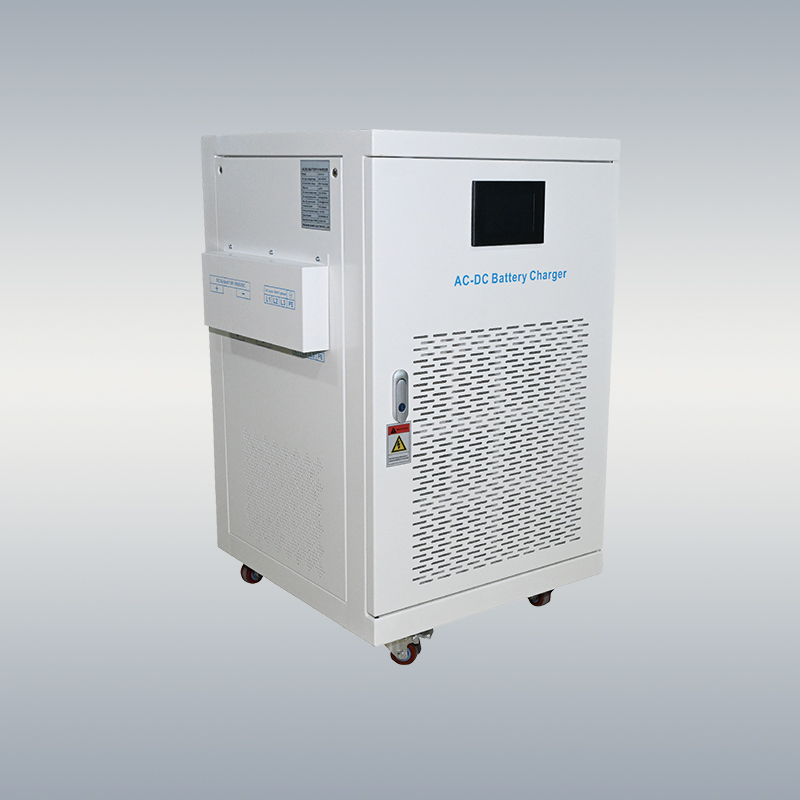
3 Phase AC-DC Charger Operation
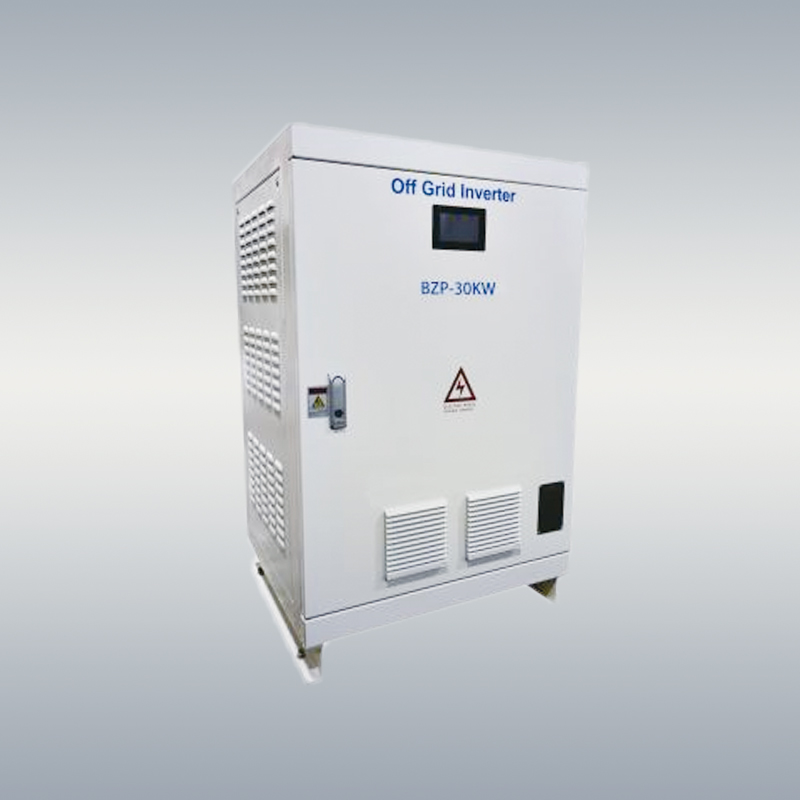
Pure Sine Wave Inverter Assembly
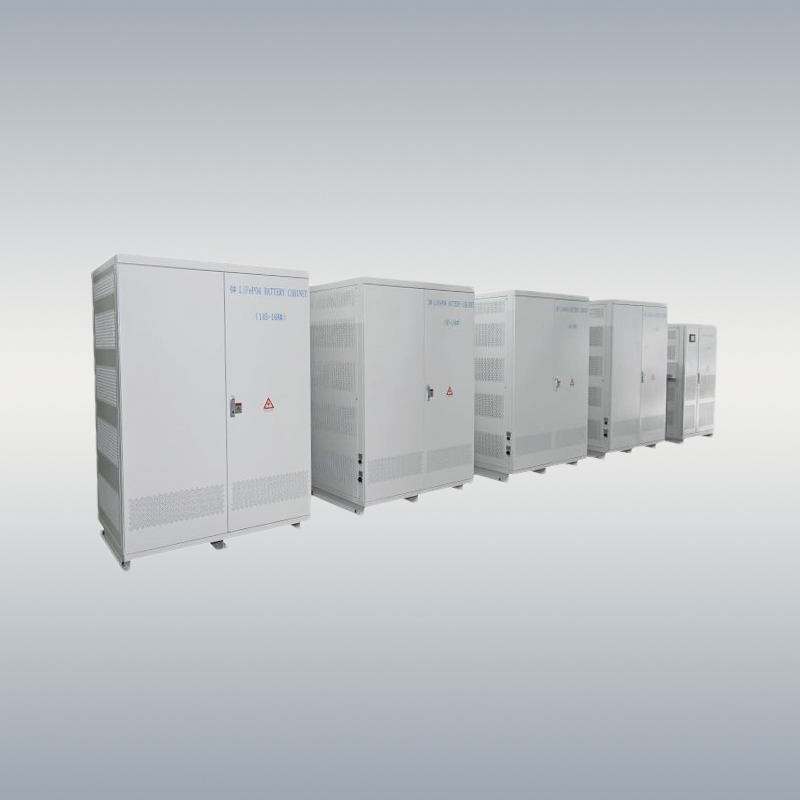
Solar Microgrid Storage System Demo
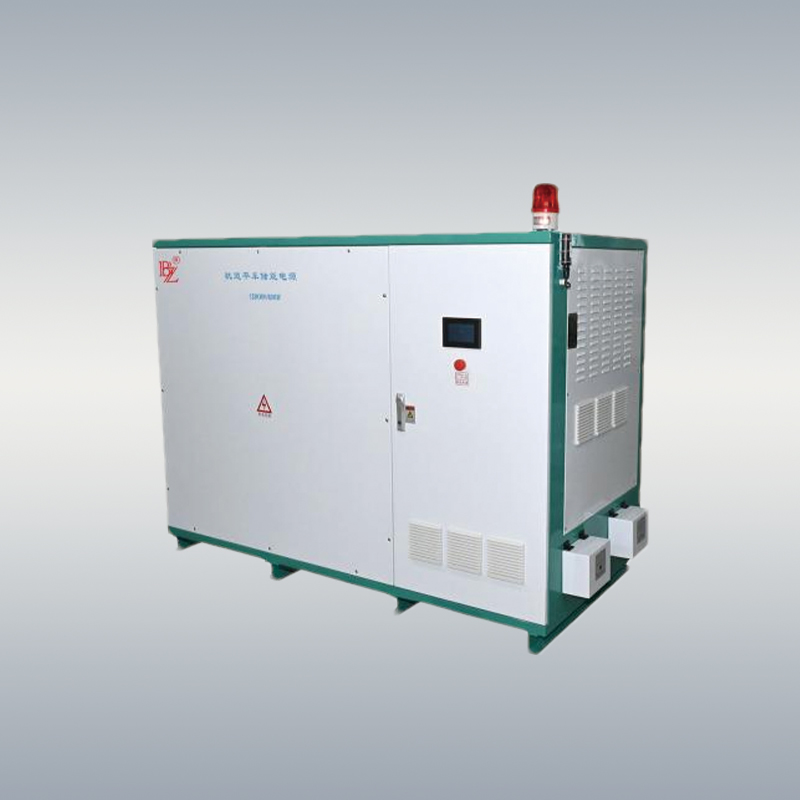
Diesel-Lithium Hybrid System Test
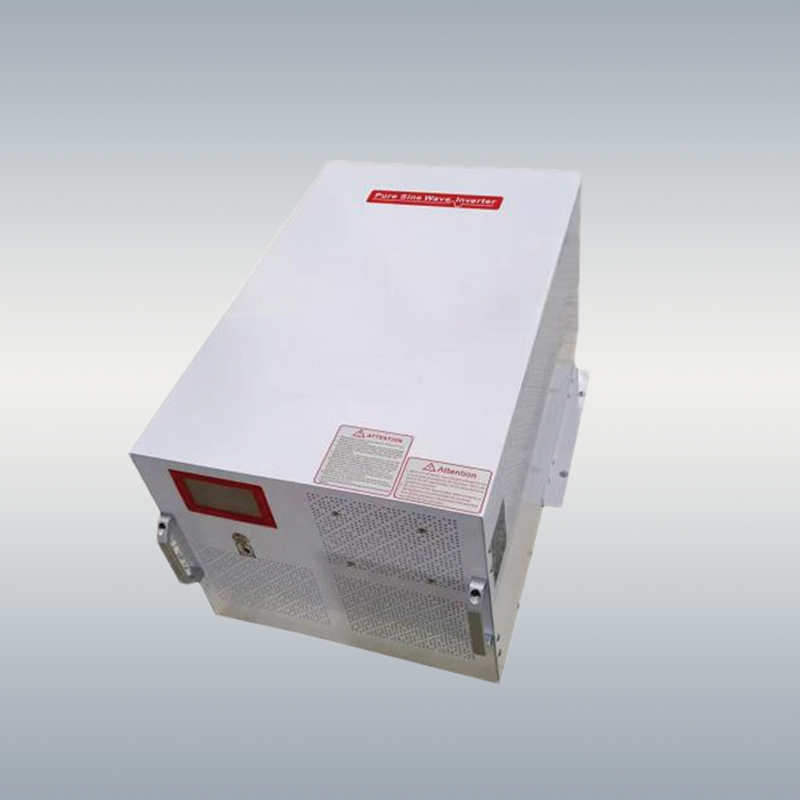
48VDC-220VAC Inverter Assembly
Deploying high-voltage energy assets across various regulatory jurisdictions requires strict compliance with regional safety, compatibility, and grid standards. Without these verifications, projects can face delayed approvals, import issues, or operating restrictions.
At Bangzhao, our engineers design each system to meet key international certification frameworks, ensuring smooth integration worldwide:
To support our global customers, we maintain a network of technical partners who assist with on-site commissioning, localization tuning, and system updates. This helps local engineering teams resolve questions quickly, minimize downtime, and maintain high system reliability.
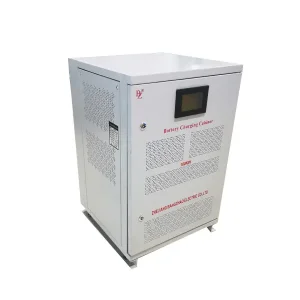
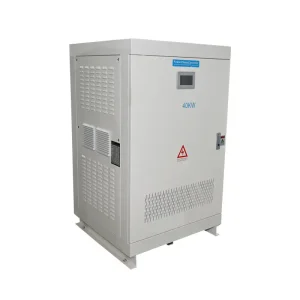
 Bangzhao Electric