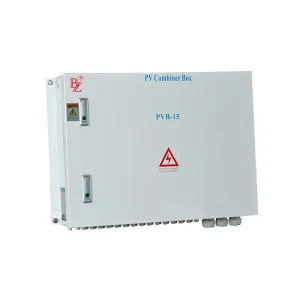
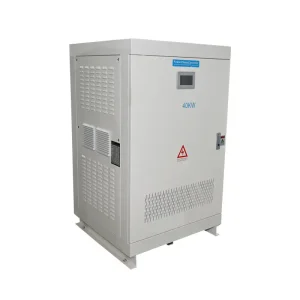
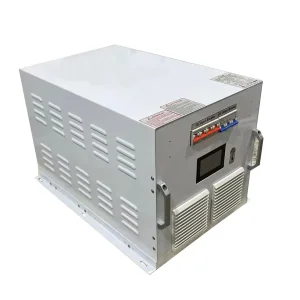
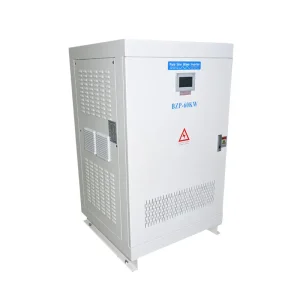
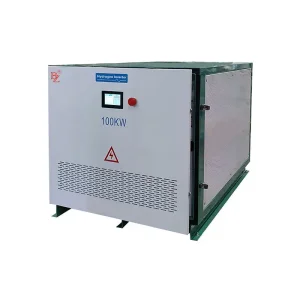
Engineered for high reliability under salt-spray, vibration, and extreme continuous thermal stress.
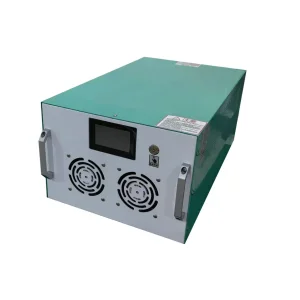
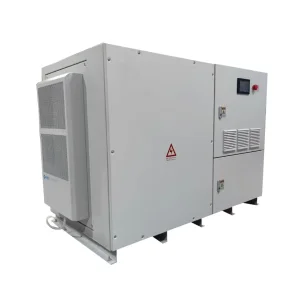
The global marine power electronics landscape is undergoing a structural paradigm shift driven by stringent IMO (International Maritime Organization) carbon reduction directives, increasing commercial fleet electrification, and the expansion of luxury ocean-going vessels. Modern marine operations demand uninterruptible, clean AC electrical power converted from high-capacity DC battery banks (Lithium LiFePO4, AGM, and Gel topologies).
Marine inverters serve as the vital bridge between low-voltage or medium-voltage direct current (DC) storage systems and complex alternating current (AC) onboard loads—including navigation electronics, dynamic positioning systems, watermakers, refrigeration, hydraulic pump drives, and crew HVAC systems.
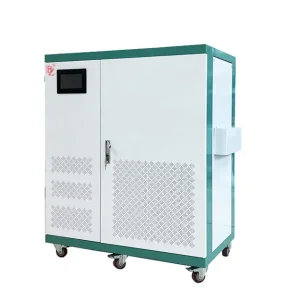
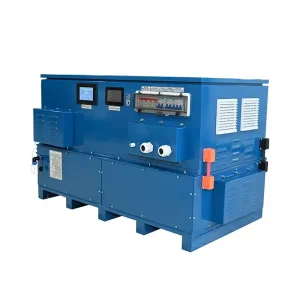
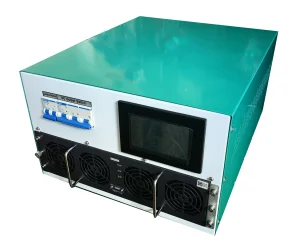
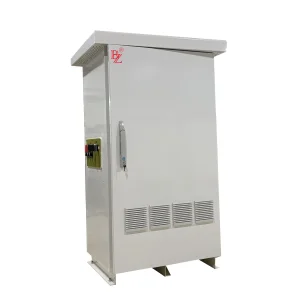
As premier High-Quality Boat Inverter Manufacturers & Exporters, leading engineering facilities in China are supplying heavy-duty, marine-grade pure sine wave inverters engineered specifically to mitigate galvanic corrosion risks, tolerate wide input DC volatility, and sustain continuous 300% peak inductive surge capacities without thermal breakdown.
Marine electrical environments present non-linear stress factors that standard commercial off-grid inverters cannot survive. Below is a structural analysis of how advanced boat inverter manufacturers design systems for ocean environments.
High-end marine inverters incorporate heavy-duty toroidal copper transformers that provide complete electrical physical isolation between the DC battery bank and the AC shore/boat wiring. This prevents stray DC current leakage into the hull, mitigating destructive electrolytic corrosion on zinc anodes, thrusters, and aluminum or steel hulls.
Sensitive marine navigation systems, digital radars, fishfinders, and medical-grade vessel equipment require pure sine wave AC output. Premium marine inverters achieve Total Harmonic Distortion (THD) under 2%, eliminating micro-jitter, acoustic hum in audio/communications, and thermal buildup in motorized equipment.
Internal printed circuit boards (PCBs) undergo triple-dip conformal polyurethane/acrylic coating to protect electronic components against salt spray, high humidity condensation, and oil mist. Heat sinks are anodized with hydrophobic electro-coatings compliant with ASTM B117 standards.
| Performance Standard | Standard Commercial Inverters | Industrial Marine Grade Inverters | Bangzhao OEM Custom Marine Series |
|---|---|---|---|
| Galvanic Isolation | Transformerless / High Frequency (No Isolation) | Basic Isolation Transformer | Toroidal Copper Low-Frequency Isolation (Full Hull Protection) |
| Peak Surge Multiplier | 150% - 200% for <100ms | 200% - 250% for 1 Second | 300% Continuous Surge for 10 Seconds (Heavy Motor Load) |
| DC Input Voltage Range | Narrow ±10% Nominal | Standard ±15% Nominal | Ultra-Wide Input (e.g., 400V-800V DC / 48V High DC Fluctuation) |
| Environmental Resistance | IP20 (Indoor Dust Only) | IP54 Dust/Splash Proof | IP65 Outdoor Sealed Enclosure / Anti-Salt Spray ASTM B117 |
| Grid/Shore Switching Time | >20ms (Relay Interruption) | 10ms - 15ms Transfer | <4ms Ultra-Fast Transfer / Zero Interruption Static Switch |
Deployment patterns across commercial marine fleets, off-grid island electrification, and specialized vessels.
Deep-sea fishing vessels require non-stop power for quick-freezing ice makers, saltwater reverse-osmosis pumps, sonar transducers, and fish-processing conveyors. Inverters installed in these vessels operate 24/7 under engine-room ambient temperatures often exceeding 50°C, requiring active thermal-regulated cooling systems and high surge margin for large induction motors.
Superyacht power grids demand silent operation when anchored at bay. Marine inverter chargers seamlessly shut down noisy diesel generators, taking over vessel AC loads directly from lithium battery banks. Zero-switch transfer (<4ms) ensures light fixtures, onboard servers, satellite communications, and entertainment systems never reboot.
Tugboats, crew transfer vessels (CTV), and offshore support craft require ruggedized DC-to-AC inverters compliant with international classification societies (such as CCS). These units power critical hydraulic controls, emergency fire pumps, arc welding systems, and deck cranes under high vibration conditions.
Established in 2008, Bangzhao Electric Co., Ltd has positioned itself as a global pioneer in developing and supplying state-of-the-art power conversion systems. The high performance of our marine and industrial inverters stems from cutting-edge technology engineered by top-tier domestic power electronics experts.
Over more than 15 years of continuous research, Bangzhao Electric has delivered tailored high-capacity energy solutions including Lithium Battery Energy Storage Systems (BESS), PCS Bi-directional Power Conversion Systems, Pure Sine Wave Marine Inverters, Vehicle Inverters, Explosion-Proof Inverters, PV Pump Inverters, High-Voltage Battery Chargers, and Static Phase Converters.
We invest over 20% of our annual sales revenue into R&D, securing numerous patents, international safety standard compliance, and classification society certifications. Our operational philosophy—"Integrity, Rigorous, Pragmatic"—guarantees that every boat inverter leaving our factory meets strict maritime quality controls.
Global shipyards, marine electrical distributors, and system integrators choose China's advanced manufacturing ecosystem for high-capacity marine power equipment due to distinct structural advantages.
Direct proximity to world-class semiconductor packaging, toroidal copper winding plants, and high-precision CNC metal enclosure fabrication allows Chinese manufacturers to reduce delivery lead times by 40% compared to Western counterparts, while maintaining strict component selection standards (e.g., Infineon IGBTs, Nichicon capacitors).
Unlike standard off-the-shelf catalog vendors, Bangzhao Electric provides extensive custom tailoring: wide DC input ranges (e.g., 48V, 96V, 192V, 380V, up to 800V DC), custom chassis dimensions (rack-mount, 9U wall-mount, floor-standing IP65 cabinets), multi-voltage outputs, and customized communication protocols (CANbus, Modbus RTU, NMEA 2000).
Every marine inverter undergoes comprehensive factory acceptance testing (FAT), including full-load thermal endurance burn-in tests inside heated environmental chambers, 100% high-voltage dielectric isolation testing, dynamic load step response verification, and salt-spray enclosure tightness validation.
Proven applications across marine energy storage, isolated island microgrids, dynamic pumping systems, and commercial transport infrastructure.

Provides stable primary and auxiliary AC power for electrical loads on commercial vessels. Engineered to adapt to complex marine environments, guaranteeing continuous operation of navigation, communication, and living facilities. Features low-frequency isolation, frequency/voltage stabilization, high anti-interference capability, and full compliance with China Classification Society (CCS) certification standards.
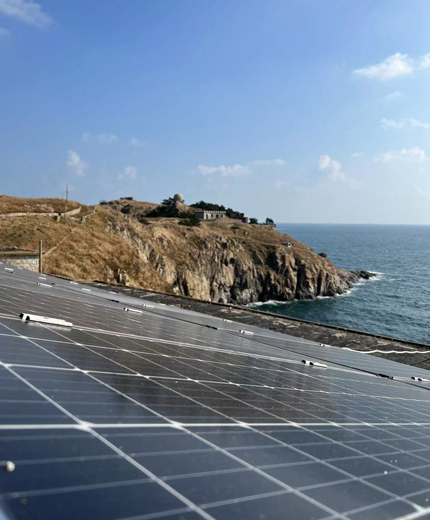
Converts solar power via high-efficiency MPPT controllers and heavy-duty off-grid marine-class inverters into steady AC electricity stored in lithium battery banks. Eliminates island reliance on expensive, polluting diesel generators, delivering robust energy self-sufficiency under severe coastal humidity and marine weather conditions.
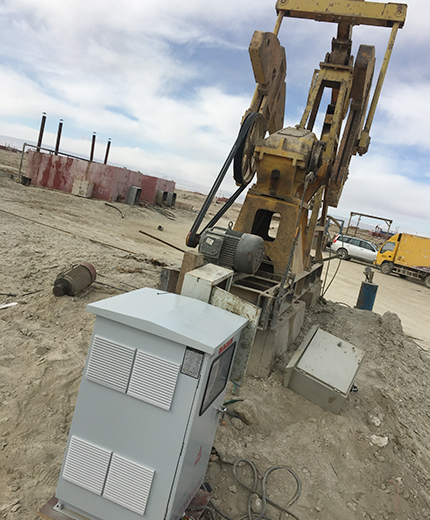
Integrates solar power modules directly with specialized motor inverter drives for heavy oil pumping applications. Offers industrial-frequency isolation, modular scalability, exceptional overload starting torque, and minimal maintenance in harsh off-grid desert or coastal extraction sites.
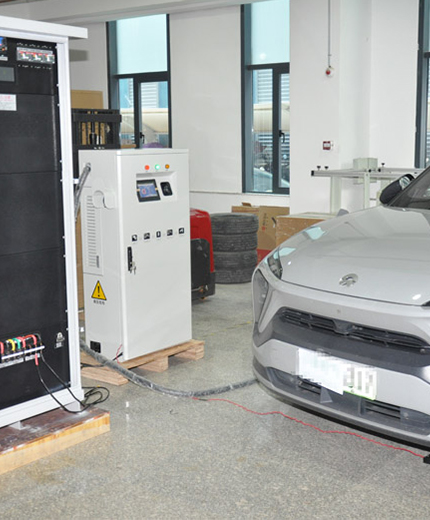
Combines bidirectional inverter charger modules with energy storage batteries to supply high-power fast charging for electric vehicles and hybrid vessels. Optimizes local grid loading, buffers high peak demand, and integrates renewable wind/solar energy inputs smoothly.
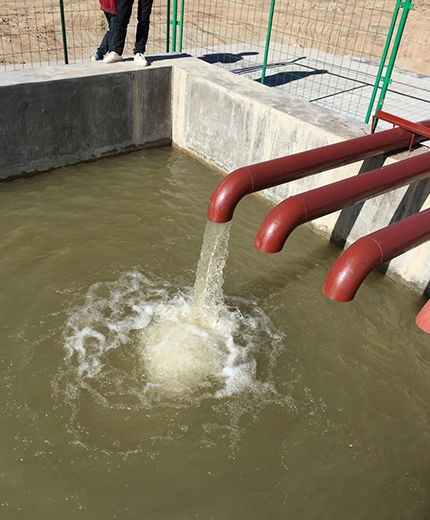
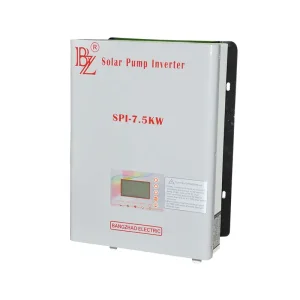
Pure solar direct-drive three-phase AC water pumping solution with utility power grid complementary switching capability. Converts solar energy dynamically to match pump speed, eliminating zero-emission operating expenses for coastal land reclamation and marine aquaculture.
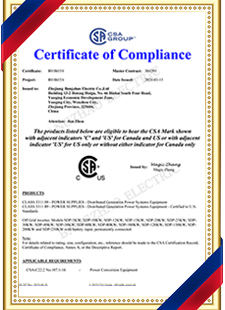
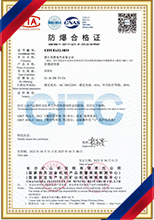
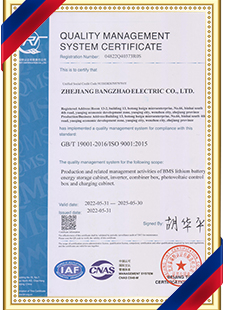
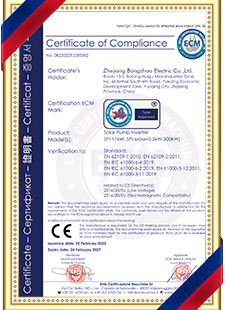
Backed by extensive IP patents, ISO quality certifications, and rigorous production testing video documentation.
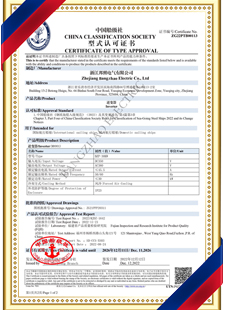


Company Profile
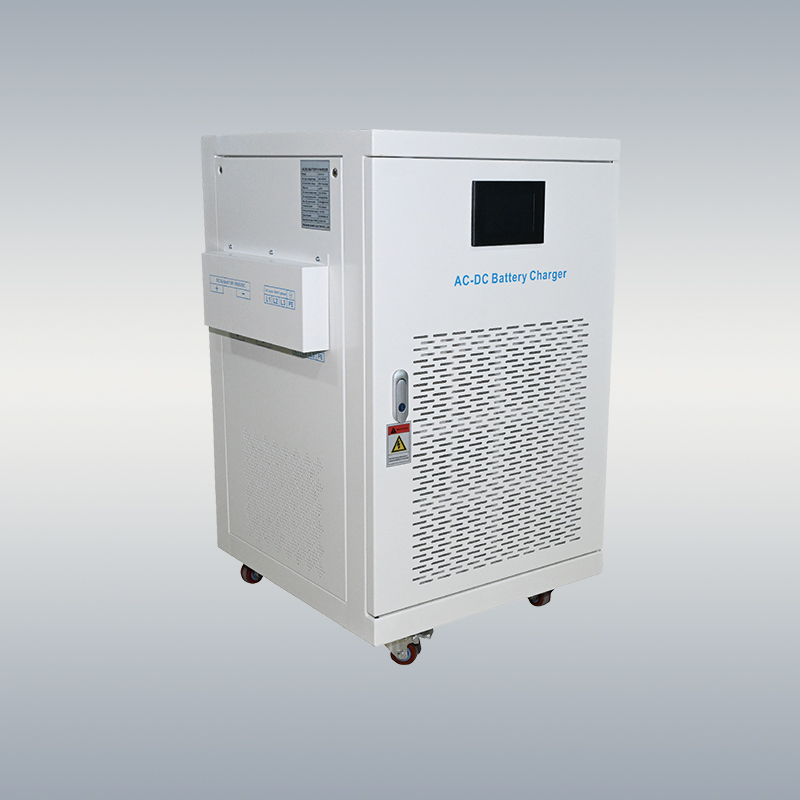
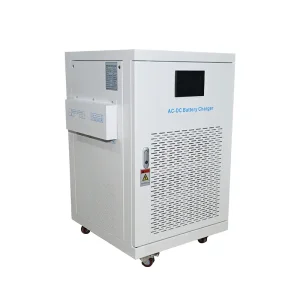
3 Phase AC-DC Charger
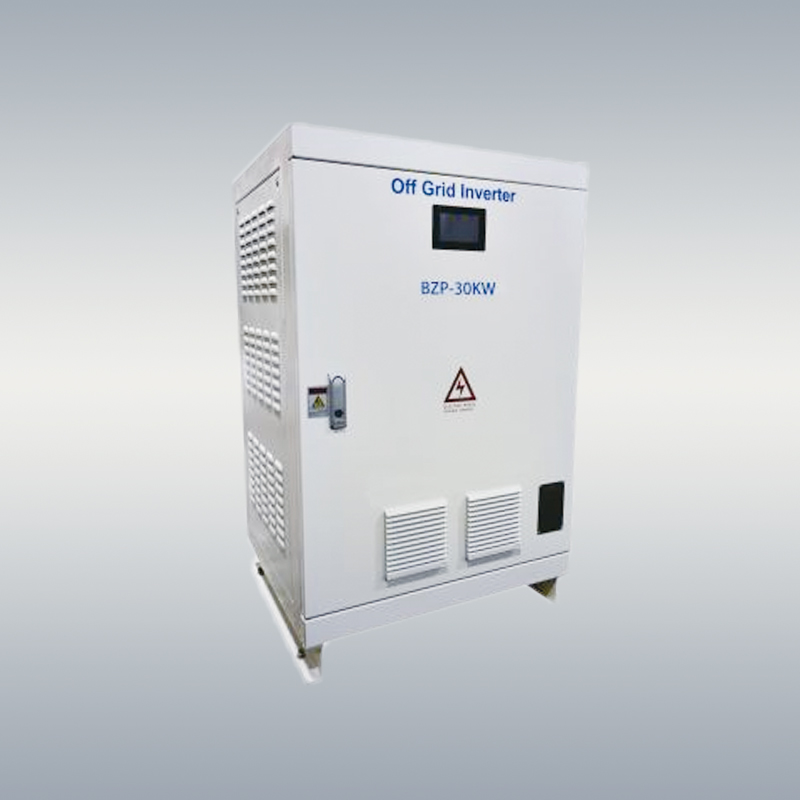
Pure Sine Wave Inverter
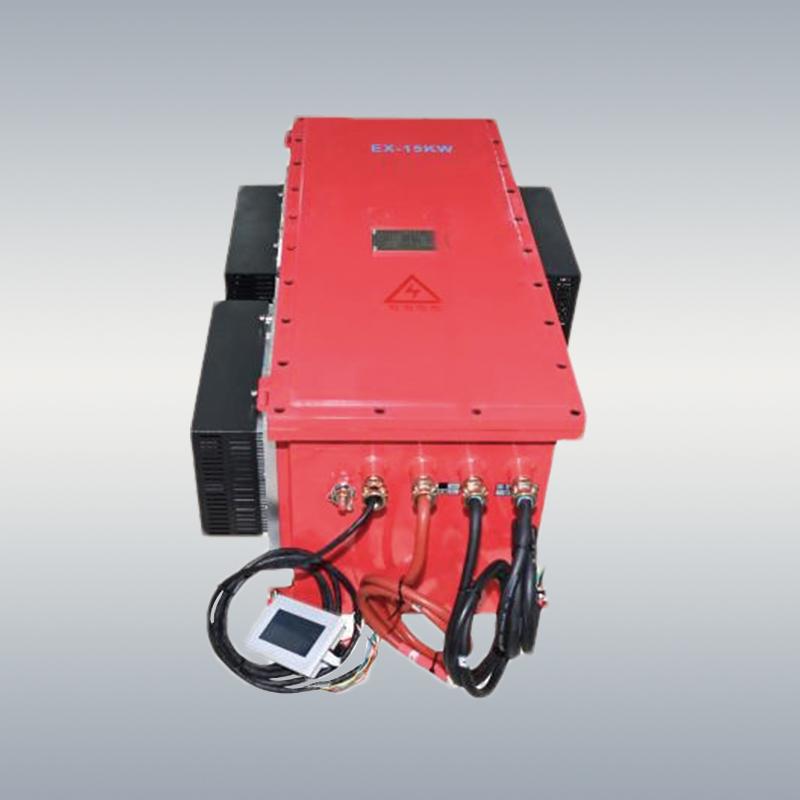
Explosion-Proof Inverter
When sourcing industrial marine inverters for fleet retrofit or commercial ship building, procurement engineers must evaluate critical design specifications beyond basic wattage ratings.
Marine inductive loads—such as watermaker high-pressure pumps, air-conditioning compressors, and electric anchor winches—can draw 3 to 5 times their nominal rated current during motor startup. Buyers should ensure the chosen inverter manufacturer provides guaranteed surge multipliers (e.g., 300% for 10s) backed by toroidal transformer isolation, preventing inverter shut-off or output voltage drop during startup.
Modern commercial boats frequently switch between shore grid AC, diesel generator AC, and inverter AC power. Integrated marine inverter chargers must include fast automatic transfer switches (ATS) with phase-matching logic to prevent severe AC backfeeding, reverse polarity damage, or system tripping during transfer.
With the maritime industry transitioning from Lead-Acid to Lithium Iron Phosphate (LiFePO4) battery banks, marine inverters must support multi-stage programmable charging profiles and direct RS485/CANbus communication with Battery Management Systems (BMS) to avoid high-voltage disconnect transients.
Boat engine compartments experience extreme heat and humidity. Sourcing IP54 or IP65 water-resistant, sealed chassis inverters featuring variable-speed fan cooling with forced duct paths prevents saltwater mist corrosion on critical control electronics.
Explore our full engineering line of high-voltage chargers, phase converters, and marine off-grid power units.
Technical guidance and sourcing information for marine power system engineers and buyers.
 Bangzhao Electric