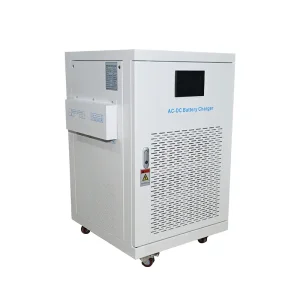
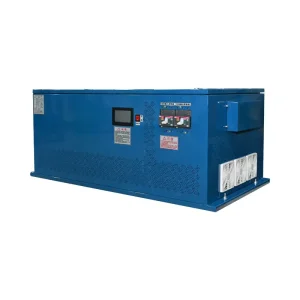
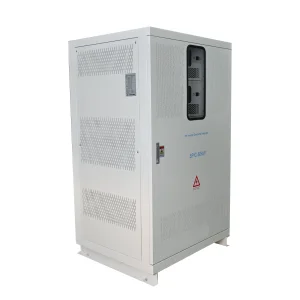
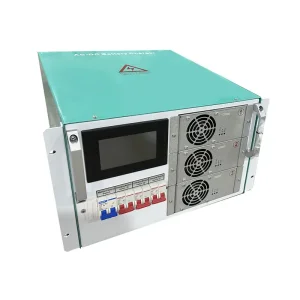
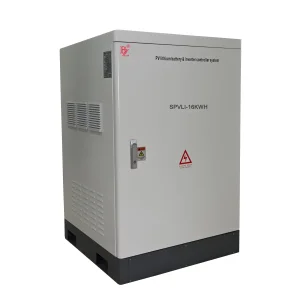
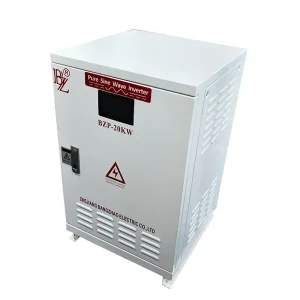
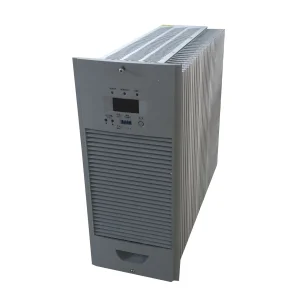
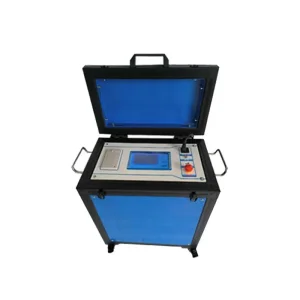
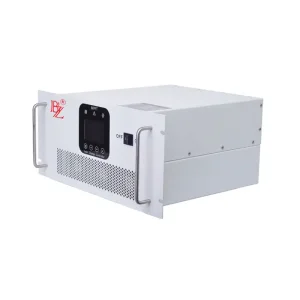
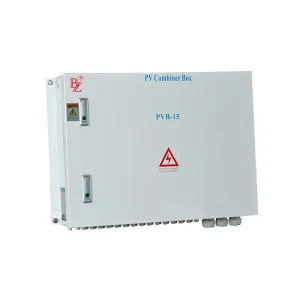
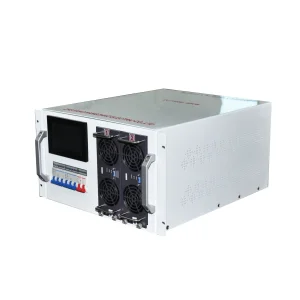
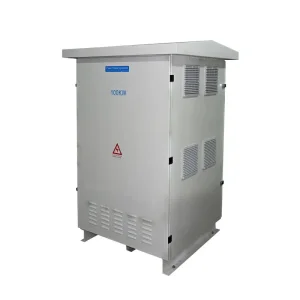
As the world pivots toward renewable energy, the solar panel controller (or solar charge regulator) has evolved from a simple gatekeeper into the "brain" of sophisticated microgrid systems. In the current global industrial landscape, the demand for high-efficiency energy management is no longer limited to residential rooftops. We are witnessing a massive shift towards utility-scale off-grid installations, marine-certified power systems, and specialized industrial energy storage solutions.
With global energy prices fluctuating, an extra 2-3% in conversion efficiency can save industrial operators thousands of dollars annually. Our MPPT controllers achieve 99.9% tracking efficiency, ensuring every photon is utilized.
The transition from Lead-Acid to Lithium (LiFePO4) requires advanced communication protocols (CANbus/RS485). Bangzhao’s controllers are natively compatible with high-voltage lithium battery stacks used in modern ESS.
In developing regions and remote islands, the stability of the controller determines the lifespan of the entire system. Our hardware is built to withstand extreme humidity and thermal variations found in 60+ countries.
What differentiates a premium China solar panel controller manufacturer from a standard assembly line? It lies in the Power Electronics Topology and the Digital Signal Processing (DSP) algorithms. At Bangzhao Electric, our roadmap focuses on three pillars:
Established in 2008, Bangzhao Electric Co., Ltd has dedicated over 15 years to the research and development of power conversion technology. Our high-performance product line stems from the collective expertise of domestic top 100 engineers. We don't just sell hardware; we provide complete system solutions for Lithium storage, PCS bi-directional power, and specialized marine/vehicle inverters.
Founded
Solutions
Patents
Countries
"Integrity, Rigorous, Pragmatic" is our pursuit. With 20% of annual sales reinvested into R&D, we remain at the cutting edge of the power industry.
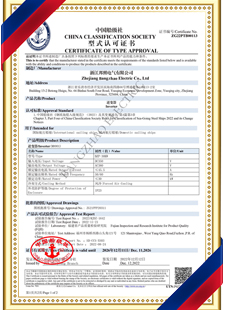
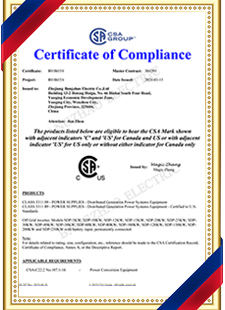
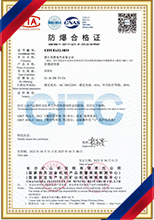
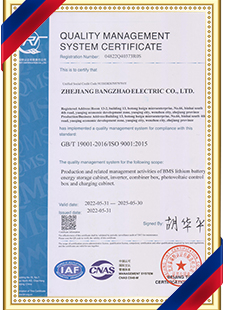
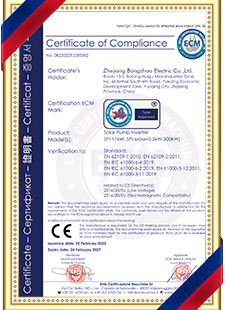
Our solar panel controllers meet stringent international standards including CE, RoHS, and specialized Marine certifications (CCS). We ensure that every export complies with local grid codes and safety regulations.
We provide 24/7 technical localized support for major projects. Whether it's an island microgrid in Southeast Asia or a mining site in Australia, our engineers offer remote diagnostics and configuration assistance.
Understanding that one size doesn't fit all, we offer extensive customization—from enclosure IP ratings (up to IP65) to specific firmware adjustments for unique battery chemistries.
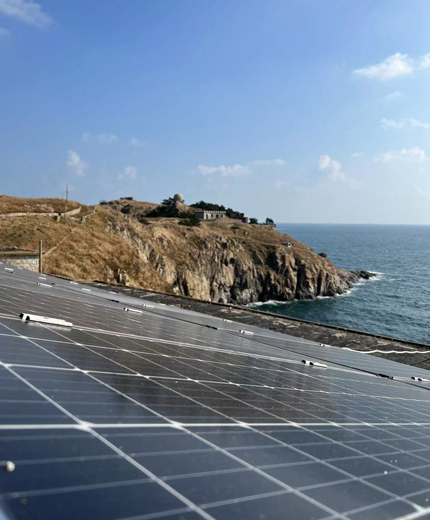
Providing stable power for remote islands, our controllers manage PV-Diesel hybrid systems to ensure 24/7 electricity without heavy reliance on fuel imports.
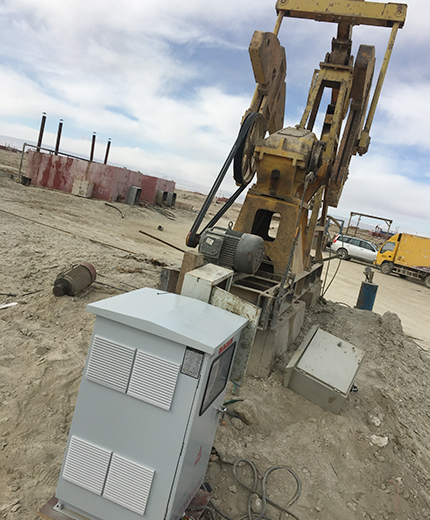
In harsh desert environments, our high-voltage MPPT regulators drive oil pumps directly, reducing carbon footprints for the petrochemical industry.

Corrosion-resistant designs and vibration-proof internals make our systems ideal for maritime vessels and offshore platforms.
MPPT (Maximum Power Point Tracking) technology is essential for industrial applications because it allows the solar array to operate at its peak power voltage, regardless of battery voltage. This typically results in 20-30% more power yield compared to PWM, especially in colder climates or when the PV voltage is significantly higher than the battery voltage.
Yes. We specialize in high-voltage DC systems (50VDC-750VDC). Our controllers feature programmable charging profiles and integrated communication protocols (CAN/RS485) to synchronize perfectly with modern Lithium-ion and LiFePO4 Battery Management Systems (BMS).
Our controllers utilize oversized heat sinks and intelligent variable-speed cooling fans. For extreme environments, we offer industrial-grade components rated for high temperatures and optional IP65-rated enclosures for outdoor installation.
Our PV Inverter-Controller Integrate units are designed for off-grid or microgrid applications. However, they can be part of an AC-coupled system where they manage the energy storage side while interacting with grid-tied inverters.
Standard units typically ship within 2-3 weeks. Highly customized OEM projects or large-scale industrial orders may take 4-6 weeks depending on component specifications and testing requirements.
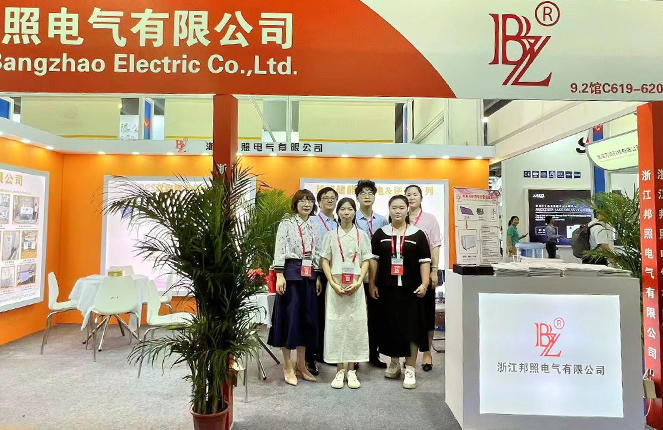
 Bangzhao Electric