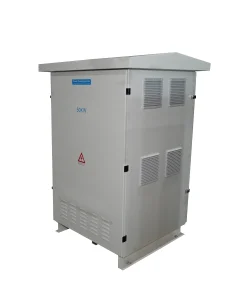
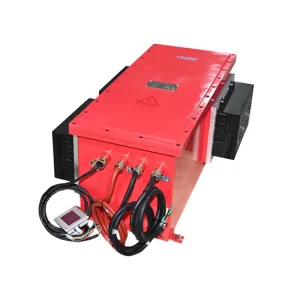
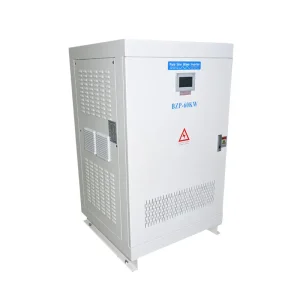
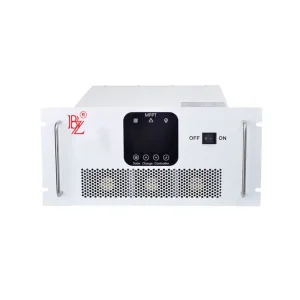
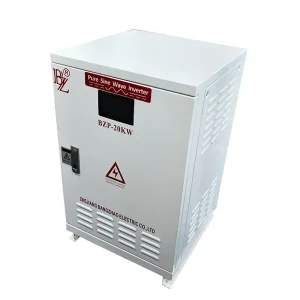
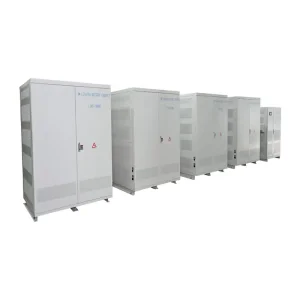
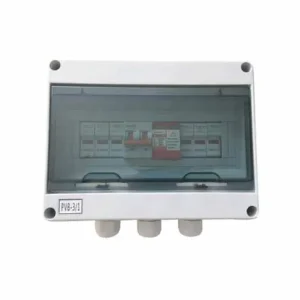
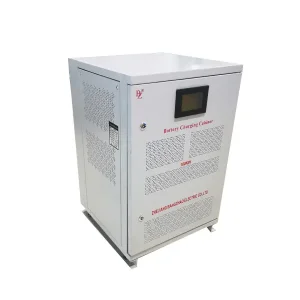
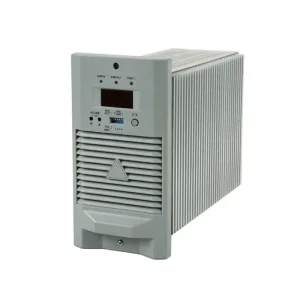
The global maritime industry is undergoing a paradigm shift towards electrification and digitalization. As vessels become increasingly sophisticated, the demand for stable, "utility-grade" power at sea has never been higher. China's Pure Sine Wave Boat Inverter factories are at the forefront of this revolution, bridging the gap between raw battery storage and sensitive onboard electronics.
Traditional modified sine wave inverters are no longer sufficient for modern nautical applications. High-end navigation systems, medical equipment on research vessels, and advanced induction cooking suites require a Total Harmonic Distortion (THD) of less than 3%. Our factory's commitment to low-frequency isolation technology ensures that boat owners receive power that is cleaner than the shore grid.
By integrating Bangzhao Electric’s proprietary control algorithms, we provide solutions that not only convert power but manage it. From small yachts to large commercial transporters, our macro-level solutions focus on energy resilience, ensuring that critical systems remain operational even in the most challenging maritime conditions.
Established in 2008, Bangzhao Electric Co., Ltd has spent over a decade specializing in the development and supply of high-performance power products. Our technical foundation is built by a team of domestic top 100 engineers, driving innovation in Lithium battery storage, PCS bi-directional power supplies, and specialized Marine Inverters.
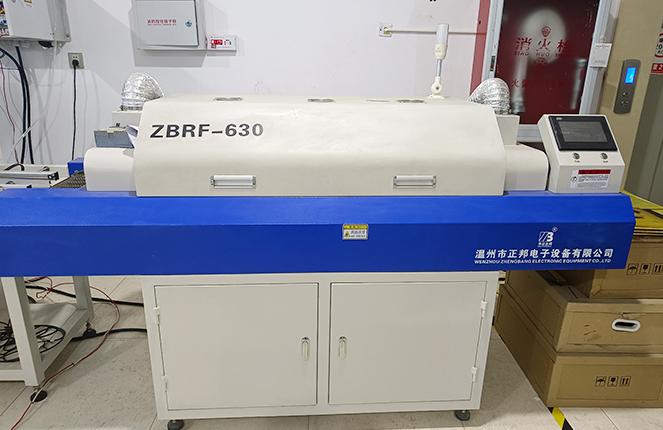
"Integrity, Rigorous, Pragmatic" is our continuous pursuit. We invest over 20% of our annual sales into R&D, ensuring our status as a cooperative supplier for global industry giants. Our Marine inverters are specifically engineered to withstand salt spray, vibration, and thermal fluctuations common in aquatic environments.
China currently supplies over 70% of the world's marine power conversion equipment. Our factory leverages this supply chain efficiency to offer bespoke OEM/ODM services.
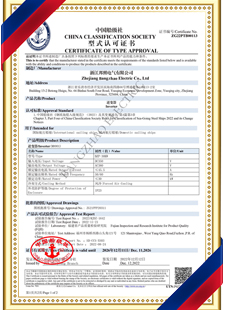
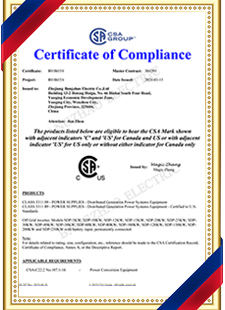
The industry is moving toward CCS, CE, and RoHS compliance as baseline requirements. We lead the way with rigorous testing for EMI/EMC interference.
Modern industrial status favors hybrid systems. Our inverters are now designed to communicate directly with BMS (Battery Management Systems) via RS485/CAN bus.
Whether you are operating in the North Sea, the Gulf, or the Asia-Pacific, our boat inverters are adjustable to meet local voltage (110V/120V/220V/230V/240V) and frequency (50Hz/60Hz) standards. We provide specific Galvanic Isolation to prevent hull corrosion—a critical localized compliance factor for steel and aluminum hulls.
E-E-A-T principles dictate that "Trustworthiness" comes from support. Bangzhao Electric maintains a global network of partners to provide local technical consultations, ensuring that any downtime is minimized. Our products come with multilingual documentation and remote diagnostic capabilities.
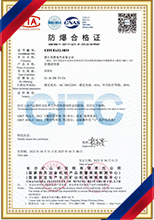
Providing silent, vibration-free power for air conditioning, AV systems, and lighting without the need for constant generator noise.
Powering refrigeration units and heavy-duty sonar equipment that requires high surge currents during startup.
Ensuring emergency backup power for communication and life-safety systems in isolated, high-humidity environments.

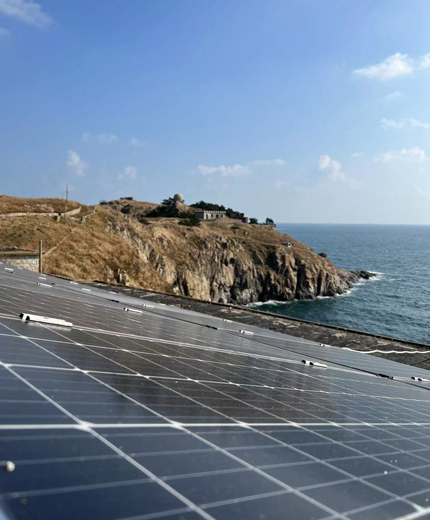
Solar energy conversion for remote islanders, providing stable clean power through off-grid inverters.
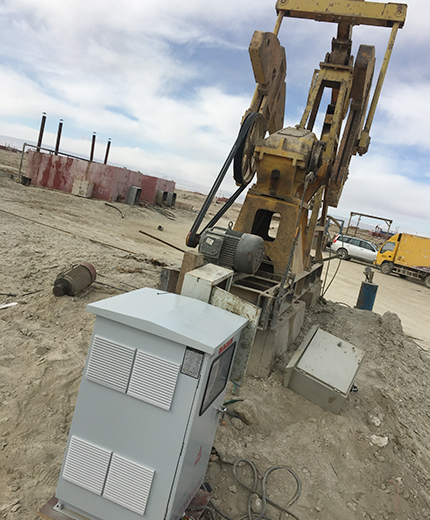
Utilizing high-efficiency PV inverters for green oil extraction in harsh environments.
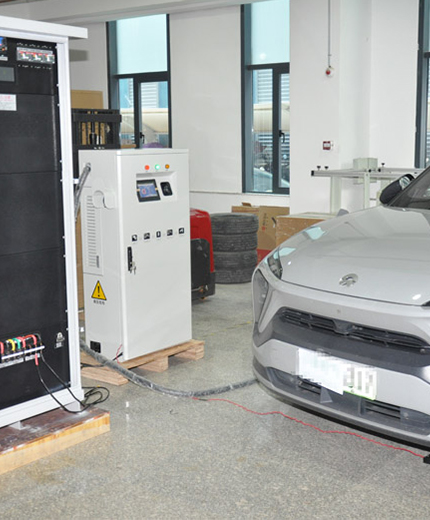
Integrating inverter and energy storage technologies for sustainable EV charging solutions.
The next generation of Bangzhao Marine Inverters will utilize Gallium Nitride (GaN) and Silicon Carbide (SiC) semiconductors. This will reduce heat generation by 30% and increase efficiency to over 97%, allowing for more compact designs.
We are developing AI modules that predict power consumption patterns on vessels, optimizing battery discharge rates to extend lithium battery life by up to 20% through "Smart-Inversion" logic.
Future models will feature native NMEA 2000 connectivity, allowing the inverter's status to be monitored directly on the vessel's Multi-Function Displays (MFD) like Garmin or Raymarine.
 Bangzhao Electric