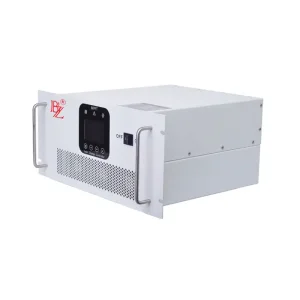
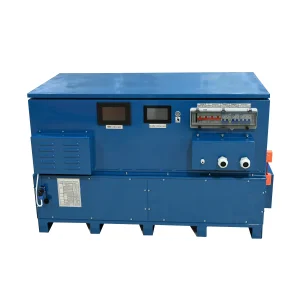
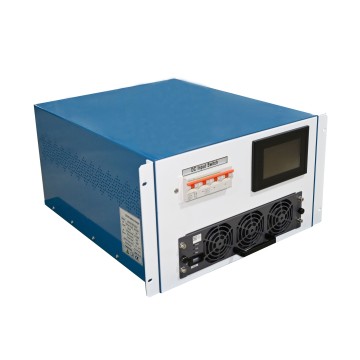
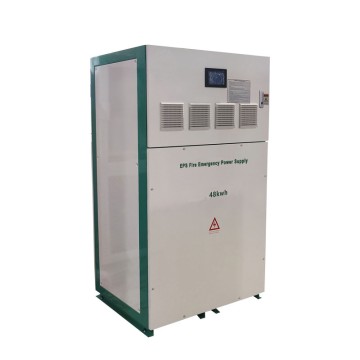
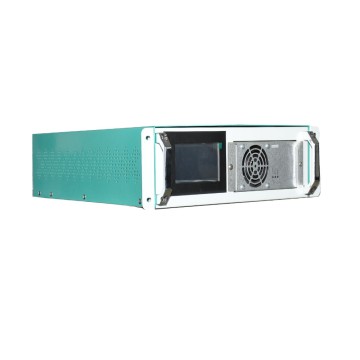
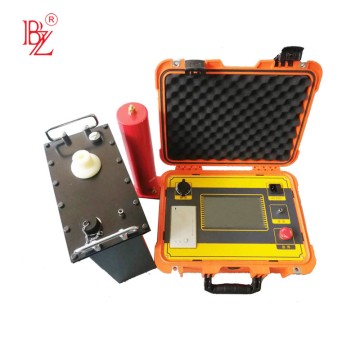
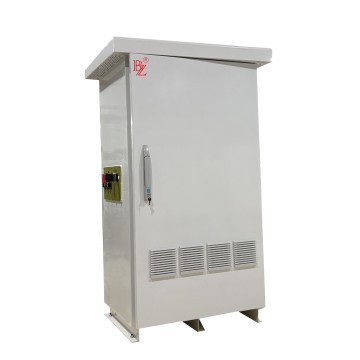
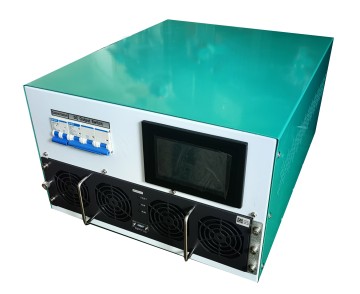
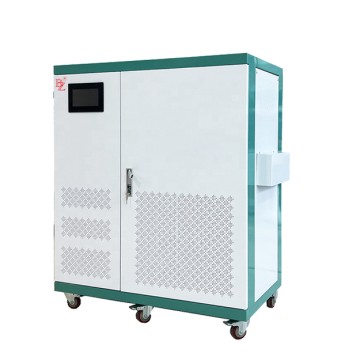
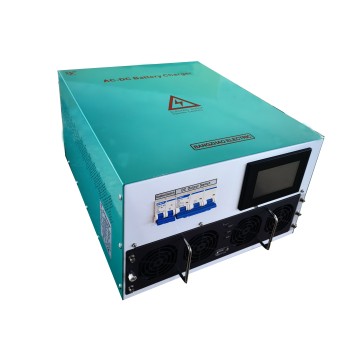
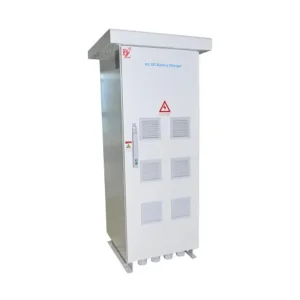
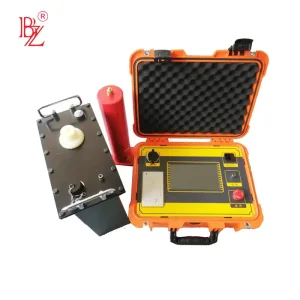
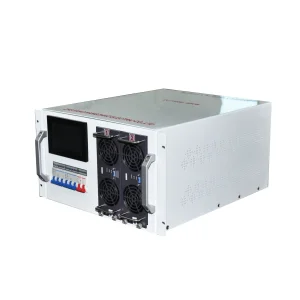
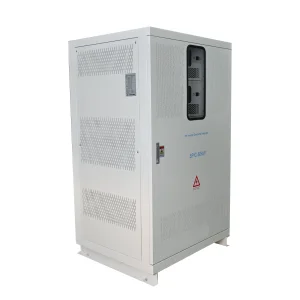
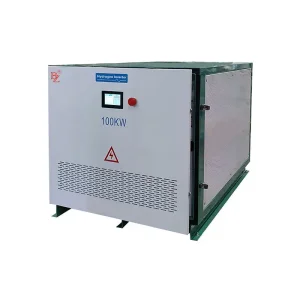
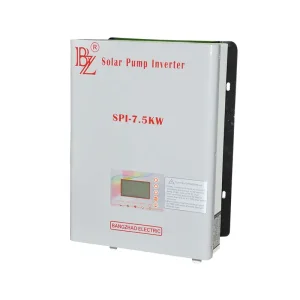
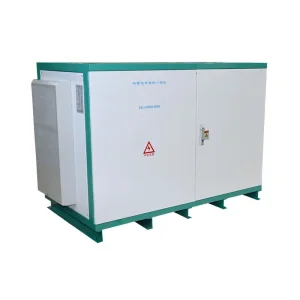
Explore our foundational range of heavy-duty AC/DC rectifiers, high-voltage battery chargers, and specialized power conversion systems engineered for reliability.
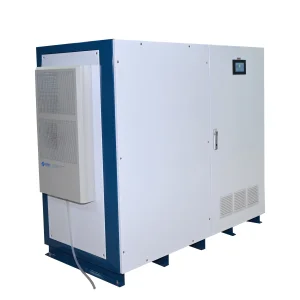
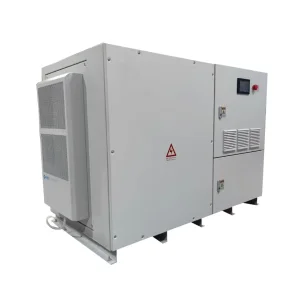
Established in 2008, Bangzhao Electric Co., Ltd. is a globally recognized pioneer in high-capacity power electronics. Our engineering team, supported by top industry researchers, is dedicated to developing clean, stable, and highly efficient systems. Over the past decade, we have consistently invested more than 20% of our annual sales into technological R&D, resulting in a broad intellectual property portfolio and multiple international certifications.
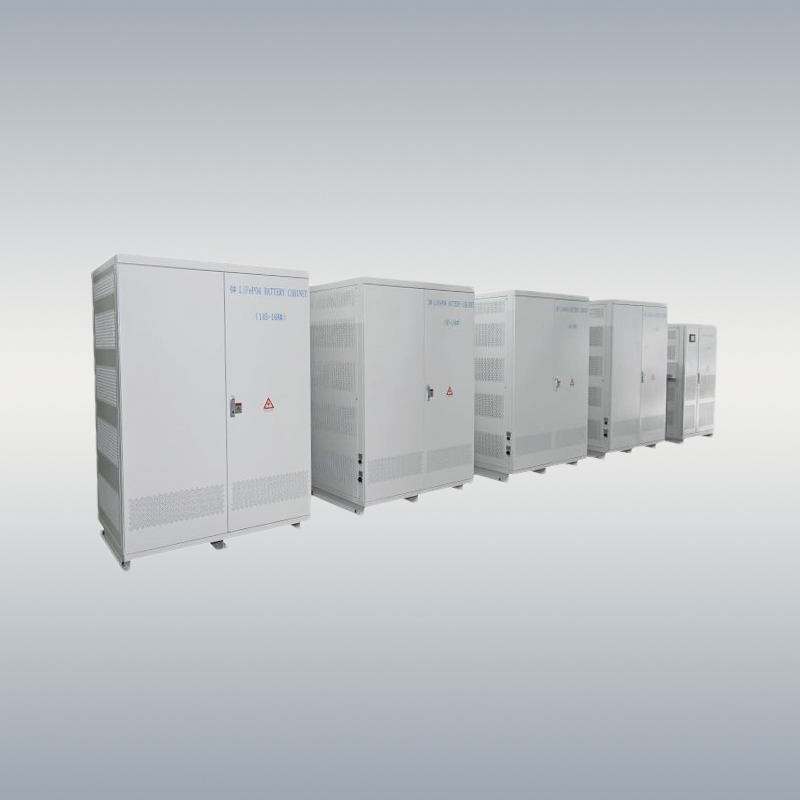
We deliver comprehensive hardware solutions for diverse global projects, focusing on Lithium Battery Energy Storage Systems (BESS), PCS Bidirectional Converters, Pure Sine Wave Inverters, Marine & Heavy Vehicle Inverters, Explosion-Proof Units, and Advanced Industrial AC/DC Chargers. Our products serve critical infrastructure sectors, including solar utilities, wind power installations, hydropower plants, marine transport, aviation systems, automation pipelines, and medical facilities.
Analyzing key market drivers, technical standards, and supply considerations in modern power electronic procurement.
Enterprise buyers evaluate efficiency curves above raw procurement cost. High-frequency topologies utilizing Silicon Carbide (SiC) semiconductors reduce thermal loss, minimizing lifetime operational and HVAC overheads.
Deploying high-power equipment requires low Total Harmonic Distortion (THD < 3%) and Power Factor Correction (PFC > 0.99) to comply with local utility guidelines (IEEE 519, EN 61000-3-12) without destabilizing the local grid.
Modern systems integrate parallel N+1 power modules. If a single module goes offline, the remaining modules maintain continuous system operation, avoiding critical unscheduled downtime.
A comparative overview of our industrial power platform configurations, showcasing topology options for various operational requirements.
| System Configuration | Input Range | Output Capabilities | Cooling Design | Application Enclosure |
|---|---|---|---|---|
| 3-Phase Industrial Charger | 380V - 480VAC (±15%), 50/60Hz | 50VDC - 1000VDC (Constant Power Range) | Forced Air Cooling (Intelligent Fan Control) | IP54 Outdoor Cabinets (Double-layer Anti-corrosion) |
| Custom High-Current AC/DC Source | 220VAC / 380VAC 3-Phase | Up to 1000A Output Current | Liquid Cooling / Closed Loop (Custom Option) | IP20 Rack / Custom NEMA 3R |
| PV-Electric Hybrid BESS Charger | Hybrid: DC PV Input + AC Grid Utility | 50VDC - 750VDC / Custom Lithium Pack matching | Natural Convection / Active Internal Airflow | Integrated Outdoor Storage Container (IP54 / IP65) |
| Marine Grade AC/DC Rectifier | 3-Phase 400VAC / 440VAC / 690VAC | 24VDC, 110VDC, 220VDC Auxiliary Support | Marine Ingress-optimized Forced Air | CCS Marine Class Certification Compliance Enclosure |
Our AC/DC charging stations use a Phase-Shifted Full-Bridge (PSFB) resonant converter topology with Zero Voltage Switching (ZVS) or Zero Current Switching (ZCS) options. Transitioning from traditional silicon SCR topologies to SiC MOSFETs helps reduce switching losses, lower component volume, and maintain stable DC output with less ripple voltage.
Bangzhao industrial chargers support multiple CAN bus communication profiles (including CAN 2.0A/B and Modbus TCP/RTU). This allows for deep integration with third-party Battery Management Systems (BMS), enabling real-time adjustments to charge curves based on voltage, current limit demands, and battery cell temperatures.
Explore our extensive range of high-efficiency inverters, solar regulators, hybrid storage configurations, and auxiliary testing gear.
Our systems operate reliably in challenging geographic zones, providing essential power conversions for commercial and public sector projects.
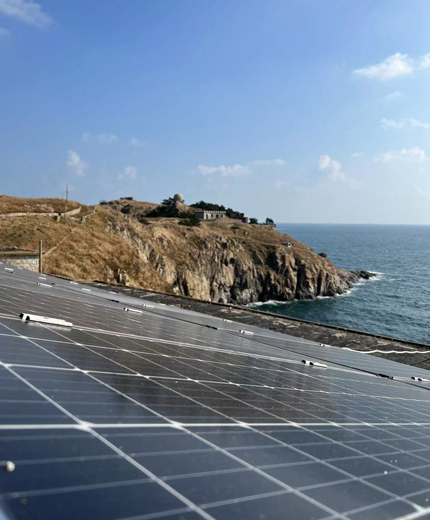
Converts solar energy into electricity and stores it in batteries to provide a stable, clean power supply for remote islands. The system is designed to handle marine salt-fog exposure and operates independently to reduce reliance on imported fossil fuels.
Explore Integration Details →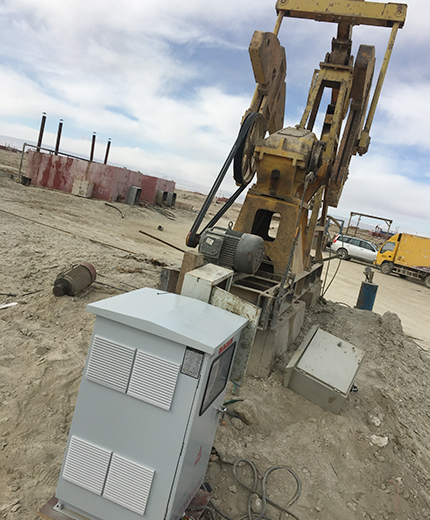
Uses photovoltaic generation to power oil pumping units in remote fields. System features include high transient overload capabilities, integrated frequency converters, and galvanic isolation, helping to lower local emissions in oil extraction fields.
Explore Integration Details →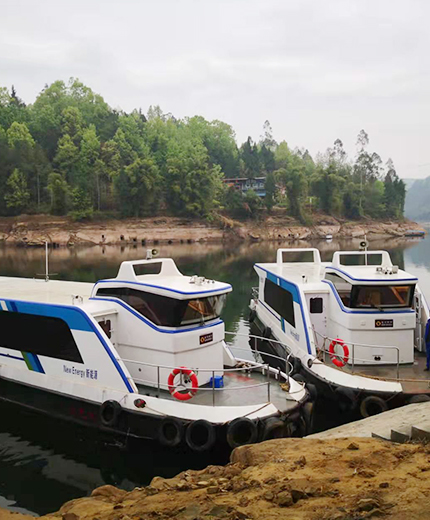
Powers critical onboard equipment. Built to meet marine classification standards (CCS), the system features mechanical shock mounting, low-frequency isolation, and dynamic voltage stabilization to handle marine pitch and roll conditions.
Explore Integration Details →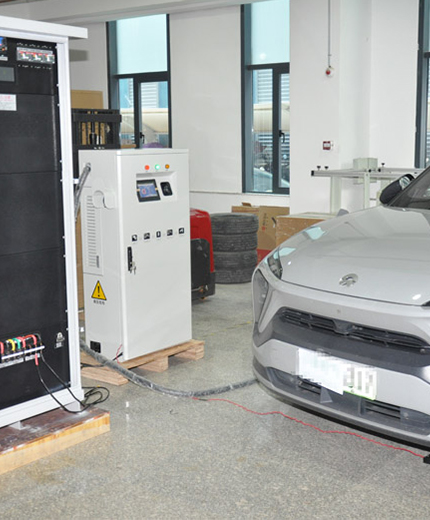
Combines grid charging with peak-shaving batteries to manage high-power EV charging demands without overloaded municipal grids. This system supports electric vehicle infrastructure by buffering grid loads.
Explore Integration Details →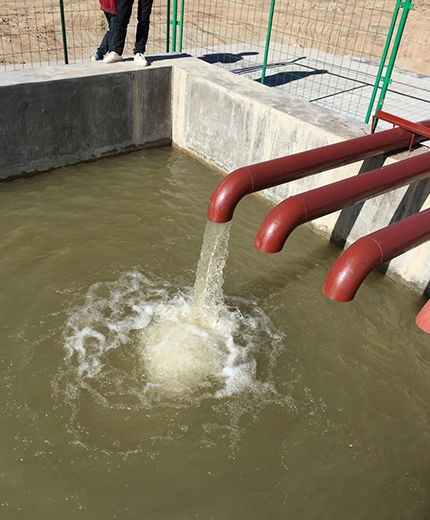
Designed for agricultural irrigation and municipal water delivery using three-phase AC pumps powered directly by solar modules. It includes built-in MPPT logic, variable frequency soft-start features, and optional dual-input utility line failover.
Explore Integration Details →A look at the key technologies and milestones driving our ongoing R&D efforts.
Integrating bidirectional Active Front End (AFE) topologies into our AC/DC lines reduces harmonic distortion and allows power to feed back to the grid during battery discharge operations.
Transitioning to SiC switches helps reduce overall chassis sizes and weight by up to 35%, while pushing full-load efficiency beyond 98% in high-power setups.
Integrating IoT gateways with MQTT and OCPP protocols enables remote monitoring, predictive maintenance, and real-time adjustment of charging parameters.
Our operations comply with major international quality and performance standards.
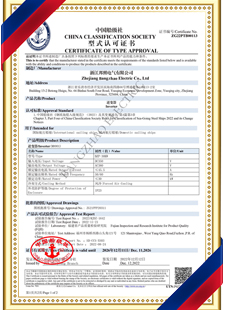
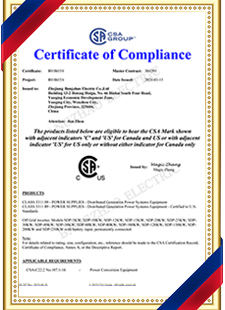
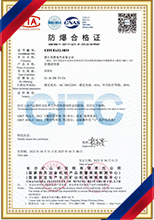
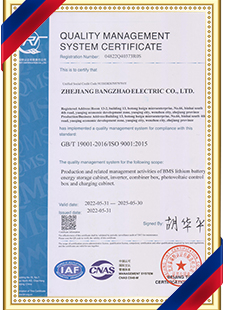
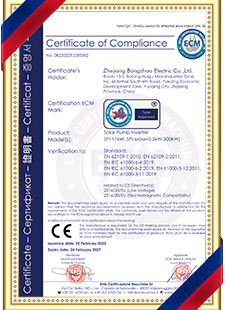
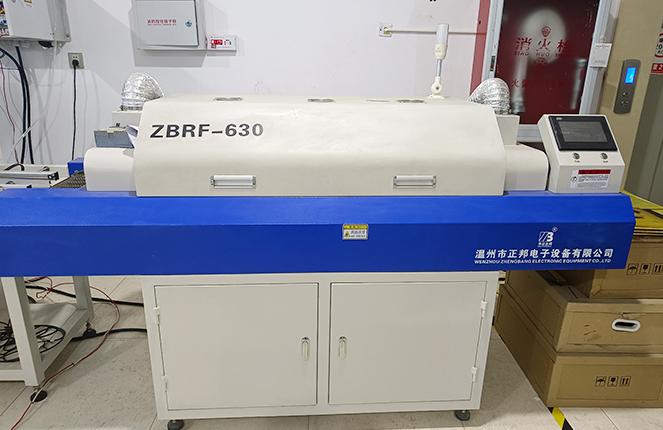
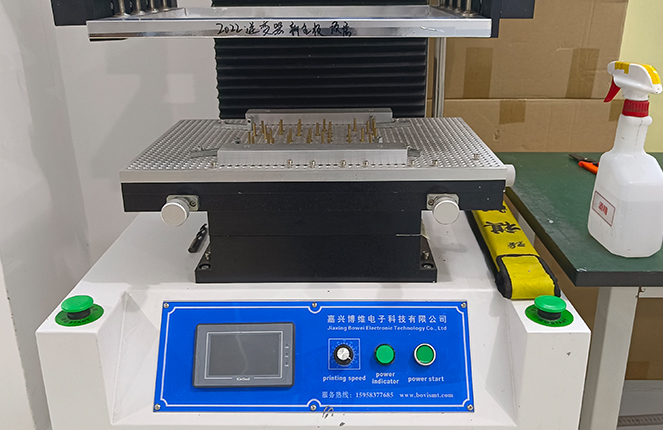
Our manufacturing and testing operations are designed to meet strict international standards for power systems.
Watch our industrial power products in action, from manufacturing to full-load test setups.
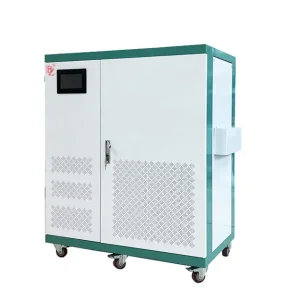
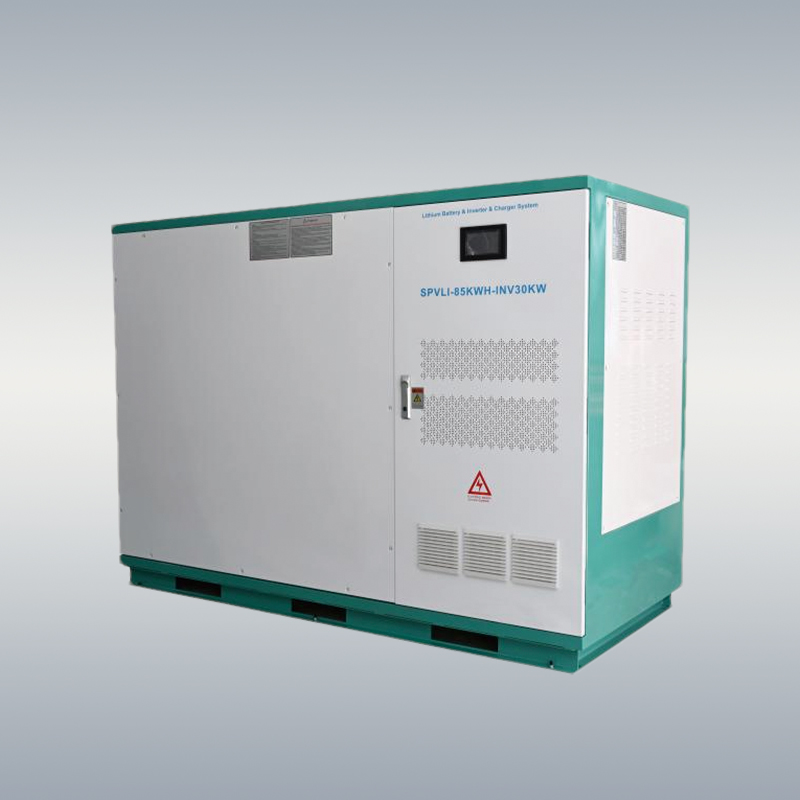
86kwh storage system
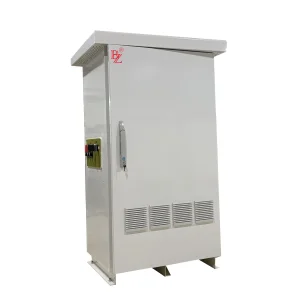
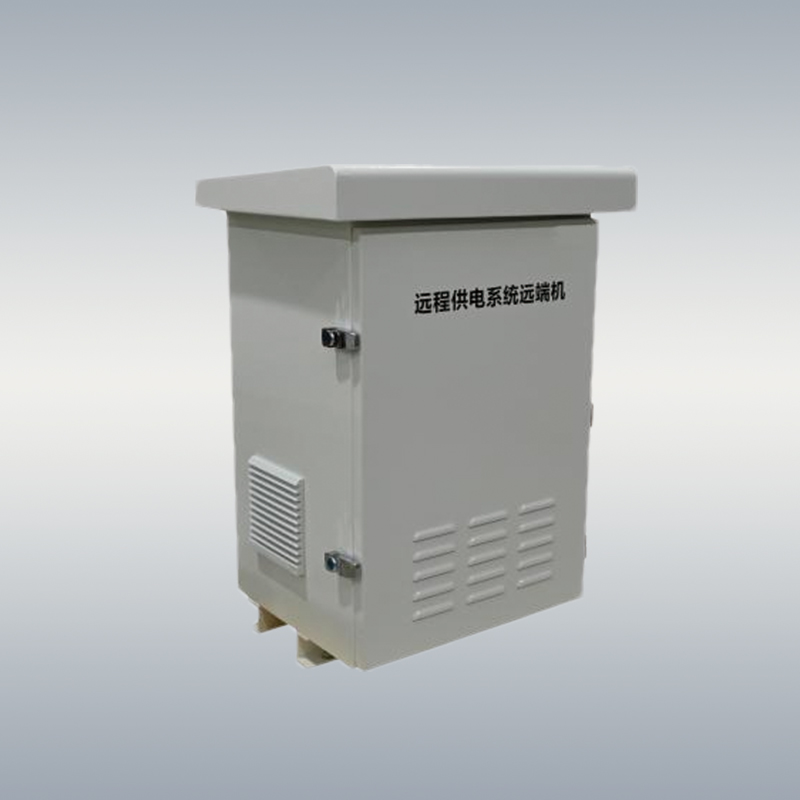
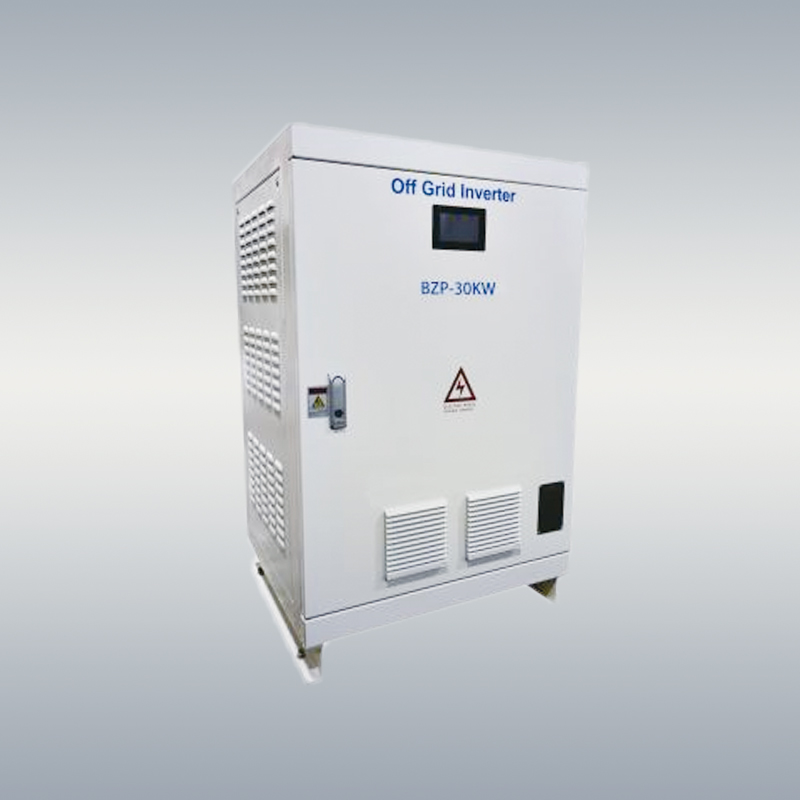
outdoor power inverter
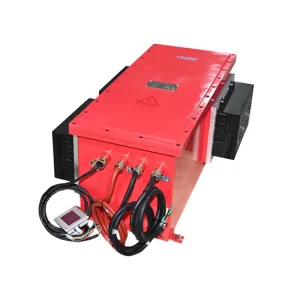
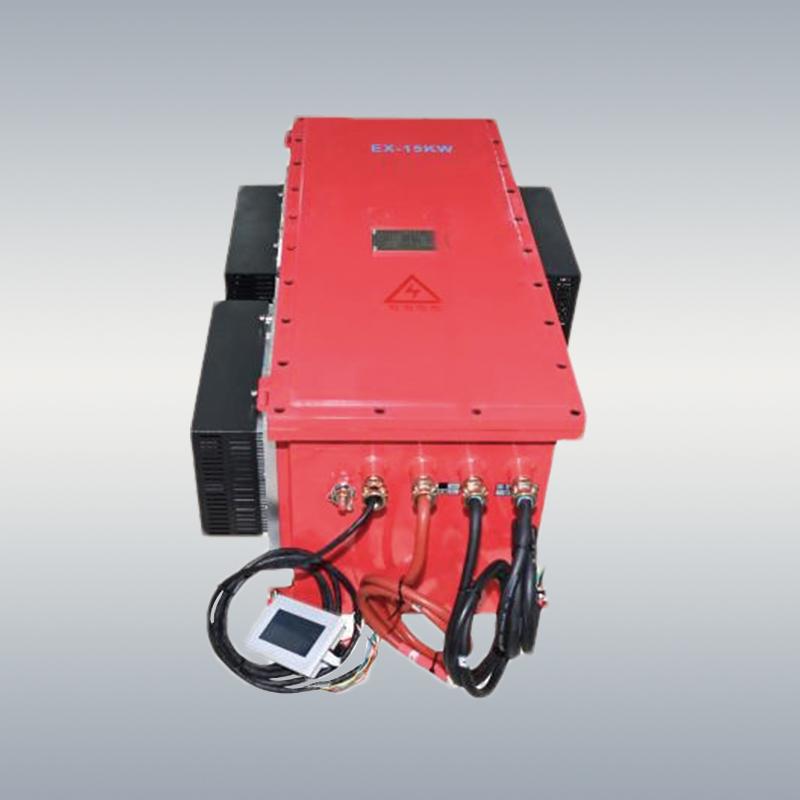
Explosion-proof power inverter
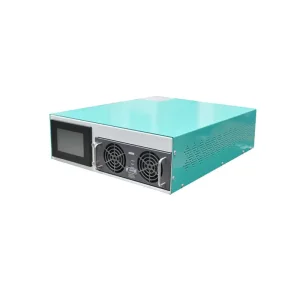
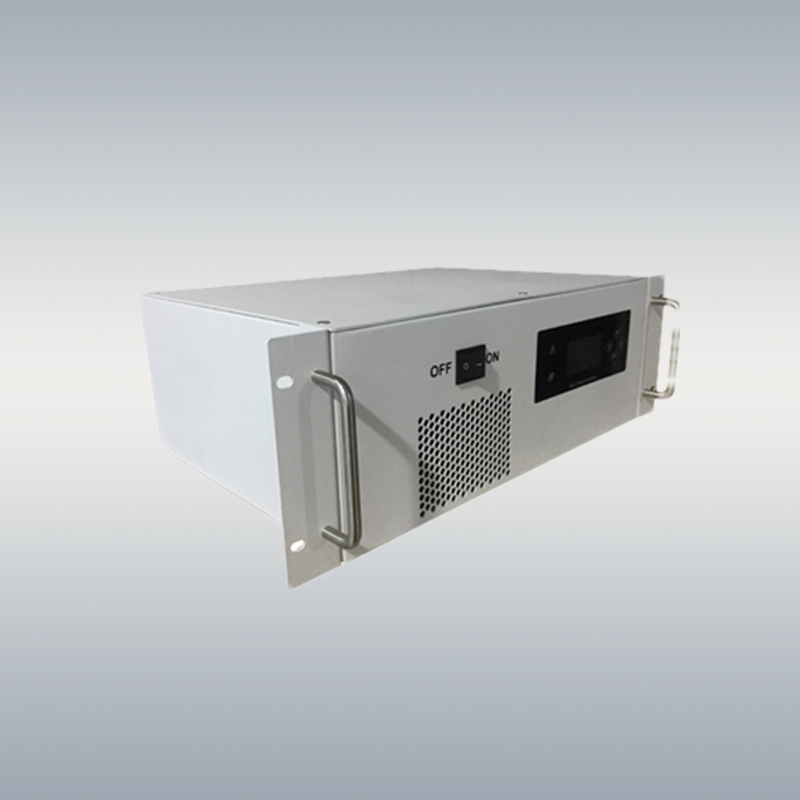
Rack type solar charge controller
600kwh cell welding
Company Profile
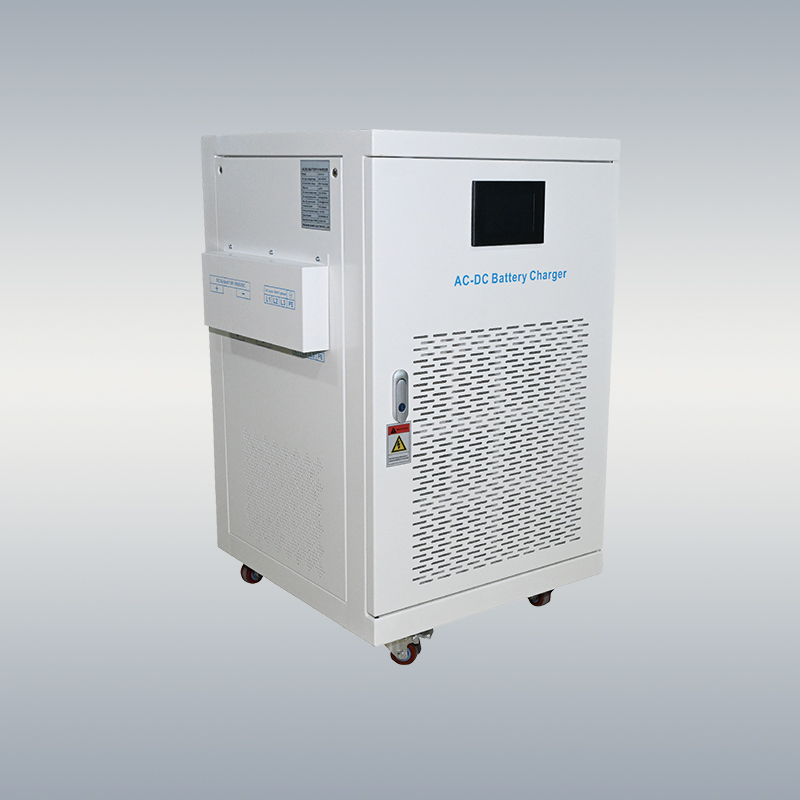
3 Phase AC-DC Battery Charger
Pure Sine Wave Inverter
Technical answers to common questions about industrial AC/DC power conversion systems and custom orders.
Key factors include: matching the DC output voltage range to the battery pack configuration (such as 50VDC to 1000VDC limits), ensuring the communication protocols (CAN 2.0B / Modbus TCP) align with the battery BMS, confirming the thermal management capacity matches local ambient conditions, and ensuring compliance with relevant grid codes (like UL1741 or IEC 62477-1).
Galvanic isolation physically separates the input AC grid line from the output DC load. This prevents high-voltage transients on the grid side from damaging the DC batteries or electronic components downstream, while reducing ground loop noise and improving safety for onsite operators.
An IP54 rating requires protection against dust and water splashes while managing the heat generated by a 240kW system. This is achieved by using sealed, double-layer cabinet walls with internal air-to-air heat exchangers or isolated airflow channels that cool components without exposing internal boards to outdoor dust or moisture.
Customization options include wide AC input ranges (including 480V or 690V systems), adjustable DC output limits (up to 1500VDC or 1000A), marine class compliance (such as CCS standards), dynamic load balancing firmware, and rugged enclosures for high-temperature or high-altitude installations.
Explore our heavy-duty industrial charging configurations, high-voltage test units, and hybrid power management components.
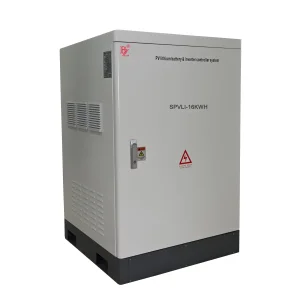
 Bangzhao Electric