 Bangzhao Electric

Canada’s Photovoltaic Evolution: A Strategic Deep Dive
Understanding local market dynamics, technical challenges, and the role of high-tier manufacturing.
1. The Canadian Solar Landscape: Current Realities & Growth Trajectory
Canada’s commitment to achieving Net-Zero emissions by 2050 has catalyzed a massive shift toward decentralized solar infrastructure. Unlike other markets, Canada presents a unique "Dual Challenge": the need for massive scalability in urban centers like Toronto and Vancouver, and the requirement for ruggedized, isolated power systems in Northern territories (Yukon, Nunavut).
Provinces like Alberta and Ontario are leading the charge. Alberta, in particular, has seen a surge in utility-scale solar due to its deregulation and high solar irradiance. However, the Canadian PV accessory market is increasingly focused on "Resilience Engineering"—components that can withstand temperatures as low as -40°C while maintaining high conversion efficiency.
2. Localized Application Scenarios: Beyond the Rooftop
While residential solar is growing, the real "Information Gain" for developers lies in specialized applications:
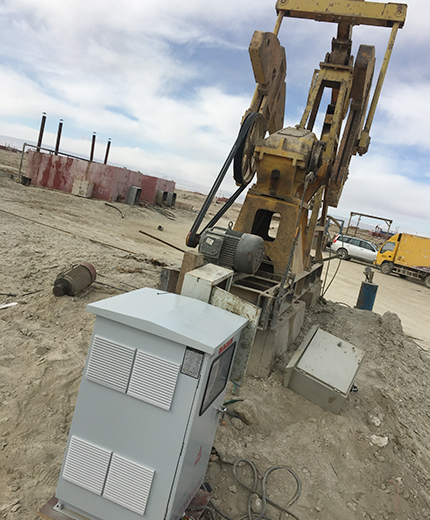
- Mining & Remote Industrial Sites: Replacing diesel generators with hybrid solar-lithium storage systems to reduce carbon taxes and logistics costs.
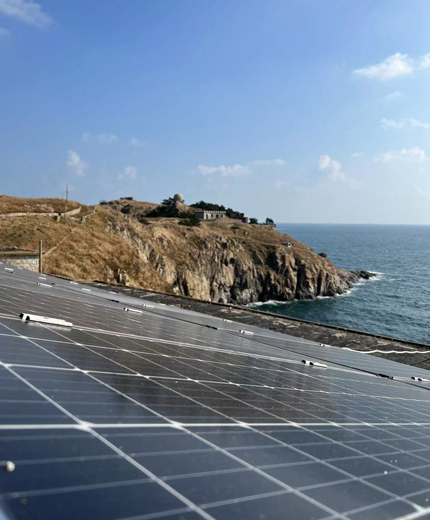
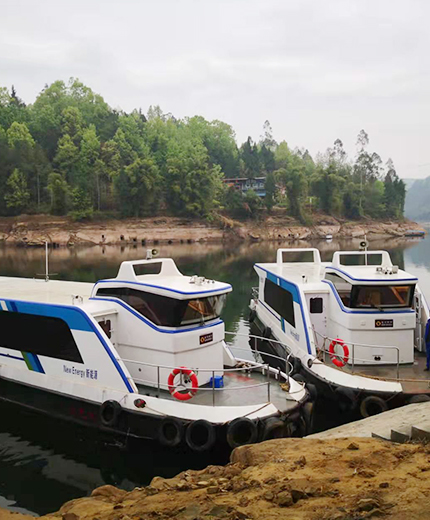
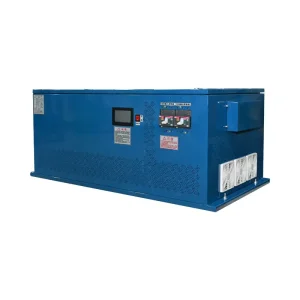
- Marine & Coastal Infrastructure: Utilizing IP54/IP65 rated isolated inverters for Newfoundland and BC's maritime fleets and lighthouse microgrids.
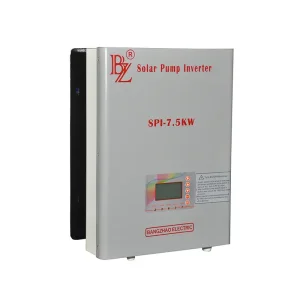
- Agri-Voltaics in the Prairies: High-voltage MPPT solar regulators powering massive irrigation systems in Saskatchewan and Manitoba.
3. Technical Roadmap: The Push for 1000V+ Systems
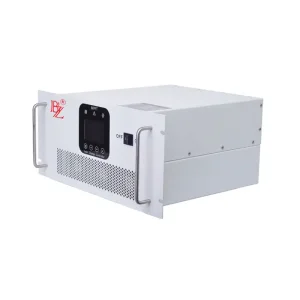
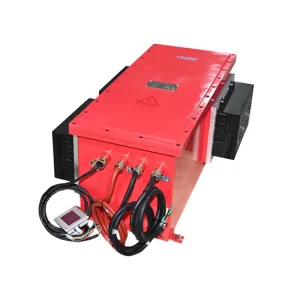
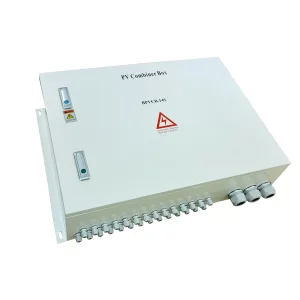
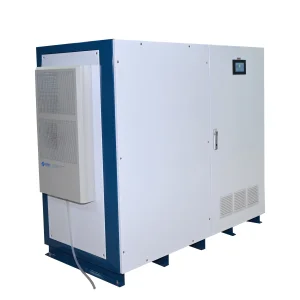
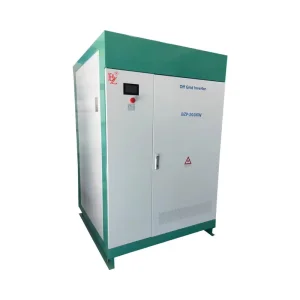
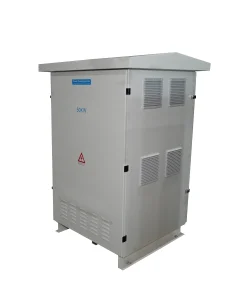
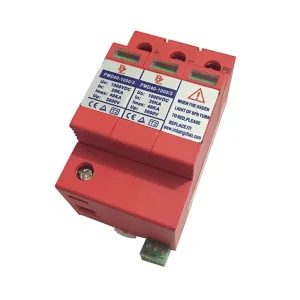
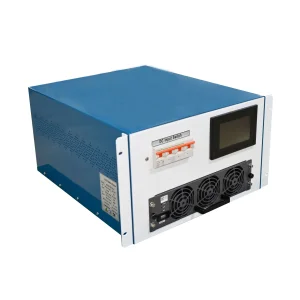
The industry is moving from 600V to 1000V and even 1500V DC systems to minimize transmission losses. This shift demands superior Photovoltaic Combiner Boxes and Anti-surge Protectors. Our technical roadmap focuses on Wide Bandgap (WBG) semiconductors and smart digital phase converters that allow seamless integration between Canadian 3-phase industrial grids and localized solar arrays.
4. Why China’s Supply Chain Resilience Matters to Canada
The "China-to-Canada" supply chain for PV accessories is not just about cost; it is about speed-to-market and iterative innovation. While local Canadian distributors provide immediate stock, Chinese factories like Bangzhao offer the ability to customize hardware at the firmware level—allowing inverters to communicate with specific Canadian grid-tie protocols or unique battery management systems (BMS).
5. Compliance and Reliability: The CSA & UL Standard Interface
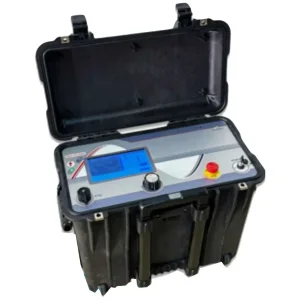
Safety is paramount in the Canadian market. All PV accessories must adhere strictly to CSA C22.2 No. 107.1 standards. Our manufacturing process integrates rigorous testing for dielectric loss and lightning protection, ensuring that every combiner box and inverter exported to Canada meets or exceeds North American reliability benchmarks.