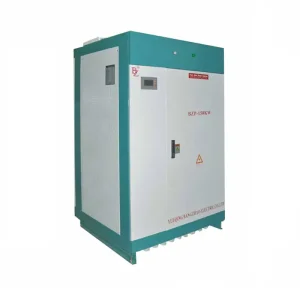
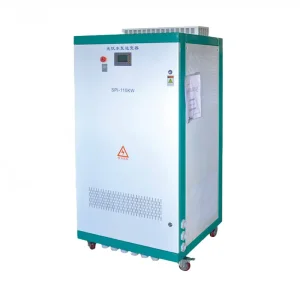
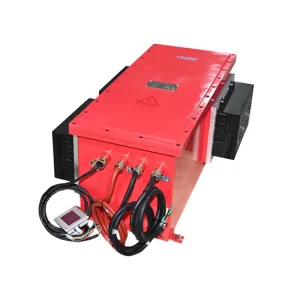
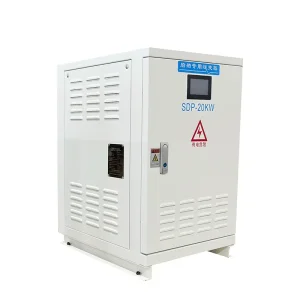
Tokyo, as one of the world's most dense and technologically advanced megalopolises, faces a unique energy challenge: the transition from centralized nuclear and fossil fuel power to a decentralized, resilient "Smart City" grid. As the Tokyo Metropolitan Government (TMG) pushes for a 50% reduction in greenhouse gas emissions by 2030, the demand for high-efficiency DC-AC power inverters has surged.
For industrial facilities in the Keihin Industrial Zone and high-rise commercial hubs in Shinjuku and Marunouchi, the reliability of DC-AC power conversion is not just a preference—it is a critical requirement for disaster preparedness and green energy integration. Bangzhao Electric Co.,Ltd stands at the forefront of this shift, providing Tier-1 Chinese manufacturing excellence tailored to the rigorous Japanese JIS (Japanese Industrial Standards) and local grid requirements.
Founded Year
Annual R&D Reinvestment
Proprietary Solutions
Countries Served
Patent Certificates
Unlike standard budget inverters, our units utilize high-frequency isolation technology. This is critical for Tokyo's sensitive R&D labs and hospital equipment in Bunkyo City, protecting hardware from DC leakage and potential grid surges.
With Tokyo's high commercial electricity rates, every percentage point of efficiency translates to thousands of dollars saved. Our non-isolated marine and industrial inverters reach peak efficiency of 93%, leading the industry in thermal management.
Total Harmonic Distortion (THD) is kept below 3%. This ensures that even the most sensitive Japanese precision machinery—from CNC tools to medical imaging—operates without interference.
The synergy between China’s massive manufacturing ecosystem and Tokyo’s high-tech demand allows for rapid customization that domestic Japanese manufacturers often cannot match in lead time. As a factory-direct supplier, Bangzhao offers:
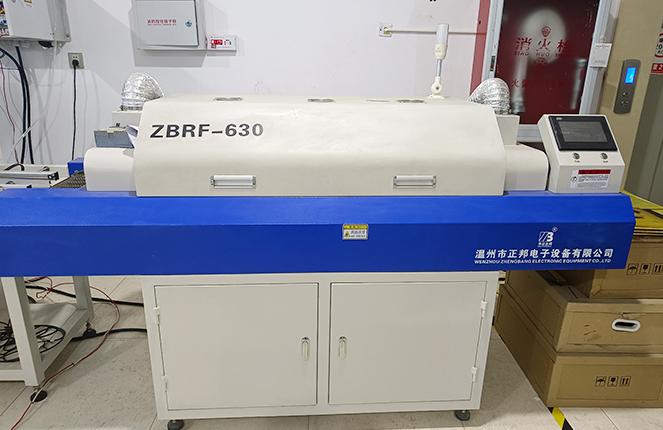
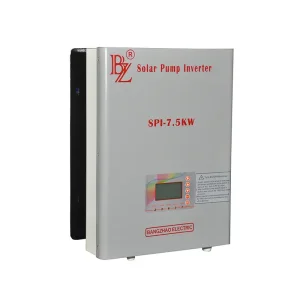
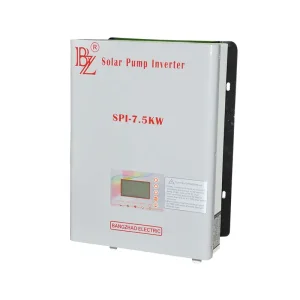
Whether it's a rack-mounted 10KW unit for a data center in Otemachi or a 250KW solar pump for agricultural zones in Western Tokyo, our production lines are agile. We provide "Integrity, Rigorous, Pragmatic" service, supporting OEM/ODM needs for major Japanese trading houses (Sogo Shosha).
System: Island Photovoltaic Energy Storage System. In the remote islands of Tokyo, our industrial frequency off-grid inverters provide stable power for local communities. The system withstands high humidity and salt-air environments, reducing reliance on expensive diesel imports.
System: Marine Lithium-ion Energy Storage. Adapting to Tokyo Bay's complex maritime environment, we provided CCS-standard isolation inverters for vessel navigation and communication systems. High anti-interference ability ensures safety in one of the world's busiest ports.
System: New Energy Charging Pile Storage. Supporting the rapid expansion of EV charging along the Chuo and Tomei Expressways, our integrated inverter-chargers balance grid loads and utilize solar energy for zero-carbon transit.


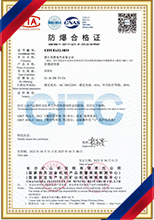
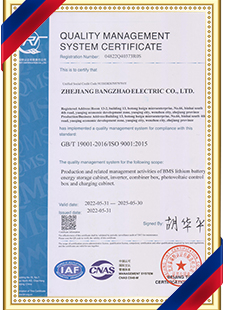
The next generation of Tokyo-bound inverters will utilize SiC MOSFETs. This reduces switching losses by up to 70%, allowing for ultra-compact designs perfect for Tokyo's space-constrained electrical rooms.
Modern inverters now feature IoT modules that predict component failure before it occurs. For critical infrastructure in Shinagawa, this means zero unplanned downtime.
As Tokyo increases EV adoption, the inverter's role shifts from a simple "one-way" device to a bidirectional energy hub, allowing vehicles to power the office during peak demand or emergencies.
 Bangzhao Electric