The global solar market is expanding quickly, but buying a reliable Solar Power Inverter requires more than comparing price and efficiency.
IRENA’s Renewable Capacity Statistics 2025 reports that solar power added about 452 gigawatts worldwide in 2024. That growth increases demand for inverters that manage unstable weather, grid changes, and demanding operating conditions. The IEA’s Renewables 2024 report also expects solar PV to dominate new renewable capacity through 2030. These figures show why manufacturer selection now affects project reliability, maintenance costs, and energy yield.
“The inverter is the heart and brains of a photovoltaic system,” says Dr. Robert Erickson, a respected power-electronics researcher. His observation remains practical. A rooftop inverter may sit quietly beside a wall, yet it controls conversion, monitoring, protection, and grid interaction every minute.
Small details matter.
Global buyers should examine product efficiency, thermal design, software support, warranty terms, and service coverage. Wood Mackenzie’s global inverter research also highlights intense competition among Chinese, European, and American suppliers. However, market share alone does not prove long-term quality. That assumption can mislead procurement teams.
This guide compares leading Solar Power Inverter manufacturers using technical performance, manufacturing experience, certifications, bankability, and after-sales capability. It also considers regional realities, including dusty sites, weak grids, extreme heat, and limited spare-parts access. No ranking is perfect. Project conditions differ, and published data may not reveal every field failure. Careful buyers should validate claims through independent testing, reference projects, and transparent warranty documents before signing major contracts.
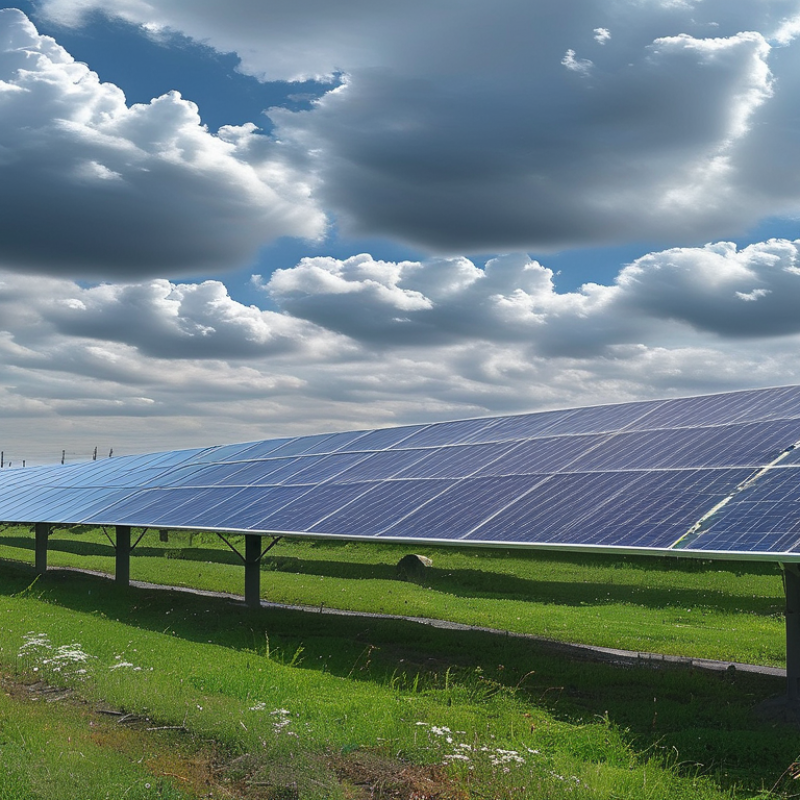
Top Solar Power Inverter Manufacturers for Global Buyers
Solar inverters convert photovoltaic DC electricity into grid-compatible AC power. Modern units commonly reach 95%–99% peak efficiency. The process uses high-speed switching devices, filters, and control software. Maximum power point tracking adjusts voltage and current as sunlight changes. A cloud crossing the array can alter the operating point within seconds. In field testing, this response often matters more than a perfect laboratory figure.
Efficiency is not constant throughout the day. A datasheet may show 98.5% at a specific voltage and load. Real systems also face heat, dust, cable resistance, and nighttime standby consumption. Lower loads usually produce greater percentage losses. High temperatures can reduce performance, especially inside poorly ventilated equipment rooms. I once treated peak efficiency as the main buying criterion. That assumption was too simple. Weighted efficiency and annual energy yield deserve closer attention.
Buyers should examine input voltage ranges, maximum current, overload behavior, and conversion losses at partial load. Independent test reports provide stronger evidence than advertising claims. Check whether measurements follow recognized testing procedures and include temperature conditions. Good installation practices matter too. Shorter DC cable runs reduce avoidable losses. Clearances around ventilation openings prevent heat buildup. Harmonic control and protective functions also influence grid compatibility. A reliable inverter should provide readable fault records, stable firmware updates, and service documentation for the intended market. Local electrical requirements still need professional verification.
Top Solar Power Inverter Manufacturers for Global Buyers
Global solar demand accelerated sharply in 2023. SolarPower Europe’s Global Market Outlook 2024 estimated about 447 GW of new photovoltaic capacity worldwide. That figure reflects a market adding panels across rooftops, factories, deserts, and rural substations.
The scale is visible in procurement rooms. Buyers now evaluate inverter efficiency, thermal design, grid support, and service response together. A hot warehouse roof can expose weak cooling within months. A remote solar farm may need replacement parts thousands of kilometers away. The best manufacturers therefore provide tested platforms, clear warranties, local support, and documented compliance with grid codes.
The numbers require careful reading. IRENA’s Renewable Capacity Statistics 2024 recorded approximately 345.5 GW of solar additions in 2023. Different reporting boundaries and data collection methods explain much of the gap. That inconsistency matters. Buyers should compare shipment data, commissioned capacity, and connection records before selecting suppliers.
Independent testing remains valuable. IEC certification supports product safety, but it does not guarantee long-term field performance. Review degradation records, failure rates, monitoring accuracy, and technician training. Ask for project references in similar climates. Desert dust, coastal salt, and unstable grids create different inverter risks.
Growth is not perfectly measured. It never is. Yet the direction is unmistakable: rapid PV deployment is increasing demand for reliable, serviceable inverter equipment.
Global Market Context: Solar PV Additions Reached About 447 GW in 2023
China accounted for the largest share of new solar PV capacity in 2023, followed by the European Union, the United States, and India. The remaining markets together represented a substantial portion of global demand, highlighting the importance of scalable and reliable inverter solutions for international buyers. Figures are approximate and rounded, totaling about 447 GW.
Solar inverter selection now matters more than nameplate efficiency. The IEA reported about 420 GW of solar PV additions in 2023. That growth is increasing demand for reliable, serviceable conversion equipment. String inverters serve several panel groups and suit distributed rooftops or medium-sized sites. They offer easier replacement, but shade and uneven panel angles can reduce each string’s output. Microinverters attach to individual modules. They improve module-level monitoring and shade control, although more rooftop electronics can complicate maintenance.
NREL research highlights module-level power electronics as useful for complex roofs and detailed performance tracking. In practical inspections, technicians check connector heat, ventilation clearance, cable routing, and communication stability. These small details often decide whether theoretical efficiency becomes real energy. A clean specification sheet can still mislead. Actual results depend on temperature, dust, shading, grid conditions, and installer workmanship. That is easy to forget.
Tips: Match the inverter to site geometry, not only its efficiency percentage. Request measured operating data from similar climates. For string systems, review shade studies and string layouts. For central systems, examine spare-part access and service response. For microinverters, confirm monitoring quality and replacement procedures. The best choice is rarely universal. Even experienced buyers should question assumptions before signing.
For global buyers, inverter evaluation should begin with evidence, not brochure language. IEC 62109 compliance indicates that the unit has been assessed against important safety requirements for power conversion equipment. Ask for the current certificate, test laboratory details, and exact model coverage. A certificate for one series may not cover every voltage or housing variant. Small paperwork gaps matter.
A claimed efficiency above 98% sounds impressive, but the figure needs context. Check the efficiency curve at typical load levels, not only at the ideal operating point. A rooftop system may spend many hours at partial power during cloudy mornings or late afternoons. Cooling design also matters. Dusty filters, blocked vents, and high ambient temperatures can reduce real performance. Numbers can be technically correct yet commercially misleading.
A ten-year warranty offers useful protection, but read the conditions carefully. Confirm whether it covers parts, labor, shipping, and replacement installation. Check response times and the location of service centers in your target market. In procurement reviews, I have found that warranty exclusions often receive less attention than efficiency ratings. That is a mistake. Some buyers also overlook firmware support and spare-part availability. I would question any supplier that provides excellent specifications but vague service procedures. Even strong evaluations can miss field conditions, so request references from comparable climates and installation sizes.
Global buyers should test bankability beyond a polished website. The IEA PVPS Trends 2024 report recorded about 456 GW of new photovoltaic capacity in 2023. That scale increases the cost of weak equipment decisions. Review audited financial statements, operating history, warranty reserves, and installed capacity by region. Ask for failure-rate data, not only efficiency figures. Bankability has no universal score, so procurement teams must build their own evidence trail. That is uncomfortable, but necessary.
IP65 protection indicates resistance to dust and water jets under IEC 60529 testing. It does not mean unlimited outdoor durability. A coastal site still needs corrosion control, suitable cable glands, drainage, and thermal management. Check enclosure test reports, operating temperature ranges, surge protection, and derating curves. The IEA Renewables 2024 report says global renewable capacity additions reached nearly 510 GW in 2023, with solar providing about three-quarters. Large deployment does not guarantee equal field quality. Look closely.
After-sales support should be measurable. Require local response targets, spare-parts locations, remote diagnostics, firmware procedures, and technician training records. Ask who owns the case when the installer, distributor, and manufacturer disagree. A five-year warranty may hide slow replacement processes. IEA PVPS data shows photovoltaic systems now operate across diverse climates and grid conditions, making regional support more important. I would not rely on promises alone. Request anonymized service reports, escalation contacts, and references from comparable projects. One missing spare part can stop revenue for weeks.
: Global photovoltaic additions reached hundreds of gigawatts in 2023. Different reports published different figures. This reflects varying data methods and reporting boundaries.
Review efficiency, cooling design, grid support, warranties, service coverage, and compliance documents. Ask for project references in similar climates. Brochures are not enough.
No. It mainly confirms important safety requirements for power conversion equipment. Request the current certificate and covered model numbers. Field records still matter.
Not necessarily. Check efficiency curves across normal operating loads. Cloudy mornings may produce partial power for several hours. Heat and dust can reduce actual performance.
Confirm coverage for parts, labor, shipping, and replacement installation. Check service response times and regional repair centers. A long warranty can still hide slow support.
No. IP65 helps resist dust and water jets under testing conditions. Coastal sites still need corrosion control and proper drainage. Outdoor exposure is complicated.
Review financial records, operating history, warranty reserves, and regional installations. Ask for failure-rate data and service reports. There is no universal bankability score.
Require local response targets, spare-parts locations, remote diagnostics, and firmware procedures. Ask who manages disputes between installers, distributors, and manufacturers. One missing part can delay repairs for weeks.
Desert dust can block ventilation. Coastal salt can accelerate corrosion. Unstable grids can test control systems. These risks deserve separate evaluation.
No checklist captures every field condition. Even strong documents can miss installation mistakes or unusual weather. Review evidence repeatedly. Some uncertainty remains.
Solar Power Inverter technology is essential to modern photovoltaic systems because it converts solar panels’ direct current into usable alternating current, typically achieving 95%–99% efficiency. With global solar PV additions reaching approximately 447 GW in 2023, selecting the right inverter has become increasingly important for residential, commercial, and utility-scale projects. This guide explains the main technologies, including string inverters for flexible system design, central inverters for large installations, and microinverters for panel-level optimization.
For global buyers, reliable evaluation should include compliance with IEC 62109, peak efficiency of at least 98%, and a warranty covering around 10 years. Buyers should also assess financial stability and long-term bankability, IP65 protection against dust and water, compatibility with local grid requirements, monitoring functions, and the quality of after-sales support. A careful comparison of technical performance, installation needs, service capabilities, and total ownership costs can help purchasers choose a safe, durable, and efficient solution for changing solar energy applications.
Bangzhao Electric