The global solar market is booming, as evidenced by a report from the International Energy Agency (IEA), which estimates a 22% increase in solar capacity in 2023. As the photovoltaic industry grows, so does the demand for essential Photovoltaic Accessories. These accessories enhance solar systems' efficiency and longevity, making them vital for both buyers and manufacturers.
Investments in solar energy are projected to reach over $300 billion annually by 2025. Still, ensuring that installations perform optimally requires a deep understanding of necessary components. From mounting systems to inverters, each accessory plays a role. However, many buyers overlook crucial factors such as compatibility and quality, leading to underperformance in their solar setups.
While these accessories are critical, navigating the options can be overwhelming. A lack of proper guidance may result in poor purchasing decisions. Thus, recognizing the importance of selecting high-quality Photovoltaic Accessories is essential in maximizing return on investment and supporting sustainable energy goals.
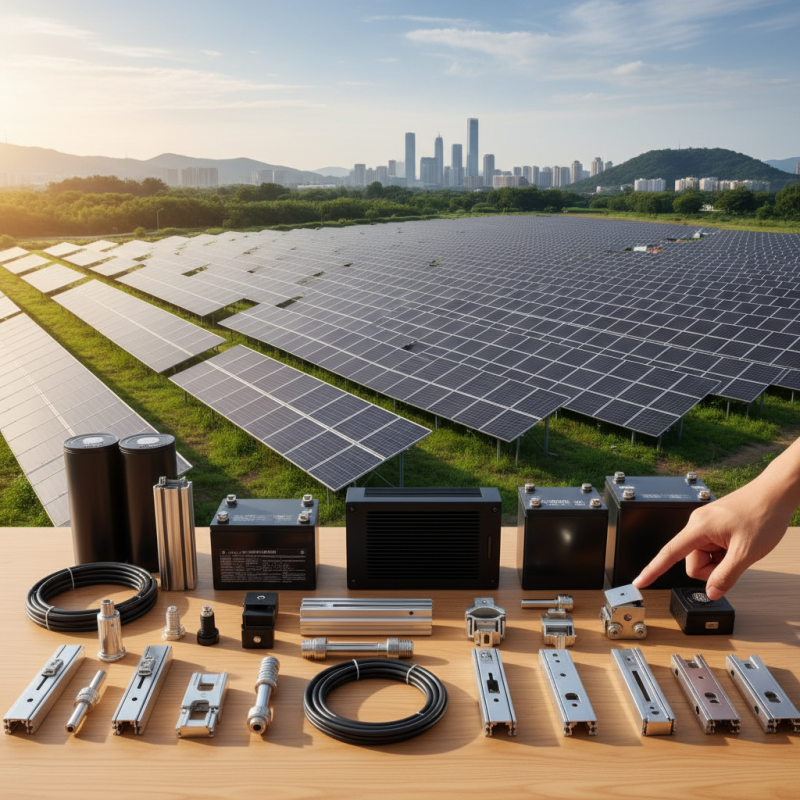
Essential Accessories for Photovoltaic Systems Overview
Photovoltaic systems are becoming essential for sustainable energy solutions. However, their efficiency often depends on several critical accessories. For instance, solar inverters play a vital role in converting direct current to alternating current. Without high-quality inverters, energy output can drop significantly.
Mounting hardware provides stability, ensuring panels remain secure against wind and weather. Choosing the right brackets can be tricky. Subpar materials may lead to costly repairs. Additionally, solar batteries are crucial for energy storage, allowing users to utilize power even when the sun isn’t shining.
Cabling and connectors are often overlooked yet equally important. Quality wiring minimizes energy losses during transmission. If connections are faulty, it can lead to energy inefficiencies. Monitoring systems also deserve attention. They help users track energy production and detect issues early. Investing in these accessories can make or break the performance of a photovoltaic system. Each decision counts.
Top 10 Essential Photovoltaic Accessories for Global Buyers
Types of Photovoltaic Accessories for Diverse Applications
When considering photovoltaic systems, accessory selection is crucial for optimal efficiency. Accessory types vary widely, catering to diverse applications. For residential setups, mounting systems are essential. These secure solar panels and ensure optimal angle exposure. According to SolarPower Europe, the global solar mounting solutions market is projected to reach USD 13.5 billion by 2026.
In commercial sectors, inverters act as the brain of the system. They convert direct current (DC) generated by solar panels into alternating current (AC). A well-functioning inverter maximizes energy yield. A report by the International Renewable Energy Agency suggests that, by improving inverter technology, solar energy conversion efficiency could increase by up to 5%.
Tip: Regularly check the condition of your inverters. A malfunction can significantly reduce system performance. Battery storage systems are vital for off-grid applications. They store excess energy for later use, enhancing reliability. The energy storage market is expected to grow, driven by increased demand for renewable energy solutions. Keeping an eye on compatibility between battery systems and inverters is essential. Each component must work seamlessly for maximum output.
Top 10 Essential Photovoltaic Accessories for Global Buyers
| Accessory Type |
Description |
Primary Use |
Estimated Cost (USD) |
| Solar Inverter |
Converts DC electricity from solar panels into AC electricity for home use. |
Residential and commercial solar systems |
1,000 - 3,000 |
| Battery Storage |
Stores excess solar energy for use during low sunlight hours. |
Off-grid and grid-tied systems |
5,000 - 15,000 |
| Mounting System |
Framework that supports solar panels on roofs or ground. |
Installation of solar panels |
200 - 800 |
| Solar Charge Controller |
Regulates voltage and current from solar panels to batteries. |
Battery charging systems |
100 - 500 |
| System Monitoring Software |
Tracks energy production and system performance remotely. |
System efficiency analysis |
250 - 1,000 |
| Connectors and Wiring |
Electrical components for linking solar panels and other system parts. |
Connecting solar systems |
50 - 300 |
| Solar Panel Cleaning Kit |
Tools for maintaining and cleaning solar panels. |
Panels maintenance |
30 - 100 |
| Inverter Accessories |
Accessories for enhanced inverter performance and safety. |
Inverter optimization |
100 - 400 |
| Safety Gear |
Personal protective equipment for solar installation. |
Installation safety |
50 - 200 |
Key Features to Consider When Selecting Photovoltaic Accessories
When selecting photovoltaic accessories, it's crucial to focus on key features that enhance performance and reliability. First, consider the material quality. Accessories made from durable, weather-resistant materials will ensure longevity. Check for UV resistance as well. This is vital in high-sunlight regions. A fragile accessory can lead to costly replacements.
Next, compatibility is essential. Ensure that the accessories you choose work seamlessly with your photovoltaic system. Look for elements like connectors and mounting systems designed for easy installation. Compatibility minimizes the risk of damage and enhances overall efficiency. Also, pay attention to warranty and customer support. A good warranty reflects confidence in the product.
Lastly, do not overlook the importance of installation ease. Some accessories require professional setup, while others can be DIY projects. Assess your skill level before purchasing. Reflection on past installations can save time. While it’s tempting to go for the cheapest options, investing in quality pays off in the long run. Remember, the right accessories can optimize your photovoltaic system's performance significantly.
Top Brands and Manufacturers of Photovoltaic Accessories
When considering photovoltaic accessories, recognizing leading brands and manufacturers is essential. These companies specialize in components like inverters, mounting systems, and energy storage solutions. The global solar market is projected to reach $223.3 billion by 2026, with significant contributions from these accessory providers. They play a critical role in optimizing solar panel efficiency and lifespan.
Leading manufacturers often emphasize quality and innovation. Recent reports indicate that superior inverter technologies can enhance solar energy conversion rates by up to 15%. This improvement directly impacts overall system performance. However, it's vital to approach claims critically. Not all manufacturers provide transparent data on efficiency and durability. Investing in accessories from reputable sources is crucial.
Trends show an increasing shift towards integrated solutions. Many manufacturers now offer complete kits that combine various accessories. While convenient, consumers should investigate compatibility and warranty details. Some brands may not meet the high standards expected in extreme weather conditions. Staying informed about industry advancements and real-life applications encourages more sustainable choices.
Market Trends and Innovations in Photovoltaic Accessories
As the photovoltaic market expands, trends in accessories are emerging rapidly. Recent data shows that the global solar inverter market is projected to reach $15.4 billion by 2026, growing at a CAGR of 10.7% from 2021. This surge implies a rising demand for compatible accessories that enhance system efficiency.
Innovations in photovoltaic accessories include advanced monitoring devices. Modern monitoring systems track energy output and optimize performance. A report by Solar Power World highlighted that nearly 30% of solar installations now utilize smart technology. This convergence of solar generation with smart technology is transforming how users engage with their systems. Yet, many users struggle with these advances, often lacking the necessary technical knowledge.
Another trend is the rise of energy storage solutions. Anticipated growth in the battery market will support increased solar adoption. Reports indicate the global battery storage market could exceed $13 billion by 2027. However, accessibility remains a challenge. Many consumers face concerns about compatibility and installation processes. Thus, the industry must address these gaps to unlock the full potential of photovoltaic systems.
FAQS
: Solar inverters convert direct current to alternating current. High-quality inverters prevent significant energy loss.
Quality mounting hardware provides stability. It ensures panels remain secure against wind and weather.
Look for batteries that allow energy storage. They ensure power availability when the sun isn't shining.
Good quality cabling minimizes energy losses. Faulty connections can create efficiency problems.
Monitoring systems track energy production. They help detect issues early to prevent larger problems.
Durable, weather-resistant materials are crucial. Accessories should also be UV resistant in sunny areas.
Compatibility ensures seamless integration. It reduces the risk of damage and boosts overall efficiency.
Some accessories can be DIY projects. Assess your skills to prevent challenges during installation.
Cheaper options may lead to costly repairs later. Investing in quality ensures better long-term performance.
A strong warranty indicates product confidence. It offers reassurance about the accessory's quality and reliability.
Conclusion
In today's rapidly evolving renewable energy landscape, understanding essential photovoltaic accessories is crucial for global buyers seeking to optimize their solar systems. This article provides a comprehensive overview of various types of photovoltaic accessories designed for diverse applications, highlighting their role in enhancing system efficiency and longevity.
When selecting photovoltaic accessories, buyers should consider key features such as compatibility, durability, and ease of installation. Additionally, the discussion on market trends and innovations reveals the latest advancements that are reshaping the industry, empowering consumers to make informed choices. Overall, this knowledge equips buyers to effectively enhance their photovoltaic systems, ensuring a sustainable and efficient energy solution.

 Bangzhao Electric