Top Shore Power Converter Solutions for Global Buyers?

Time:2026-06-07 Author:Sophia
0%

In today's rapidly evolving maritime industry, the significance of efficient energy solutions is paramount. Shore power converters play a crucial role in enabling vessels to connect to land-based electrical systems. This innovation reduces emissions and lowers operating costs. However, not all shore power converters are created equal. Each manufacturer's offerings vary in capacity and functionality, influencing global buyers' decisions.

Understanding the nuances of shore power converter technology is essential for buyers. Quality units must meet specific performance standards and ensure compatibility with various ship types. Savvy purchasers should consider factors like energy efficiency and ease of installation. While many options boast advanced features, potential users must reflect on their true needs to avoid overspending.

As we delve into the leading shore power converter solutions available globally, we will address common pitfalls. These include underestimating power requirements and overlooking warranty terms. Recognizing these aspects can lead to smarter purchasing decisions. By focusing on quality and reliability, buyers can make informed choices in the evolving marketplace of shore power converters.
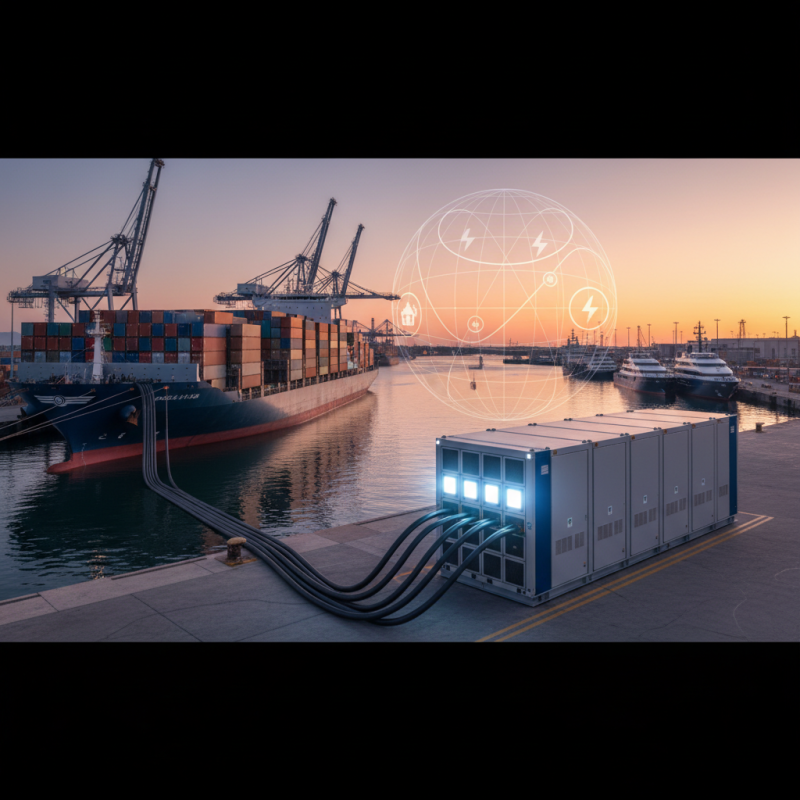
Top Shore Power Converter Solutions for Global Buyers?

Top Shore Power Converter Solutions for Global Buyers

Shore power converters are crucial for reducing emissions from docked ships. These systems help vessels connect to the power grid during port stays. This practice significantly cuts down on greenhouse gas emissions. According to a report by the International Maritime Organization (IMO), using shore power can reduce CO2 emissions by up to 90% for docked ships.

One key aspect is interoperability. Many ports lack standardization for shore power systems. Different voltage and frequency configurations can lead to challenges. This inconsistency can hinder the widespread adoption of shore power solutions across various shipping lines. Reports show that nearly 70% of ports still do not offer sufficient shore power services for large vessels.

Tips: Ensure your vessel is compatible with local shore power requirements. Always check voltage and power frequency before connecting. This helps prevent equipment damage and ensures a smooth operation.

In addition, maintenance of shore power infrastructure should not be overlooked. Regular inspections can reveal potential flaws. With the rising focus on sustainability, proper implementation will become increasingly vital. Understanding the technology will pave the way for better practices in the industry.

Overview of Shore Power Converters: Definition and Importance

Shore power converters play a crucial role in reducing emissions from ships docked at ports. These devices allow vessels to connect to the electrical grid. This connection minimizes the need for onboard generators. Consequently, it leads to cleaner air in port cities. Many industries face increasing pressure to adopt sustainable practices. Shore power converters are a step towards meeting environmental goals.

The technology behind shore power converters is quite intricate. They need to adapt different voltage and frequency levels for compatibility. A reliable converter guarantees seamless energy transfer. However, the installation can pose challenges. Retrofitting older docks might require significant upgrades. Many stakeholders must also coordinate during installation to minimize disruptions. There is a learning curve to understanding this technology. Proper training and resources are essential.

Many ports are evaluating their shore power capabilities. Yet, not all locations have the same level of access to these systems. Infrastructure limitations can hinder progress. Stakeholders often face difficult decisions regarding investments versus environmental commitments. The balance between technology, cost, and regulatory compliance remains a complex issue. As demand for cleaner energy grows, so does the importance of shore power converters.

Global Shore Power Converter Market Overview

This chart depicts the projected market growth of shore power converters from 2020 to 2024, indicating a steady increase in demand for these solutions due to the growing emphasis on eco-friendly shipping practices and the reduction of emissions in port areas.

Key Market Trends Influencing Shore Power Converter Solutions

The global shore power converter market is witnessing significant transformation. Reports indicate that the market is expected to grow at a compound annual growth rate (CAGR) of around 12% from 2023 to 2028. This growth is driven by a surge in environmental regulations. Many ports now prioritize cleaner solutions, pressing for the transition to shore power systems.

Technological innovation plays a crucial role in shaping this market. The increasing integration of renewable energy sources enhances energy efficiency. For instance, advanced converter technologies can minimize energy loss during power transfer. However, challenges remain. Not all ports can adapt to new systems quickly. Some lack the necessary infrastructure, which can deter investment. Additionally, fluctuating demand for shore power in different regions can lead to overcapacity in some areas and underutilization in others.

Market players must consider various factors, including local regulations and infrastructural challenges. Insights suggest that a one-size-fits-all approach may not work. Customized solutions may be necessary to meet specific regional requirements. Investment in research and development is essential. The interplay between regulatory frameworks and technological advancements will ultimately determine the future of shore power converter solutions.

Top Shore Power Converter Solutions for Global Buyers

Solution Type Power Rating (kW) Efficiency (%) Application Area Market Trends
Fleet Management Systems 500 95 Cargo Ships Increase in automation and efficiency
Modular Converters 300 97 Cruise Ships Growing demand for compact designs
Integrated Systems 1000 92 Ferries Trends towards sustainability and low emissions
High Voltage Solutions 1500 90 Container Ships Emphasis on grid connections and renewable energy
Portable Power Supply 200 94 Yachts Rise in recreational boating

Leading Manufacturers and Their Market Shares in Shore Power Solutions

Shore power systems are essential for reducing emissions from ships in port. Various manufacturers dominate this market, and understanding their market shares is crucial. Companies often provide robust solutions catering to diverse requirements, from cargo vessels to cruise liners. They invest significantly in research and development to enhance their technology.

Tips: Consider the size and power requirements of your vessel before choosing a shore power converter. Analyze each manufacturer’s offering in detail. Assess their experience in the industry to ensure reliability.

Market dynamics change rapidly. Some brands may lead today but later lose ground. This can be due to innovations or shifts in regulations. Research is vital to identify the most effective products available. Evaluating market trends enhances decision-making.

Tips: Regularly check industry reports and updates. Engage with professionals who have firsthand experience with different systems. This can help in making informed choices about shore power solutions.

Technical Specifications and Performance Metrics of Top Converters

Shore power converters are crucial for reducing emissions in ports. They allow ships to connect to shore-side electricity, eliminating the need for onboard generators. When evaluating converters, several technical specifications and performance metrics are essential for global buyers.

Efficiency ratings matter significantly. A high-efficiency converter minimizes energy loss during transfer. Many converters offer efficiency ratings above 95%. It's a benchmark that ensures operational cost savings over time. Reliability is another critical factor. Consistent performance under varying loads can impact overall port operations. Analyze reports of past performances to gauge reliability.

Tip: Always review user feedback on specific models to identify potential issues.

Power capacity is also vital. Buyers should select converters that can handle the expected maximum load. Oversizing can lead to unnecessary expenses, while undersizing risks system failures. Look for converters that provide flexibility with scalable options.

Tip: Consultation with experts can provide insights into selecting the right capacity for your specific needs.

Lastly, communication protocols must align with existing systems. Compatibility ensures seamless integration and minimizes future complications. Overall, a thorough assessment of these specifications leads to informed purchasing decisions.

Regulatory Frameworks and Environmental Standards Impacting Buyers

The regulatory landscape for shore power is evolving rapidly. Various international frameworks set stringent requirements for reducing emissions and promoting sustainability. For instance, the International Maritime Organization (IMO) aims for a 50% reduction in greenhouse gas emissions by 2050. This goal influences the adoption of shore power technology, designed to supply electrical power to ships while at berth.

In addition to global frameworks, local regulations also play a crucial role. Many ports are implementing environmental standards that require ships to plug into onshore power instead of using diesel generators. This shift can lower emissions by up to 90%. However, the transition faces challenges, including the high initial costs of infrastructure and integration with existing systems. A report from the International Council on Clean Transportation estimates that it can take decades for the investment to pay off through operational savings.

Industry stakeholders must navigate these complexities. The importance of compliance cannot be overstated. However, buyers often lack guidance on the latest standards. This frustration can lead to delays in decision-making and project implementation. Awareness of the regulatory landscape is a necessity for buyers exploring shore power solutions.

FAQS

: What are shore power converters, and why are they important?

: Shore power converters connect ships to the electrical grid, reducing onboard generator use. This helps decrease emissions and improve air quality.

What challenges are faced during the installation of shore power converters?

Retrofitting older docks often requires significant upgrades. Coordinating among many stakeholders can lead to disruptions as well.

How do shore power converters enhance energy efficiency?

Advanced technologies minimize energy loss during power transfer. Some converters achieve efficiency ratings above 95%, lowering operational costs.

Why is understanding shore power technology essential?

There is a learning curve involved. Proper training and resources are needed to effectively implement and utilize this technology.

Are all ports equally equipped for shore power systems?

No, infrastructure limitations vary by location. Some ports may struggle to adapt to newer systems, hampering progress.

What factors should be considered when evaluating shore power converters?

Efficiency ratings, power capacity, and reliability are vital. Oversizing or undersizing can lead to unnecessary costs and operational risks.

How can customization of shore power solutions be beneficial?

Customized solutions can meet specific regional needs better. A one-size-fits-all approach may not address all local challenges effectively.

What should buyers do to ensure compatibility with existing systems?

It's important to verify communication protocols. This reduces the risk of complications during integration with current infrastructure.

What are the growth trends in the shore power converter market?

The market is expected to grow by around 12% from 2023 to 2028, driven by increased environmental regulations and cleaner energy demands.

Why is ongoing research and development needed in this field?

Investment in R&D is essential to address the interplay between technology and regulations. It shapes future innovations in shore power solutions.

Conclusion

The article titled "Top Shore Power Converter Solutions for Global Buyers" provides a comprehensive overview of the significance and functionality of Shore Power Converters in modern maritime operations. These converters play a crucial role in enabling ships to connect to shore-side electricity, thereby reducing emissions and improving energy efficiency.

The discussion highlights key market trends that are shaping the demand for Shore Power Converter solutions, such as the increasing emphasis on sustainability and stringent environmental regulations. Additionally, it examines the technical specifications and performance metrics of leading converter models, along with the market shares held by various manufacturers in this sector. The article also outlines the regulatory frameworks and environmental standards influencing buyer decisions, underscoring the importance of selecting compliant and high-performance Shore Power Converters for the future of marine energy solutions.


Sophia

Sophia

Sophia is a dedicated marketing professional with an exceptional depth of knowledge about her company's products and services. With a keen understanding of market trends and customer needs, she crafts insightful blog posts that not only inform but also engage readers, enriching the company’s online......