How to Choose the Best Low Frequency Inverter for Your Needs?

Time:2026-06-27 Author:Isabella
0%

When it comes to choosing a Low Frequency Inverter, understanding your specific needs is essential. Low Frequency Inverters are crucial in various applications, including industrial equipment and renewable energy systems. According to a recent market analysis by Grand View Research, the global inverter market is expected to grow significantly, reaching a valuation of over $11 billion by 2027. This growth emphasizes the importance of selecting a reliable inverter for optimal performance.

A Low Frequency Inverter typically operates between 2 kHz and 10 kHz. This range provides stable performance, especially in heavy machinery. However, not all inverters are created equal. Users often overlook critical factors, such as input voltage and surge capacity. Selecting the wrong inverter can lead to inefficiency and increased energy costs.

Moreover, performance metrics are critical. Efficiency ratings vary widely among products. Users must examine individual specifications closely. For instance, some models may boast 90% efficiency but lack adequate support for peak loads. This can lead to prolonged downtime and operational issues. It’s vital to weigh both performance and needs carefully to make an informed choice. Understanding these intricate details ensures better results and long-term satisfaction.
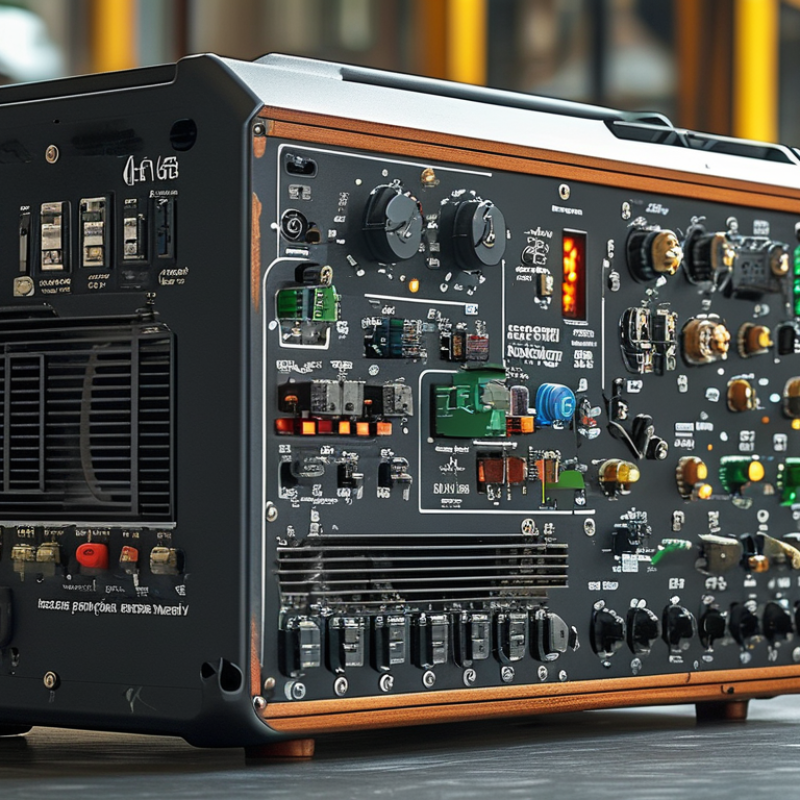
How to Choose the Best Low Frequency Inverter for Your Needs?

Types of Low Frequency Inverters and Their Applications

When it comes to low frequency inverters, understanding their types and applications is crucial for making an informed choice. These inverters are commonly categorized into two main types: modified sine wave and pure sine wave inverters. Modified sine wave inverters are simplified devices that work effectively for basic applications like small appliances. However, they may cause disruptions in more sensitive equipment.

On the other hand, pure sine wave inverters produce a clean and stable output similar to grid power. They are ideal for running complex devices such as medical equipment and audio systems, which require precise power. Choosing the wrong inverter type may lead to inefficiencies. For example, using a modified sine wave inverter for a sensitive device can result in overheating or damage over time.

Applications vary widely, from home energy systems to industrial use. For instance, low frequency inverters are often used in renewable energy systems. Yet, it’s essential to evaluate your specific needs. You may find that a higher upfront cost for a pure sine wave inverter pays off in the long run. Reflecting on personal requirements can guide you toward a more reliable choice.

How to Choose the Best Low Frequency Inverter for Your Needs?

Type of Low Frequency Inverter Power Rating (kVA) Input Voltage (V) Output Voltage (V) Applications
Modified Sine Wave Inverter 1-3 kVA 12/24/48 V 120/230 V Small appliances, light loads
Pure Sine Wave Inverter 3-10 kVA 24/48 V 120/230 V Complex electronics, motors
On-grid Inverter 3-100 kVA AC Mains AC Mains Grid-tied solar systems
Off-grid Inverter 1-20 kVA 12/24/48 V 120/230 V Remote locations, backup power
Battery Inverter 1-15 kVA 12/24/48 V 120/230 V Energy storage solutions

Key Features to Consider When Selecting a Low Frequency Inverter

When selecting a low frequency inverter, several key features should be prioritized to ensure it meets your needs. Power capacity is essential; assess your usage requirements. A study by the International Renewable Energy Agency highlights that the inverter's rating should exceed the total load by at least 25%. This additional capacity allows for potential surges during operation, which enhances reliability.

Another significant aspect is efficiency. A high-efficiency inverter can reduce energy loss. The U.S. Department of Energy reports that inverters with an efficiency rating above 90% can dramatically impact overall energy savings. Consider features like pure sine wave output. This type provides cleaner power, which is crucial for sensitive electronics. Many users overlook this, only to face performance issues later.

Monitoring capabilities play a vital role in functionality. Modern low frequency inverters often come with real-time monitoring options. This feature allows users to track performance and spot potential problems early. Research indicates that frequent monitoring can increase lifespan by as much as 30%. Always check warranty and support as well. A solid warranty reflects the manufacturer's confidence in the product.

Assessing Power Requirements for Your Specific Needs

When choosing a low frequency inverter, assessing power requirements is crucial. Start by identifying the total wattage needed for your devices. Calculate the power of each device you plan to use. This includes lights, appliances, and any tools. You might find that some devices consume more power than you expect. This miscalculation can lead to unexpected challenges.

Consider peak power demands as well. Certain devices, like refrigerators, draw more power when starting up. This spike can affect your inverter's performance. Ensure your chosen inverter can handle these peaks without failing. Check specifications closely. Sometimes, the numbers look good on paper but don’t reflect real-world scenarios.

Evaluate the operating environment too. Humidity, temperature, and dust can impact inverter efficiency. It’s important to think about where you’ll use it. Will it be in a garage, or out in the open? These conditions can influence your choice. Reflecting on these factors can help you avoid issues later on. A mismatch between the inverter and your needs can be costly and complex to rectify.

Evaluating Reliability and Efficiency of Different Brands

When choosing a low frequency inverter, evaluating its reliability is crucial. Start by analyzing customer reviews and expert ratings. Look for common complaints about performance or durability. Consistency in quality can be a challenge; thus, brand reputation plays a role in your decision. Inverters with a history of failure may lead to costly repairs or downtime.

Efficiency is another significant factor. It impacts your energy consumption and long-term costs. Some inverters operate efficiently under certain conditions but struggle in others. Check the specifications for energy conversion rates. Understanding these ratings helps gauge how well the inverter will perform in your unique setup.

Another aspect to consider is the warranty and customer support. A robust warranty often indicates a manufacturer’s confidence in their product's durability. Yet, sometimes companies fail to honor these warranties when issues arise. Engaging with customer service can reveal their responsiveness and commitment to quality. It's essential to weigh these factors against your specific needs and circumstances for an informed choice.

Understanding Warranty and Support Options for Inverters

When selecting a low frequency inverter, warranty and support options play a crucial role. According to a recent industry report, about 48% of inverter users have encountered issues during installation or operation. This makes reliable support essential. Inverters often come with varied warranty terms, typically ranging from five to ten years. A longer warranty reflects the manufacturer's confidence in their product.

Understanding support options is equally important. Many manufacturers offer online resources, including FAQs and installation guides. However, only 30% provide a direct hotline for troubleshooting. A prompt response can save users time and potential losses. Consider opting for companies that deliver robust technical support.

Moreover, warranty claims may require thorough documentation. Ensure you record purchase details and installation processes. Some users have reported challenges in warranty claims due to insufficient documentation. Taking these precautions may reduce potential frustrations and ensure smoother resolution of issues when they arise. Always evaluate the warranty coverage before making a decision.

FAQS

: Why is it important to assess power requirements when choosing an inverter?

: Assessing power helps avoid miscalculations. Some devices use more wattage than expected. This can cause challenges later.

What should I consider regarding peak power demands?

Some devices, like refrigerators, require more power at start-up. Ensure your inverter can handle these power spikes effectively.

How can the operating environment affect inverter performance?

Humidity, temperature, and dust can lower efficiency. Consider where you'll use the inverter before making your choice.

Why is evaluating reliability crucial when selecting an inverter?

Consistent quality matters. Brands with a history of failures may lead to costly repairs and operational downtime.

How do I check the efficiency of an inverter?

Review its energy conversion rates. Some inverters work well in specific conditions but may not perform elsewhere.

What warranty terms should I look for?

Warranties usually last five to ten years. A longer warranty suggests the manufacturer’s confidence in their product's durability.

How can I ensure I receive good customer support?

Look for manufacturers that provide extensive online resources. Consider options that include direct hotlines for troubleshooting.

What documentation is necessary for warranty claims?

Record all purchase details and installation processes. This reduces frustration during the warranty claim process later.

How does warranty coverage influence my decision?

Evaluate warranty terms carefully. Coverage can impact your long-term satisfaction with the inverter’s performance and reliability.

What common challenges might arise with inverter issues?

Many users encounter problems during installation. Reliable support and proper documentation can help resolve these challenges.

Conclusion

When selecting the best Low Frequency Inverter, it is crucial to understand the different types available and their specific applications. Low Frequency Inverters are essential for operating various equipment in industries such as telecommunications, renewable energy, and agricultural systems. Key features to consider include the inverter’s capacity, efficiency ratings, and advanced functionalities that suit your operational needs.

Assessing your power requirements is fundamental for ensuring that the selected Low Frequency Inverter meets your specific demands. Additionally, evaluating the reliability and efficiency of different models helps ensure long-term performance. It is also important to understand the warranty and support options provided, as these factors can affect your investment's overall value and security. By considering these aspects, you can make an informed decision tailored to your unique needs.

Isabella

Isabella

Isabella is a dedicated marketing professional with a sharp focus on driving brand growth and engagement through strategic content creation. With an extensive background in digital marketing, she combines her passion for storytelling with her keen understanding of industry trends to deliver......