In today's fast-paced industrial landscape, choosing the right equipment can make or break a business. Experts agree that a Static Frequency Converter offers unique advantages that are hard to overlook. John Smith, a leading authority in power conversion technology, emphasizes, “A Static Frequency Converter is essential for optimizing energy usage and ensuring operational efficiency.”
These converters provide precise control over power supply frequencies, allowing businesses to adapt to varying operational demands. They minimize energy waste and reduce operational costs. For many industries, this translates into significant savings over time. Static Frequency Converters can improve the reliability of sensitive equipment, thus preventing costly downtimes.
However, some businesses may hesitate before making such a choice. Concerns about initial investment and integration appear in discussions. Despite these doubts, the long-term benefits often outweigh these initial barriers. Adopting cutting-edge technology like the Static Frequency Converter may seem daunting, but it is a step toward future readiness.
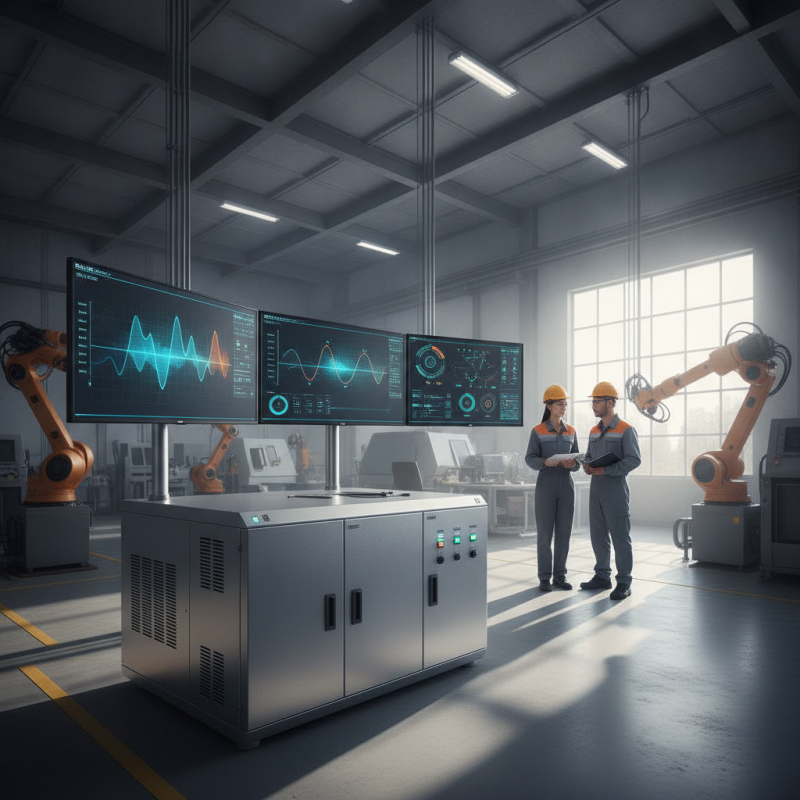
Overview of Static Frequency Converters and Their Applications
Static frequency converters (SFCs) are essential for many industries. They adjust the frequency of electrical power to meet specific equipment needs. This allows machinery to run smoothly, even when power supply varies. SFCs are widely used in sectors like manufacturing, marine, and renewable energy. These converters enhance operational efficiency and reduce equipment wear.
In manufacturing, for instance, SFCs enable precise control of motors. This leads to improved production rates and energy savings. In marine applications, they help ships adapt to different port power systems without damaging onboard equipment. Despite these advantages, implementing SFCs requires careful planning. Companies must consider installation costs and compatibility with existing systems. Miscalculations can lead to operational issues.
On the renewable energy front, SFCs play a critical role in integrating solar and wind power. They help convert variable frequency output into stable frequency power for grid compatibility. However, businesses must regularly assess their SFC system's performance. This could reveal inefficiencies or the need for upgrades. An informed approach ensures SFCs deliver consistent value and support business growth.
Benefits of Using Static Frequency Converters in Business Operations
Static frequency converters (SFCs) are increasingly popular in various industries for their distinct advantages. These devices adjust electrical frequency to meet specific operational needs. This can enhance productivity by ensuring that machinery runs efficiently. According to industry reports, businesses utilizing SFCs often see a reduction in energy consumption by up to 30%. This leads to significant cost savings over time.
Another key benefit is their reliability. SFCs provide stable power supply, which reduces machinery wear and tear. A study found that companies experiencing frequent power fluctuations reported a 15% increase in equipment lifespan after switching to SFC technology. However, not every organization adopts such systems. Some hesitate due to initial installation costs or lack of understanding. They may overlook the long-term benefits that far outweigh these initial investments.
Moreover, SFCs contribute positively to operational flexibility. They enable the use of sensitive equipment without risking damage from electrical variations. Yet, some users report challenges in integrating these systems with existing setups. This concern indicates a need for proper planning and expert guidance. Understanding the nuances of SFCs can help businesses leverage their full potential while addressing integration issues.
How Static Frequency Converters Improve Energy Efficiency
Static frequency converters (SFCs) play a crucial role in enhancing energy efficiency for various industrial applications. According to a report by the International Energy Agency (IEA), electrical systems are responsible for nearly 42% of global energy consumption. By integrating SFCs, businesses can significantly reduce energy losses that occur during the power conversion process.
SFCs operate by converting input power frequency to a desired output frequency, optimizing the energy use of equipment. This can lead to energy efficiency improvements ranging from 20% to 50%, depending on the application. For example, in pump and fan systems, using SFCs can minimize excess energy wasted during idle phases. Additionally, these devices can help stabilize voltage levels, reducing the risk of equipment damage and costly downtimes. Studies show that energy efficiency measures, like SFCs, can contribute to a significant decrease in operational costs and greenhouse gas emissions.
However, not all installations are seamless. Transitioning to SFCs requires a careful evaluation of existing infrastructure. Issues such as harmonic distortions may arise if not properly addressed. Businesses must conduct thorough assessments before implementation. Despite these challenges, the overall benefits of using SFCs in terms of energy savings and operational reliability are compelling.
Energy Efficiency Improvement with Static Frequency Converters
Static Frequency Converters (SFCs) can significantly improve energy efficiency in industrial settings. The chart above illustrates a comparison of energy usage before and after the implementation of SFCs, demonstrating a substantial reduction in energy consumption.
Key Factors to Consider When Choosing a Static Frequency Converter
When selecting a static frequency converter for your business, several key factors should be considered.
Reliability is paramount. According to industry reports, equipment downtime can cost businesses up to $260,000 per hour. A quality converter minimizes this risk.
Ensure the converter you select has a proven track record of performance in similar settings.
Another important aspect is efficiency. Static frequency converters often boast efficiency rates exceeding 95%. This means lower energy consumption and operational costs.
A report by the International Energy Agency suggests that improving energy efficiency can reduce operational costs by 5-30%. However, companies must assess their specific energy needs to avoid over-investment in technology.
Compatibility with existing systems is also vital. Not all converters work seamlessly with pre-existing machinery. A mismatch can lead to operational issues.
Consider consulting with industry experts to evaluate your current setup. They can provide insights on potential challenges and solutions. Investing time in this area can save substantial resources in the long run.
The right frequency converter not only enhances productivity but can also lead to improved overall system resilience.
Real-World Examples of Successful Static Frequency Converter Implementations
Static frequency converters (SFC) have gained traction across various industries. Their ability to provide reliable power supply has helped many businesses optimize operations. For instance, in the oil and gas sector, SFC has been used to mitigate voltage fluctuations in drilling operations. This reduces wear on machinery, which is critical in this high-stakes environment.
A report by the International Energy Agency indicated that precision in energy management can enhance operational efficiency by up to 30%.
In the manufacturing realm, companies have also embraced SFC for motor applications. A study from the Electric Power Research Institute highlighted that SFCs improve the performance of large motors, translating to energy savings and decreased downtime. One notable example is a manufacturing plant that transitioned to SFC technology and reported a 20% reduction in energy costs within the first year. Implementing such technology, however, does require a clear understanding of existing infrastructure and potential integration challenges.
The benefits are substantial, but not without complications. Maintenance of SFC systems can be resource-intensive. Some companies have faced issues with initial setup complexities, indicating a need for skilled labor. A study published in the Journal of Energy Resources found that proper employee training on SFC systems could enhance operation efficiency by 15%. This reinforces the importance of investing in both technology and human resources for successful outcomes.
FAQS
: An SFC adjusts electrical frequency to improve operational efficiency for various machinery.
By optimizing energy use, SFCs can reduce energy losses in power conversion by 20% to 50%.
Businesses often experience up to 30% reduction in energy consumption and improved productivity.
No, installation can be complex, requiring careful assessment of existing infrastructure to avoid issues.
They provide stable power, reducing wear on machinery, potentially increasing equipment lifespan by 15%.
Companies may encounter harmonic distortions and may struggle with initial setup and employee training issues.
Yes, the long-term benefits usually outweigh initial expenses, resulting in significant cost savings.
An oil company saw improved drilling efficiency, while a manufacturing plant reduced energy costs by 20% in one year.
Yes, maintenance can be resource-intensive, emphasizing the need for proper training and skilled labor.
Understanding SFC nuances and investing in employee training enhances operational efficiency and successful implementation.
Conclusion
Static Frequency Converters are essential devices used in various industrial applications to convert electrical power from one frequency to another, ensuring compatibility with different equipment and grids. Their main advantages include enhanced operational efficiency, increased energy savings, and the ability to improve the performance of machinery. By utilizing a Static Frequency Converter, businesses can optimize their energy consumption and reduce operational costs, leading to a more sustainable approach to manufacturing and production.
When selecting a Static Frequency Converter, companies should consider key factors such as the device’s power rating, input/output specifications, and the specific requirements of their application. Numerous successful implementations showcase how these converters have transformed operations across industries, resulting in improved reliability and productivity. In summary, investing in a Static Frequency Converter is a strategic decision that can lead to significant benefits for any business looking to adapt to modern energy demands.

 Bangzhao Electric