Why Choose a Power Frequency Converter for Your Business Needs?

Time:2026-07-22 Author:Charlotte
0%

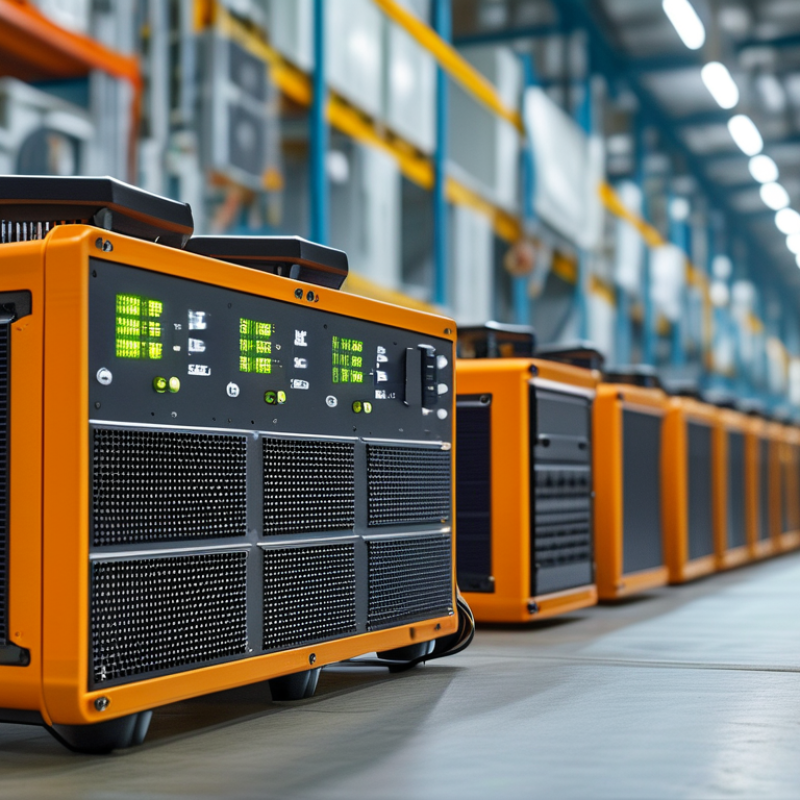
In today’s dynamic business environment, the choice of equipment is crucial. A Power Frequency Converter can be a significant asset for many companies. These devices are designed to transform electrical frequencies, ensuring that machinery operates efficiently.

Consider a manufacturing plant where equipment depends on specific power frequencies. A Power Frequency Converter can ensure that all machines run smoothly without disruptions. This not only increases productivity but also reduces operational costs. However, some businesses may overlook the importance of frequency conversions, leading to potential inefficiencies.

The reliability of a Power Frequency Converter is paramount. It offers consistent performance, crucial for businesses relying on uninterrupted power supply. Investing in a quality converter can enhance equipment lifespan and reliability. Nevertheless, businesses must evaluate their specific needs. Understanding these requirements is essential for making the right decision.
Why Choose a Power Frequency Converter for Your Business Needs?

Understanding Power Frequency Converters: An Overview of their Functionality

Power frequency converters play a crucial role in modern businesses. They convert electrical power from one frequency to another. This process helps industries run equipment efficiently, especially when dealing with varying power supply conditions. For instance, many countries use different power frequencies, such as 50 Hz or 60 Hz. Appliances designed for one frequency may not perform well on another. This mismatch can lead to equipment failure and increased operating costs.

Understanding their functionality is vital for businesses. Power frequency converters help ensure stable and reliable operation. They can enhance the performance of motors and generators, optimizing energy consumption. Many industrial sectors, such as manufacturing, rely heavily on these converters. However, they require precise calibration. A poorly configured converter can cause operational headaches, resulting in downtime.

Another point to reflect on is the initial investment. While converters can offer long-term savings, the upfront costs may be daunting. Businesses might hesitate to implement this technology. Yet, evaluating the cost-benefit ratio is essential. Realizing how much energy efficiency can save over time helps in decision-making. Investing in power frequency converters is often a step toward sustainability. Thus, businesses must weigh their options carefully.

Key Benefits of Using Power Frequency Converters for Businesses

Power frequency converters are essential for businesses aiming for efficiency. They allow for the conversion of power frequency to the optimal range for equipment. According to a report by the International Energy Agency, energy efficiency improvements can lead to a 10-30% reduction in operational costs. This translates into significant savings, especially for firms operating machinery that requires precise voltage and frequency levels.

The reliability of power frequency converters plays a vital role in minimizing downtime. A study by the U.S. Department of Energy found that unplanned downtime can cost businesses between $250,000 to $1,000,000 per hour. By ensuring that machinery operates at the correct frequency, these converters help maintain productivity. Businesses can avoid costly interruptions and enhance their overall performance.

Investing in power frequency converters can also support sustainability goals. They often promote lower emissions by improving energy management. According to recent market analyses, businesses that leverage such technology see a reduction in carbon footprint by up to 15%. While challenges exist in initial installation costs and technical integration, the long-term benefits often outweigh these hurdles.

Key Benefits of Using Power Frequency Converters for Businesses

Factors to Consider When Choosing a Power Frequency Converter

When choosing a power frequency converter, several factors are crucial. First, understand your specific application. Different industries have unique requirements. Assessing the load type is essential. Some applications need stable voltage, while others demand flexibility in frequency. Knowing your needs helps narrow down options.

Consider the environmental conditions where the converter will operate. Factors like temperature, humidity, and even dust levels play a significant role. Ensure the converter is rated for these conditions. This will enhance its lifespan and performance.

Tips: Always check for efficiency ratings. High-efficiency converters save on energy costs over time. Additionally, look for models that offer protection features. Such features can prevent damage from electrical surges or faults. A good converter should also have a user-friendly interface for easy operation and monitoring.

Comparative Analysis: Power Frequency Converters vs. Traditional Solutions

Power frequency converters are becoming a popular choice for businesses looking to adapt their energy needs. Unlike traditional solutions, these converters offer flexibility and efficiency. They can convert power frequencies to match specific equipment requirements, reducing wasted energy. This is particularly beneficial for industries that rely on sensitive machinery, as inconsistent frequency can lead to equipment failure.

Traditional solutions often involve transformers, which can be bulky and less efficient. Their installation can be complicated and costly, resulting in downtime. In contrast, power frequency converters are compact. They typically require less space and offer a simpler setup process. This translates to quicker project timelines and a speedier return on investment.

Despite their advantages, it’s important to consider potential limitations. Power frequency converters may not be suitable for every application. Performance can vary based on environmental conditions. Understanding your specific needs is crucial before making a decision. Accurate analysis ensures that the chosen solution aligns with your operational goals. This careful evaluation can prevent future hurdles, enhancing overall reliability.

Why Choose a Power Frequency Converter for Your Business Needs?

Feature Power Frequency Converter Traditional Solutions
Efficiency High (90-95%) Moderate (70-80%)
Weight Lightweight Bulky
Installation Cost Lower Higher
Flexibility High Limited
Maintenance Needs Low High
Environmental Impact Lower Higher

Applications of Power Frequency Converters in Various Industries

Power frequency converters play a vital role in many industries. They help in adjusting the frequency of electrical power. This is crucial for equipment that requires specific frequency inputs for optimal performance. In manufacturing, for instance, these converters ensure machinery operates smoothly. Different machines often need different frequencies, which can complicate operations. Power frequency converters simplify this by converting power to the required frequency.

In the renewable energy sector, these converters are indispensable. They manage the conversion of energy generated from wind and solar sources. They match the variable frequency of power generated with the grid. This enhances the reliability of energy supply. Hospitals also benefit significantly from power frequency converters. They provide a stable power supply for critical medical equipment, ensuring patient safety.

However, not all industries fully utilize these converters. Some may underestimate their importance. It's essential to assess the specific needs and potential gains from using power frequency converters. Each business must consider its operations carefully. A well-informed decision can enhance efficiency and reliability in energy usage.

FAQS

: What is the primary function of power frequency converters?

: They convert electrical power from one frequency to another, aiding in efficient equipment operation.

Why is understanding power frequency converters important for businesses?

They ensure stable operation, optimize energy use, and improve equipment performance.

How can power frequency converters reduce operational costs?

They enhance energy efficiency, potentially reducing costs by 10-30% for businesses.

What can happen if a power frequency converter is poorly calibrated?

It can lead to operational issues and increased downtime, affecting business productivity.

What factors should businesses consider when choosing a converter?

Assess application needs, environmental conditions, and efficiency ratings to select the right model.

Why might businesses hesitate to invest in power frequency converters?

The initial costs can be high, leading to concerns about the return on investment.

How do converters contribute to sustainability goals?

They can reduce emissions and carbon footprint by improving overall energy management.

What role does environment play in selecting a converter?

Factors like temperature and humidity affect performance; the converter must be rated for these conditions.

What features should a good power frequency converter have?

Look for protection features, high efficiency, and a user-friendly interface for smoother operation.

What common mistake do businesses make regarding converters?

They often overlook the long-term savings potential, focusing only on initial costs.

Conclusion

Power Frequency Converters are essential devices that enable businesses to efficiently adapt and manage different power supply frequencies to meet their operational needs. This article provides an overview of the functionality of power frequency converters, highlighting their ability to convert electrical power while maintaining voltage levels. By utilizing these converters, businesses can gain numerous benefits, such as improved equipment compatibility, enhanced energy efficiency, and reduced operational costs.

When selecting a power frequency converter, it is important to consider factors such as the specific requirements of your equipment, the operational environment, and potential applications across various industries. A comparative analysis of power frequency converters versus traditional solutions showcases their advantages in versatility and performance. As many industries increasingly rely on precise power management, understanding the applications of power frequency converters is crucial for optimizing productivity and achieving sustainable business operations.


Charlotte

Charlotte

Charlotte is a seasoned marketing professional with a deep understanding of the company's portfolio and a passion for elevating its presence in the market. With a keen eye for detail and a commitment to excellence, she ensures that our professional blog is regularly updated with insightful articles......