Switching Power Supplies are essential in modern electronics. They efficiently convert electrical power and offer various advantages. As the demand for energy-efficient solutions grows, understanding the benefits of Switching Power Supplies is crucial.
One notable advantage is their compact design, which allows manufacturers to save space in devices. Unlike traditional power supplies, they operate at higher frequencies. This increases efficiency while reducing heat generation, leading to longer lifespans for components. Reliability is another key aspect; their robust nature minimizes downtime in critical applications.
However, not all Switching Power Supplies are created equal. Choosing the right model requires careful consideration of specifications. Additionally, some users may find the initial cost higher than conventional options. It's essential to weigh these factors against long-term savings. Understanding these nuances will help in making informed decisions about Switching Power Supplies.
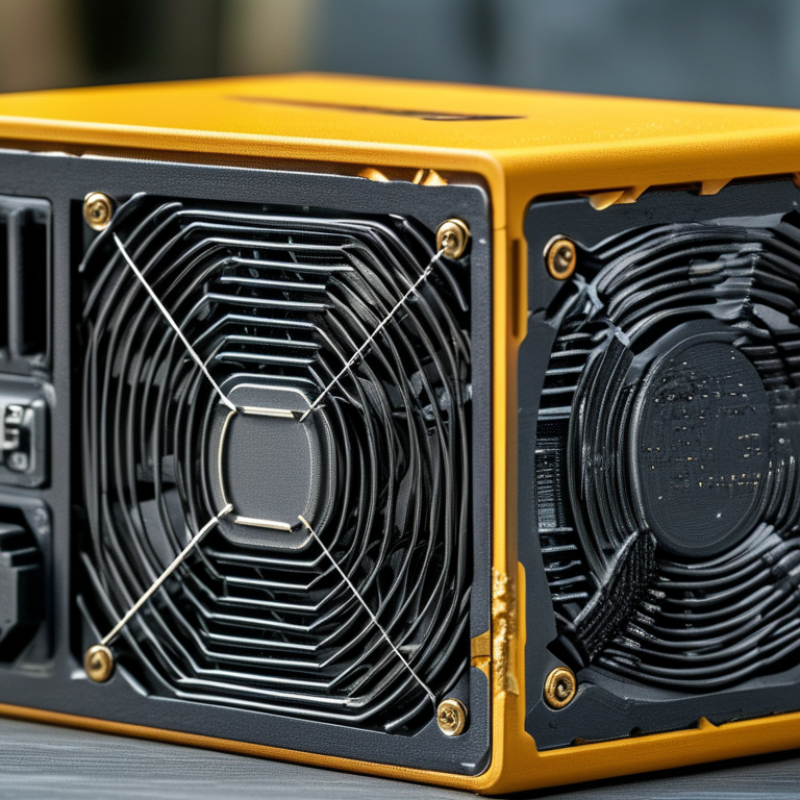
Understanding Switching Power Supplies: An Overview
Switching power supplies (SPS) are essential in modern electronics. They convert electrical energy efficiently, using high-frequency switching to regulate voltage. This design allows for compact size and lightweight components, making them suitable for a variety of applications. Their versatility is notable; they power devices from computers to industrial machines. The reduction in energy loss enhances their reliability and longevity, crucial in today’s energy-conscious environment.
However, not all challenges are conquered. While SPS offers high efficiency, they can introduce electromagnetic interference (EMI). This might disrupt sensitive circuits if not properly managed. Implementing adequate filtering and shielding techniques can mitigate these issues. Additionally, SPS systems are often complex, requiring understanding in both electrical engineering and design principles. This complexity might pose a barrier for novice engineers. A thorough comprehension is essential for optimal performance and safety in system integration.
Despite their advantages, the initial cost of SPS can be higher than linear power supplies. In some cases, users may overlook the long-term savings in energy efficiency and space. The benefits of reduced heat output and the compact design often outweigh these concerns. Users should weigh these factors when choosing the right power supply for their specific needs. Understanding the intricacies of switching power supplies ultimately leads to more informed decisions in technology design and application.
Increased Efficiency Compared to Linear Power Supplies
Switching power supplies are becoming the go-to choice for many applications due to their increased efficiency. They convert electrical energy with less wasted heat compared to linear power supplies. This efficiency is crucial, especially in devices where power consumption matters. For example, a switching power supply can utilize up to 90% of the input power, leading to significant energy savings in the long run.
One common tip for maximizing efficiency is to ensure that the power supply is well-matched to the load. An oversized supply can lead to efficiency loss and increase operational costs. Additionally, keeping the power supply cool can further enhance its performance. Heat generated by inefficient conversion reduces overall effectiveness. Regular maintenance can help identify issues that could harm efficiency.
Switching power supplies also offer more compact designs. Their ability to handle different voltage levels and currents makes them versatile for various applications. However, they can introduce switching noise, which may affect sensitive electronics. Careful layout and filtering strategies are essential for minimizing this issue. Testing in real-world scenarios can help assess their actual performance and reliability, leading to improved designs and better choices for your specific needs.
Compact Design and Space-Saving Advantages
The compact design of switching power supplies offers significant advantages for modern electronics. Their small footprint allows for easy integration into various devices, from desktop computers to complex industrial machinery. This space-saving feature is increasingly vital as manufacturers strive for efficiency without sacrificing performance. By utilizing advanced technology, switching power supplies reduce the need for bulky traditional units, enabling sleeker product designs.
Space constraints often limit design options in electronics. A compact power supply liberates developers to create innovative shapes and layouts. This can lead to more astonishing devices and improved user experiences. However, it’s essential to consider the cooling mechanisms that might need to be adjusted due to the dense packaging. Heat dissipation can be a challenge when integrating smaller units. Failing to address this can lead to performance issues down the line.
Another aspect to consider is the power density of switching power supplies. While they provide high efficiency in a compact design, it is critical to continually monitor their performance. Manufacturers must ensure these units don’t overheat, as this can impact longevity. Regular assessments will give insights into the reliability of these solutions, ensuring they meet both functional and safety requirements. This ongoing evaluation is necessary for maintaining quality in an ever-evolving market.
Enhanced Voltage Regulation and Stability Features
Switching power supplies have gained popularity for their exceptional voltage regulation and stability features.
This technology allows devices to maintain a consistent output voltage, even when input voltage fluctuates.
The ability to adapt quickly to changes is crucial for sensitive electronics. For instance, a sudden drop in
input voltage can still provide a stable output, ensuring that devices function properly without interruption.
Enhanced voltage regulation not only improves performance but also extends the lifespan of electronic components.
Stability in power delivery reduces stress on internal circuits. However, achieving perfect regulation is not always easy.
Excessive load variations can still pose challenges. Designers must carefully balance components to optimize performance,
avoiding potential over-voltage or under-voltage scenarios that could damage sensitive devices.
Moreover, not all switching power supplies are created equal. Users may find significant differences in quality
and performance across various designs. Careful selection and evaluation of specifications are essential.
This scrutiny helps ensure that the chosen power supply meets specific application needs. Ultimately, informed choices
contribute directly to reliable operation and system longevity.
Cost-Effectiveness in Various Applications
Switching power supplies have gained popularity due to their cost-effectiveness across various applications. According to a report from the International Energy Agency, these power supplies can achieve efficiencies of up to 90%. This high efficiency translates to reduced energy costs and lower heat generation. For manufacturers, this means savings on cooling systems, further enhancing the overall cost-effectiveness of the equipment.
In industrial settings, switching power supplies offer flexibility. They can adapt to different input voltages, which is crucial for diverse applications. A study from the Electric Power Research Institute indicates that using a switching power supply can reduce operational costs by 20% compared to linear power supplies. However, some users point out that the initial investment can be higher. Despite this, the long-term savings often outweigh the upfront costs.
There's also a noted concern regarding electromagnetic interference (EMI). While modern designs have mitigated these issues, some applications still require extra filtering. This aspect can lead to unexpected costs in certain environments, highlighting the need for careful planning. Ultimately, the advantages in efficiency and flexibility make switching power supplies a compelling choice for many industries.
FAQS
: Switching power supplies convert electrical energy efficiently using high-frequency switching. They regulate voltage for diverse applications.
SPS are space-saving, allowing integration into devices like computers or machinery. This lets manufacturers create sleeker products.
SPS maintains consistent output voltage despite input fluctuations. This stability is crucial for the performance of sensitive electronics.
SPS can generate EMI, disrupting sensitive circuits. Proper filtering and shielding can reduce these issues effectively.
Yes, SPS often have higher initial costs. However, they provide long-term savings due to energy efficiency and compact design.
Continuous monitoring helps prevent overheating. This is crucial for maintaining the reliability and longevity of these power supplies.
Yes, excessive load variations can challenge voltage regulation. Designers must balance components to avoid damaging sensitive devices.
No, there can be significant performance differences among SPS. Careful selection based on specifications is important for optimal use.
Compact SPS may require adjustments in cooling methods. Poor heat dissipation can lead to performance issues and hardware failure.
Designers must balance components and consider thermal dynamics. Understanding these factors is essential for both efficiency and safety.
Conclusion
Switching power supplies have gained popularity due to their numerous advantages over traditional linear power supplies. One of the key benefits is their increased efficiency, which minimizes energy loss and heat generation, thereby enhancing overall performance. This efficiency not only makes switching power supplies more environmentally friendly but also results in lower operational costs over time.
Another significant advantage is their compact design, which allows for space-saving solutions in various electronic applications. With superior voltage regulation and stability features, switching power supplies can deliver consistent power with minimal fluctuations, ensuring reliable performance across devices. Additionally, their cost-effectiveness in a wide range of applications makes them an ideal choice for both manufacturers and consumers seeking efficient power solutions. Overall, switching power supplies present a compelling option for modern electronic systems.

 Bangzhao Electric