Who Are the Top PV Pump Inverter Manufacturers in China?

Time:2026-11-06 Author:Charlotte
0%

China’s solar-pumping market includes established power-electronics companies and specialized manufacturers. This introduction looks at how to compare them, from product range and technical support to field performance. A PV Pump Inverter must do more than start a motor. It must respond to changing sunlight while keeping a pump operating within its limits.

The details matter. A borewell installation may face dusty heat, long cable runs, and water demand that changes by season. Useful comparisons therefore include MPPT behavior, motor compatibility, protection features, enclosure design, and service availability. A polished specification sheet is not enough. Real installation conditions can expose gaps that a brochure leaves out.

A note on attribution: no source material or verified expert quotation was provided, so I will not invent a named specialist’s statement. That matters when evaluating manufacturers. Buyers should check test records, product documentation, and references from comparable installations rather than rely on unsupported claims. This overview can identify companies worth examining, but it cannot make every model suitable for every site. Sometimes the right choice is less obvious than the brand ranking suggests.
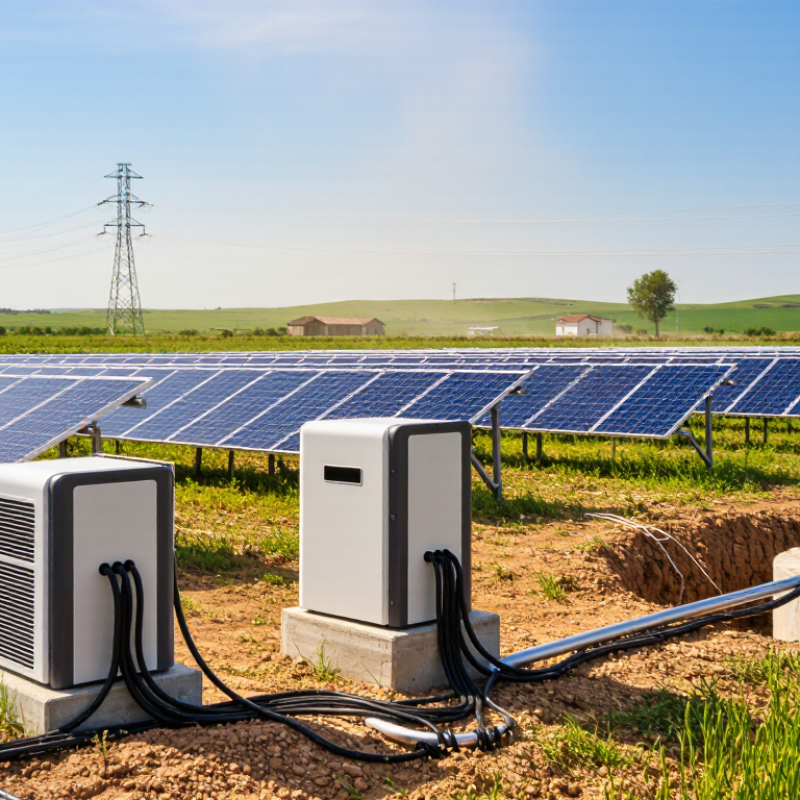
Who Are the Top PV Pump Inverter Manufacturers in China?

PV Pump Inverters: Core Functions and Typical Peak Efficiency Near 98%

A PV pump inverter converts variable DC power from solar modules into controlled AC output for a motor. It also tracks available solar power and adjusts motor speed as sunlight changes. In the field, this can mean a pump starting gently under morning light, then increasing flow as the array warms. Protection against dry running, overcurrent, and unstable input voltage is equally important. Efficiency matters, but so does reliable control.

Peak conversion efficiency can approach 98% in well-designed units, yet that figure is a best-case point, not an all-day result. NREL’s PVWatts technical documentation uses 96% as a default nominal inverter efficiency for modeling. That distinction matters. Pump loads vary, and conversion losses may rise at low power or during changing irradiance. IEC 61800-9-2 provides a framework for evaluating drive-system energy efficiency, though project conditions still shape actual performance. Check the efficiency curve across the motor’s operating range, not only the headline maximum. A small oversight: cable length, heat, and motor matching can quietly reduce delivered water. On-site measurements help.

Leading Chinese Manufacturers: INVT, VEICHI, SINEE, and FRECON

China’s PV pump inverter market includes several established manufacturers, with four often compared for product range and application support. Their equipment converts changing solar-array output into controlled motor power, helping pumps operate as sunlight shifts. Buyers should look beyond rated power. Check the supported motor type, MPPT range, protection functions, and compatibility with the pump’s starting current. A mismatch may cause repeated trips, even when the inverter’s headline rating appears adequate.

Practical evaluation starts with the installation site. A remote irrigation system may need dry-run protection, level-sensor inputs, and clear fault codes. Dust, heat, and long cable runs also matter. Ask each supplier for wiring diagrams, operating limits, and local service arrangements, then compare them against the actual pump and array. Details count. Published specifications do not always show how a unit behaves during fast cloud cover or low-water conditions. A short trial can reveal issues, though one test cannot represent every season.

The four manufacturers differ in product positioning and support, so avoid assuming that one model suits every farm or water project. Request references for similar installations and confirm what warranty service covers in practice. I would also check documentation carefully; it can be uneven, and that is worth questioning. Choose based on verifiable performance, not a polished brochure alone.

How Brands Compare: Power Range, MPPT, and IP54/IP65 Enclosures

PV pump inverter manufacturers in China differ in how closely their power ranges fit real pumping conditions. Power range matters. A unit sized too close to a pump’s rated power may struggle during hot afternoons or weak sunlight. Buyers should compare the inverter’s continuous output with the motor’s voltage, current, and starting requirements, not just its maximum rating. Some product tables make this comparison harder than it should be. Request the full technical sheet when figures are unclear.

MPPT performance affects how effectively a system uses changing sunlight. Look for stated operating voltage ranges and tracking behavior under variable irradiance; “high efficiency” alone is not enough to judge performance. Enclosure ratings also shape installation choices. IP54 can suit sheltered locations with limited dust exposure, while IP65 offers stronger protection against dust and water jets. Neither rating means an inverter can be submerged. Check cable entries, cooling needs, and the actual mounting position. Field conditions are messy. A shaded wall, fine dust, or direct spray can matter more than a specification line suggests. Ask for test details and confirm that the selected model matches the pump and site.

Technical Benchmarks: MPPT Tracking Above 99% and IEC 62109 Safety

For Chinese PV pump inverter manufacturers, “MPPT tracking above 99%” is a benchmark to verify, not a guaranteed field result. IEA PVPS’s Trends in Photovoltaic Applications 2024 reports that about 447 GW of solar capacity was added worldwide in 2023, increasing demand for reliable power conversion. Ask for MPPT test curves across changing irradiance and DC voltage, rather than a single peak figure. Check whether tests include fast cloud transitions and pump start-up. Small details matter. A laboratory result can still differ from a dusty site or a hot equipment cabinet.

Safety documentation deserves equal scrutiny. IEC 62109-1 sets general safety requirements for photovoltaic power converters, while IEC 62109-2 covers inverter-specific requirements. Request reports identifying the standard editions tested and the relevant electrical, thermal, and fire-safety evaluations. A certificate alone says little about maintenance conditions. Yet paperwork is not field proof. Compare enclosure temperature limits and protection behavior with the intended installation, especially where airflow is restricted. Above-99% tracking is useful, but it cannot compensate for underspecified safety evidence or poor system matching.

Who Are the Top PV Pump Inverter Manufacturers in China? - Technical Benchmarks: MPPT Tracking Above 99% and IEC 62109 Safety

The table below provides a brand-neutral screening framework. The figures are evaluation benchmarks, not verified performance claims or rankings for specific manufacturers.

Evaluation dimension Technical benchmark or reference How to verify
MPPT tracking efficiency Screening target: above 99% under clearly defined test conditions. This is a performance target, not a universal IEC requirement. Request a test report specifying irradiance changes, PV input conditions, measurement method, and whether the figure is tracking or total conversion efficiency.
Electrical safety Relevant standards include IEC 62109-1:2010 (general requirements) and IEC 62109-2:2011 (particular requirements for inverters). Check the exact model, applicable standard and edition, certificate or test report, issuing body, and report scope.
Conversion efficiency Compare the manufacturer’s stated peak and operating-point efficiency; these are distinct from MPPT tracking efficiency. Review efficiency curves across the input-voltage and load ranges relevant to the intended pump.
PV input compatibility The PV array’s operating-voltage range and open-circuit voltage must stay within the inverter’s specified limits. Match the array’s voltage and current design values to the model datasheet, including expected low-temperature open-circuit voltage.
Pump and motor compatibility Rated output, motor type, phase, voltage, and starting requirements must suit the pump and motor combination. Confirm compatibility using both the inverter and pump datasheets; do not rely on rated power alone.
Environmental protection An IP enclosure rating is classified under IEC 60529. The required rating depends on installation location and exposure. Verify the stated IP rating for the exact enclosure and model; consider dust, water, temperature, and installation conditions.
Protection and pump-control functions Check for applicable protections such as overload, over-temperature, dry-run, and underload protection. Confirm which functions are built in, how they detect faults, and whether thresholds are adjustable for the pump system.
Documentation and traceability Model-specific datasheets, installation manuals, test documents, and clear product identification. Ensure documents correspond to the supplied model and revision, and that ratings and certifications can be independently checked.

China’s Solar Market Context: 277.17 GW of New PV Capacity in 2024

China’s solar expansion is reshaping the market for photovoltaic equipment. The National Energy Administration reported 277.17 GW of newly installed solar capacity in 2024, bringing cumulative capacity to about 886.66 GW. That equals roughly 760 MW of additions per day. A striking pace. The China Photovoltaic Industry Association’s 2024 industry review also describes rapid growth, while noting that supply-chain conditions and project economics remain important. These figures show scale, but they do not reveal where every panel was installed or how reliably each system performs.

For PV pump inverter manufacturers, this growth creates opportunities beyond large utility projects. In rural and agricultural areas, reliable pumping depends on matching inverter output to motor power, sunlight, water demand, and pumping head. A field system may face midday heat, dust, and changing cloud cover. Small details matter. Buyers should examine MPPT performance, overload protection, operating-temperature limits, and service support—not just rated power. Yet 277.17 GW is not a direct measure of pump-inverter demand. Grid-connected projects dominate much of the capacity total, and local irrigation needs vary. That distinction is easy to overlook.

FAQS

What does a PV pump inverter do?

It converts solar-panel DC power into controlled AC power for a pump motor. It adjusts motor speed as sunlight changes. A gentler start.

Can a PV pump inverter reach 98% efficiency?

Some units can approach 98% at a peak operating point. That is not an all-day figure. Heat, low power, cable length, and motor matching can reduce actual performance.

Why check the efficiency curve?

Pump loads and sunlight vary throughout the day. Check efficiency across the motor’s operating range, not only at its highest point. Field measurements help.

Does MPPT tracking above 99% guarantee strong pump performance?

No. Treat that figure as a claim to verify. Ask for test curves across changing sunlight and voltage, including cloudy transitions and pump start-up. One lab result is not the whole story.

Which specifications should buyers compare?

Check motor compatibility, MPPT range, protection functions, and starting-current capacity. A poor match may cause repeated shutdowns, even when rated power looks sufficient.

What matters at a remote irrigation site?

Dry-run protection, level-sensor inputs, clear fault codes, and local service can matter. Dust, heat, and long cable runs matter too. Details count.

What safety evidence should buyers request?

Request test reports identifying the IEC 62109 editions and relevant electrical, thermal, and fire-safety checks. Compare temperature limits and protection behavior with the installation. Paperwork alone is not field proof.

How can buyers judge performance before installation?

Request references for similar pump systems and confirm warranty coverage. A short site trial may reveal problems, though it cannot represent every season. I might still want more evidence.

Conclusion

A Pv Pump Inverter converts electricity from solar panels into the power needed to operate a water pump, adjusting pump speed as sunlight changes. By tracking the panels’ maximum power point, it helps make effective use of available solar energy; peak conversion efficiency can approach 98%, while MPPT tracking performance may exceed 99% under specified conditions. These features make inverter selection important for matching a pumping system to its site and water-delivery needs.

When comparing products, buyers can consider power range, MPPT capability, and enclosure protection, such as IP54 or IP65, alongside relevant safety benchmarks like IEC 62109. China’s expanding solar market provides important context: the country added 277.17 GW of photovoltaic capacity in 2024. Understanding these technical factors can help users evaluate equipment more clearly and choose a solution suited to local operating conditions.


Charlotte

Charlotte

Charlotte is a seasoned marketing professional with a deep understanding of the company's portfolio and a passion for elevating its presence in the market. With a keen eye for detail and a commitment to excellence, she ensures that our professional blog is regularly updated with insightful articles......