What Are the Top Hybrid Inverter Brands in China?

Time:2026-11-20 Author:Amelia
0%

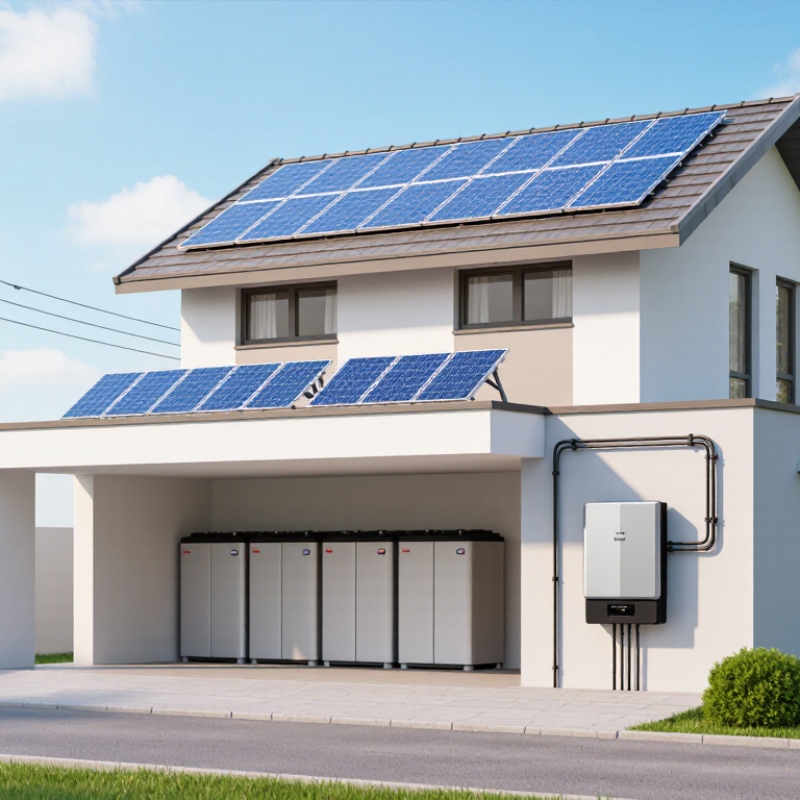
The Hybrid Inverter has become an important part of modern solar systems. It can coordinate solar panels, battery storage, grid power, and backup loads. For homeowners, that may mean keeping essential lights on during an outage. For installers, it means checking compatibility, monitoring tools, and installation requirements—not just headline efficiency.

The market is growing quickly. IRENA’s Renewable Capacity Statistics 2024 reports that the world added 473 GW of renewable capacity in 2023, including about 346 GW of solar. The IEA’s Renewables 2024 report projects nearly 5,500 GW of renewable capacity additions between 2024 and 2030, with solar providing the largest share. These figures explain why buyers are paying closer attention to inverter brands and battery-ready designs.

China is home to several prominent manufacturers, including Huawei, Sungrow, GoodWe, Growatt, and Deye. But “top” depends on the system. A compact home may need quiet operation and clear app controls; a larger property may prioritize backup output and battery expansion. Warranty terms and local service matter, too. A strong specification sheet is useful, but it cannot promise a smooth installation everywhere. That detail is easy to miss. This guide compares leading Chinese brands through product features, reliability signals, support, and practical fit, while noting where published information leaves room for doubt.
What Are the Top Hybrid Inverter Brands in China?

What Hybrid Inverters Do: Connecting PV, Batteries, Grid, and Backup Loads

A hybrid inverter coordinates solar panels, a battery, the utility grid, and selected backup loads. It converts the panels’ direct-current output into alternating current for household circuits. At the same time, it manages battery charging and power flowing to or from the grid.

The control logic matters. On a bright afternoon, surplus solar power may charge the battery; later, stored energy can support a refrigerator, lights, or internet equipment. That matters.

During an outage, the inverter can supply designated backup circuits if the system is configured for islanded operation. It must separate those circuits from the grid, rather than sending power into lines that may be under repair.

Backup capacity is limited by inverter output, battery energy, and the loads running at once. A kettle and a pump can draw more power than expected. Not always obvious.

Careful load planning helps avoid disappointing runtime, though estimates still depend on weather and usage. Installers should verify compatibility, protection settings, and local requirements for the specific system.

One detail is easy to underestimate: a hybrid inverter connects components, but it cannot make an undersized battery or poorly chosen backup circuit perform like a larger system.

China’s Major Brands: Huawei, Sungrow, GoodWe, Growatt, and Solis

China has several established manufacturers of hybrid inverters, but their strengths differ by model and market. Some emphasize integrated energy management, while others offer broad power ranges or flexible battery pairing. These are tendencies, not guarantees. Model details matter. Buyers should compare datasheets for battery voltage, maximum solar input, backup output, and supported communication protocols. A small detail matters: backup ratings may not cover a pump or compressor’s starting surge. Check continuous and peak output against actual household loads, not just the inverter’s headline capacity.

For a home with rooftop solar and storage, ask how the system behaves during a grid outage. Check whether essential circuits need a separate panel. The monitoring app is worth testing too; clear daily graphs can reveal charging or export problems. Warranty terms, service access, and compatibility lists vary by region and installer. Request written confirmation for the exact inverter and battery combination. Check the fine print. I would avoid declaring one manufacturer the universal leader: firmware, installation quality, and local support can change the experience. That judgment may feel less decisive, but it is more useful than a ranking based on name recognition alone.

China’s Annual Solar PV Additions

China’s rapid solar capacity growth provides market context for the country’s hybrid inverter sector. The chart shows newly installed solar PV capacity, not data for individual companies or brands.

Source: China National Energy Administration (NEA). Figures are annual newly installed solar PV capacity in gigawatts.

Typical Performance Benchmarks: 97–99% Peak Efficiency and Multiple MPPTs

For hybrid inverters, a peak efficiency rating of 97–99% is a useful screening figure, not a promise of everyday output. It usually describes performance under favorable conditions. In a home system, conversion losses vary with load, battery voltage, and temperature. A lightly loaded inverter may behave differently from one powering a kettle and heat pump at once. Small losses add up.

Multiple MPPTs can help when solar panels face different directions or receive uneven shade. Each tracker can adjust its connected string independently, reducing mismatch losses. Check the number of MPPTs, but also the allowed current and voltage for each input.

A roof split across east and west slopes may benefit from separate tracking; one uniform roof might not. More trackers are not automatically better. Look for efficiency curves across realistic operating loads, plus clear test conditions and monitoring data. A comparison based only on peak figures is imperfect, and specifications can be easy to overread. Check the system design against the actual panel layout before choosing an inverter.

Safety and Grid Standards: IEC 62109, IEC 61727, and Anti-Islanding

Hybrid inverters must protect people, equipment, and the grid—not merely convert power efficiently. IEC 62109-1 and IEC 62109-2 set safety requirements for photovoltaic power converters and inverters, including protection against electric shock, fire, and thermal hazards. IEC 61727 addresses how a PV system interfaces with a utility grid. Anti-islanding testing, covered by IEC 62116, checks whether an inverter stops energizing a disconnected grid. That matters. A darkened workshop should not have a live cable because a rooftop system kept feeding it.

The IEA PVPS Snapshot of Global PV Markets 2024 estimated that global installed solar capacity reached about 1.6 terawatts by the end of 2023. More systems mean more grid connections—and more reason to verify test evidence carefully. A standard reference alone does not prove that every model, firmware version, or installation meets local grid rules. One detail buyers can miss: settings and protection behavior may vary by market. Certification needs context.

Tips: Ask for model-specific IEC test reports, the applicable IEC 62116 anti-islanding results, and evidence that grid settings match the destination market. Check who performed the tests and whether the inverter’s current firmware is covered. A certificate is useful, but it is not the whole inspection. Safety starts with the actual unit and its installation.

How to Compare Brands: Battery Compatibility, Backup Power, and Service Coverage

What Are the Top Hybrid Inverter Brands in China?

A strong hybrid inverter choice depends on how well it fits your battery and home, not just its rated output. Check the battery’s voltage range, chemistry, and communication protocol. Some systems use CAN or RS485, but matching connector labels alone does not guarantee reliable communication. Ask for a current compatibility list and confirm the exact battery model with the installer. A mismatch may still charge, yet show incorrect battery levels or limit power.

Tips: Test the backup plan before buying. List the circuits you need during an outage, such as lights, a refrigerator, and the internet router. Compare the inverter’s continuous output and surge capacity with those loads. Also ask how quickly it switches to backup power. Small details matter.

Service coverage is easy to overlook. Find out who handles setup, software updates, warranty claims, and replacement parts in your area. Ask about response times and whether support is available through a local technician. A long warranty sounds reassuring, but it is less useful if parts take weeks to arrive. Request the warranty terms in writing. One imperfect but practical check: ask the seller to explain what happens when the grid fails and the battery is nearly empty. Clear answers are a good sign; vague ones deserve another look.

FAQS

What should I compare when choosing a hybrid inverter?

Check battery voltage, solar input limits, backup output, and communication protocols. The exact model matters more than broad claims.

Can an inverter’s headline capacity power every household appliance?

Not necessarily. Compare continuous and peak output with your actual loads. A pump or compressor may need extra power to start.

What should I check for during a grid outage?

Ask which circuits receive backup power and whether they need a separate panel. Test the plan against essential appliances.

Why should I test the monitoring app?

Clear daily graphs can reveal charging or export problems. Try it before installation, if possible.

Do warranty and service terms stay the same everywhere?

No. Terms, service access, and compatibility can vary by region and installer. Get the exact inverter and battery pairing confirmed in writing.

Does a 97–99% peak efficiency rating guarantee everyday performance?

No. It describes favorable conditions, while real output changes with load, battery voltage, and temperature. Small losses add up.

When can multiple MPPTs help a rooftop solar system?

They can help when panels face different directions or receive uneven shade. Separate trackers may suit east- and west-facing roof sections.

Are more MPPTs always better?

Not always. Check each input’s current and voltage limits, plus efficiency across realistic loads. A comparison based only on peak figures is imperfect.

Conclusion

A Hybrid Inverter connects solar panels, batteries, the utility grid, and selected backup loads, helping a home or business use solar energy, store surplus power, and maintain supply during an outage. When comparing options in China, consider practical features such as battery compatibility, backup capacity, operating modes, and the availability of local service and technical support.

Many hybrid inverters offer peak efficiency in the range of 97–99% and use multiple maximum power point trackers to manage different solar-panel arrays. Performance figures alone are not enough: check that the equipment meets relevant safety and grid-connection requirements, including IEC 62109 and IEC 61727, and provides anti-islanding protection. The best choice depends on the installation, energy needs, battery system, and support coverage—not simply a headline efficiency rating.

Amelia

Amelia

Amelia is a seasoned marketing professional with a wealth of expertise in our company’s core offerings. With an unwavering passion for driving growth and innovation, she plays a pivotal role in shaping our marketing strategies and enhancing brand visibility. A key aspect of her responsibilities......