Choosing a Power Inverter starts with the equipment you need to run, not the largest number printed on a box. A compact unit may handle a laptop easily, yet struggle when a refrigerator’s compressor starts. Check each appliance’s running wattage and startup surge. Then add the loads that may operate at the same time. Leave a sensible margin; real use is rarely as tidy as a worksheet.
Robert W. Erickson, a power-electronics professor and co-author of Fundamentals of Power Electronics, offers a useful principle, paraphrased here: “Match the inverter to the real load, including its startup demand and operating conditions.” That is the decision’s center. Confirm the battery’s DC voltage matches the inverter input, and check that its continuous and surge ratings fit your equipment. For sensitive electronics or motor-driven appliances, compare the inverter’s output waveform with the manufacturer’s requirements; pure sine-wave output is often the safer match. Also consider cable length, ventilation, battery capacity, and how long the system must run. Small details matter. A warm, cramped cabinet can change performance, and thin cables can cause voltage drop. I have seen buyers focus on watts and overlook runtime. It is an easy mistake, and not the only one. This guide outlines what to compare, what to verify in product specifications, and where a little extra caution is worthwhile before choosing a Power Inverter.
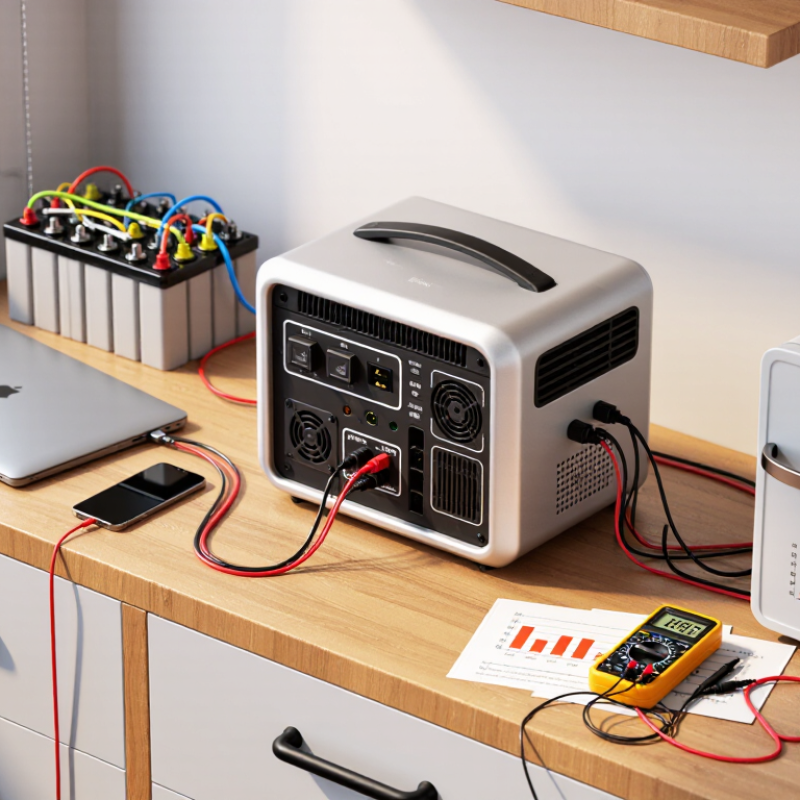
An inverter changes direct current (DC) from a battery or solar system into alternating current (AC) for household-style equipment. Inside, electronic switches rapidly reshape the DC supply. A transformer or high-frequency circuit adjusts the voltage, while filtering helps form a usable AC waveform. Designs vary. That detail matters.
A pure sine-wave inverter produces a smooth waveform similar to utility power. Modified-wave models create a stepped output, which may suit simple resistive loads but can make some motors buzz or run hotter. Check the device label and manual, not just its wattage. A refrigerator, for example, may draw several times its normal running power during startup. Small numbers can mislead.
Conversion also wastes some energy as heat. If a 100-watt device runs through an inverter that is 90 percent efficient, the battery must supply roughly 111 watts, before wiring losses. Keep the inverter ventilated, use cables sized for the current, and avoid placing it beside blankets or damp surfaces. A warm casing is common; excessive heat or a burning smell is not. I would leave extra capacity, because real loads rarely behave as neatly as a specification sheet suggests.
Choosing an inverter starts with an honest list of loads, not just the largest appliance label. Record each device’s running watts and expected operating time. A 60-watt lamp used for five hours consumes about 300 watt-hours. Small details matter.
Add the running watts of devices that may operate at the same time. Then check startup surge: refrigerators, pumps, and tools can briefly draw much more than their normal power. Use manuals or measured readings when possible; a label may not show the full startup demand. Choose an inverter with enough continuous capacity for the combined load and surge capacity for the largest starting demand. Leave room for future changes. A small pump can trip an undersized inverter.
For battery planning, estimate daily watt-hours and allow for conversion losses. Divide AC watts by battery voltage and inverter efficiency to estimate DC current. A 300-watt load on a 12-volt system at 90 percent efficiency draws about 28 amps. Runtime also depends on usable battery capacity, temperature, battery condition, and wiring losses. Check cable size and keep cable runs short, since undersized wiring can cause voltage drop and heat. Estimates are never exact; compare them with equipment specifications and test under realistic loads.
Comparing inverter types and output waveforms can prevent noise, overheating, and unreliable operation. A pure sine wave inverter produces smooth AC power, similar to utility electricity. It is generally a safer match for sensitive electronics, audio equipment, and many motor-driven appliances. A modified sine wave inverter creates a stepped waveform and often costs less. Some devices tolerate it well; others may buzz, run hot, or perform poorly. Not always obvious.
Tips: Check the appliance manual for waveform requirements. Compare the inverter’s continuous rating with the device’s running watts, then check its surge rating for startup. A refrigerator, for example, may briefly draw much more power when its compressor starts.
Also consider conversion efficiency and ventilation. An inverter loses some energy as heat, so leave clear space around its vents and avoid enclosing it tightly. Read the specifications for both the inverter and each load, especially chargers, pumps, and variable-speed tools. A wattage label alone can mislead: startup demand and waveform compatibility matter too. When requirements are unclear, choosing a pure sine wave model may reduce compatibility guesswork, though it does not replace checking the device specifications.
Check the inverter’s input voltage against your battery system before comparing wattage. A 12-volt battery bank needs a 12-volt input inverter; a mismatch can damage equipment. Then list the devices you plan to run. Add their running watts, and check the highest startup demand from motors, pumps, or refrigerators. A small fridge may draw far more power for a moment than its label suggests. That surge matters.
Capacity means more than the inverter’s watt rating. Battery energy, usually measured in watt-hours, determines how long a load can run. For example, a 100-watt device running for five hours needs about 500 watt-hours, plus extra energy for conversion losses. Actual runtime varies with battery age, temperature, and load. Estimates can be too optimistic. Leave a practical margin, and avoid treating every advertised rating as a guaranteed result.
Safety features deserve equal attention. Look for overload, over-temperature, and low-voltage protection, along with a correctly rated fuse near the battery. Keep the inverter dry and allow airflow around its vents; a cramped cabinet can trap heat. Pure sine wave output is often a sensible choice for sensitive electronics and some motor-driven devices. Read the manuals for both the inverter and connected equipment. A quiet fan can still indicate rising heat.
Choosing an inverter means checking real operating efficiency, not just the peak figure on its datasheet. NREL’s PVWatts Version 5 model uses 96% as its default nominal inverter efficiency; that is a modeling assumption, not a promise for every installation. Compare efficiency curves at the power levels your system will actually reach, especially on cloudy mornings or during partial shading. Easy to overlook. A slightly undersized inverter may clip output during bright hours, while an oversized unit can spend more time at low loads. Ask the installer to show expected annual losses and explain the DC-to-AC sizing choice.
Installation conditions matter just as much. Follow the manufacturer’s clearance and temperature requirements, and keep the unit out of direct sun where practical. A hot, cramped utility closet can raise operating temperatures and make servicing awkward. Check that wiring, overcurrent protection, grounding, and ventilation are specified for the site, then request commissioning records showing measured voltage and system performance. NREL and Sandia’s Best Practices for Operation and Maintenance of Photovoltaic and Energy Storage Systems recommends planned inspections and ongoing performance monitoring. Keep alarm history, clean dust from vents when the manual allows, and inspect connections only through qualified service personnel. Maintenance can feel uneventful—until it isn’t. I would also ask who reviews alerts after handover; this detail is easy to miss, and remote monitoring is not useful if nobody responds.
Add the running watts of devices that may operate together. Check the startup surge for refrigerators, pumps, and tools. Leave some extra capacity; a small pump can trip an undersized inverter.
Multiply each device’s watts by its expected hours of use. A 60-watt lamp used for five hours consumes about 300 watt-hours. Small details matter.
A 100-watt device running for five hours needs about 500 watt-hours, plus energy for conversion losses. Actual runtime varies with battery age, temperature, and load. Estimates can be optimistic.
Divide the AC load by battery voltage and inverter efficiency. A 300-watt load on a 12-volt system at 90% efficiency draws about 28 amps. Check the equipment specifications.
A 12-volt battery bank needs an inverter with a 12-volt input. A mismatch can damage equipment. Check before comparing wattage.
Look for overload, over-temperature, and low-voltage protection. Use a correctly rated fuse near the battery. Keep vents clear and the inverter dry.
Follow clearance and temperature requirements, and avoid direct sun where practical. A hot, cramped cabinet can trap heat and make servicing awkward. Wiring and grounding matter too.
Keep alarm records and review measured voltage and system performance. Clean vent dust only as the manual allows. Qualified service personnel should inspect connections. Who responds to alerts? That detail is easy to miss.
Choosing the right Power Inverter starts with understanding how it converts direct current into the alternating current used by many household and workplace devices. Begin by listing the equipment you plan to power, checking each device’s running wattage and any higher startup demand, then calculate the total load with a suitable reserve. This helps you select an inverter with enough continuous and surge capacity without oversizing unnecessarily.
Next, compare inverter types and output waveforms to ensure they suit your devices. Match the inverter’s input voltage to your battery or power source, and confirm that its output voltage and frequency fit the equipment you intend to use. Consider safety features such as overload, overheating, and short-circuit protection. Finally, review efficiency, installation requirements, ventilation, and ongoing maintenance. A well-matched inverter can provide dependable power while helping protect connected equipment and make the overall system easier to operate.

Bangzhao Electric